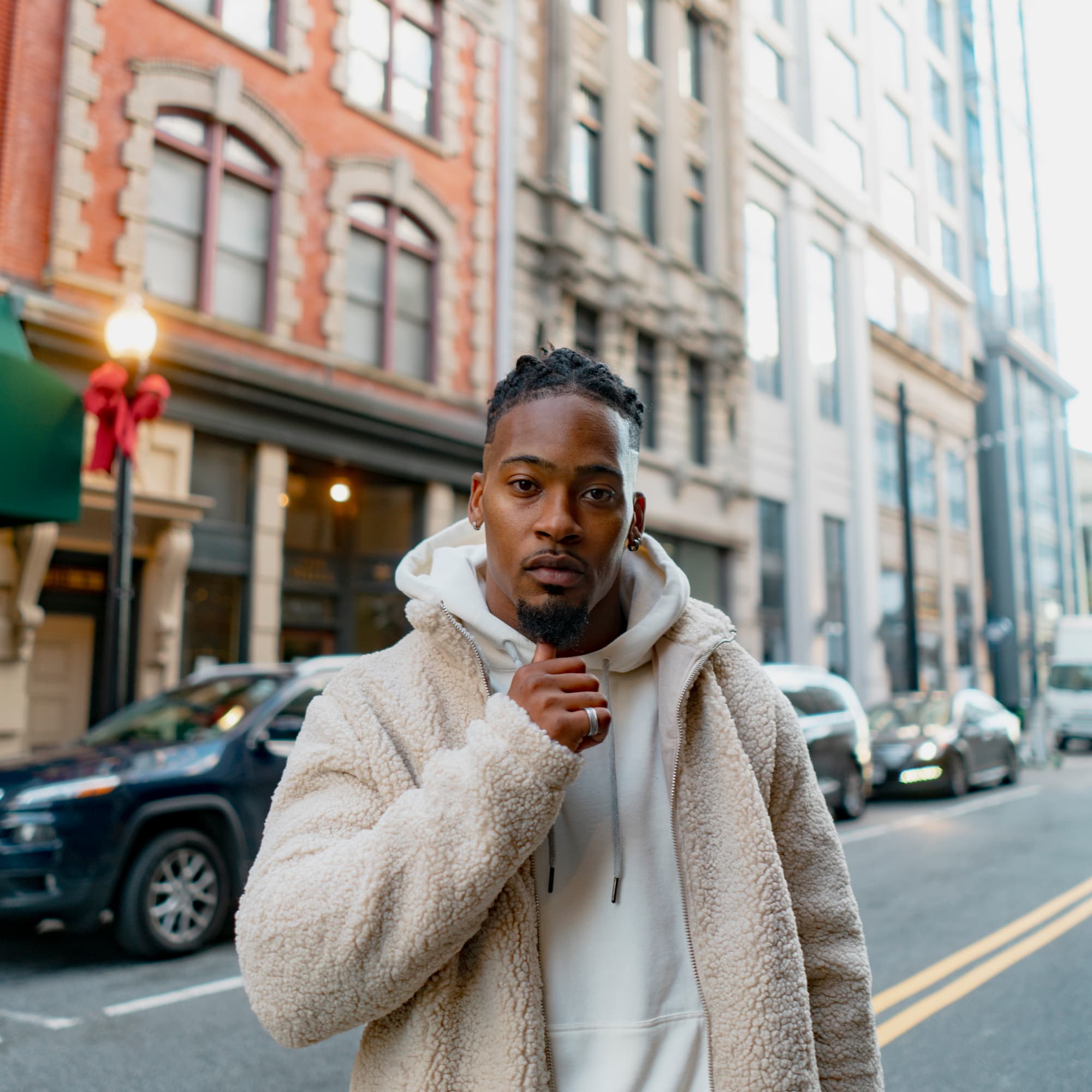
We connected with photographer and experiential artist Trevor Wentt to talk about process, presence, and the kind of creativity that grows through practice.
With a background in photography and theological studies, and over a decade of visual work, including projects with Nike, Google, Meta, and YouTube, Trevor approaches storytelling with humility and intention. His imagery leans into honesty, celebrating identity, community, and the beauty found in the unfinished and imperfect.

Do you have a favorite project or image in your collection? What’s the story?
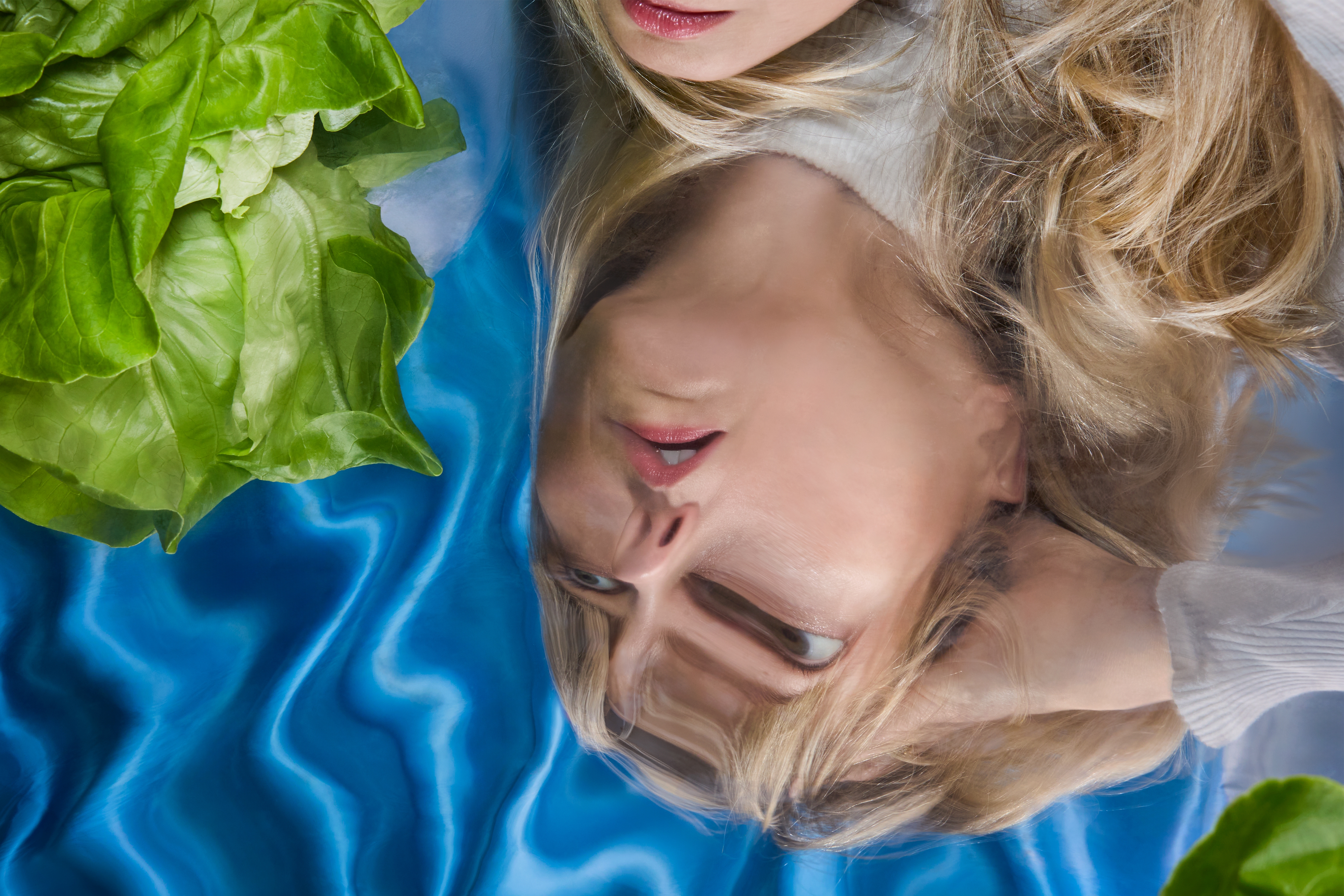
There’s a self-portrait silhouette of me holding a glass of wine in warm light, that I’m fond of. I bought a couple of Leko lights recently to have on hand for smaller scale production and wanted to test them out. Stocksy had asked for imagery of wine in urban environments, and my apartment fits that vibe well, so I pressed into it and experimented for a bit. The light, shadow, shape, colour, layers, and texture all speak to me.
Is there a particular series, project, or artwork that felt like a turning point in your career?
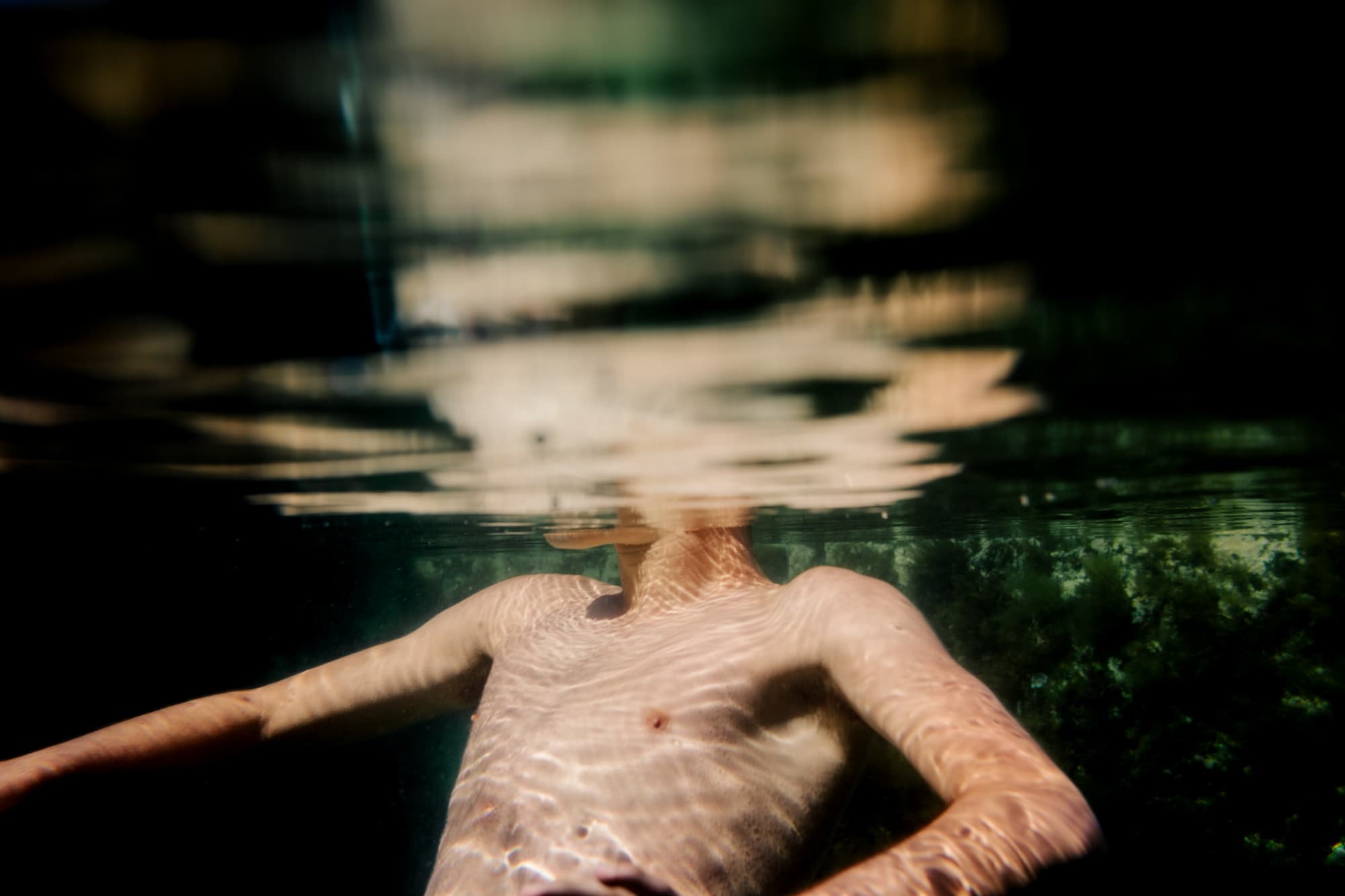
From my artwork as a whole, this image: my artistic mission statement is that I make art to challenge perspectives and give hope to the marginalized & oppressed. But I found that mission statement not long before I created this self-portrait. It was the first step in living out who I was, beginning to feel called to be.
When you’re creating visuals for Stocksy, do you approach it differently than your personal or client projects?
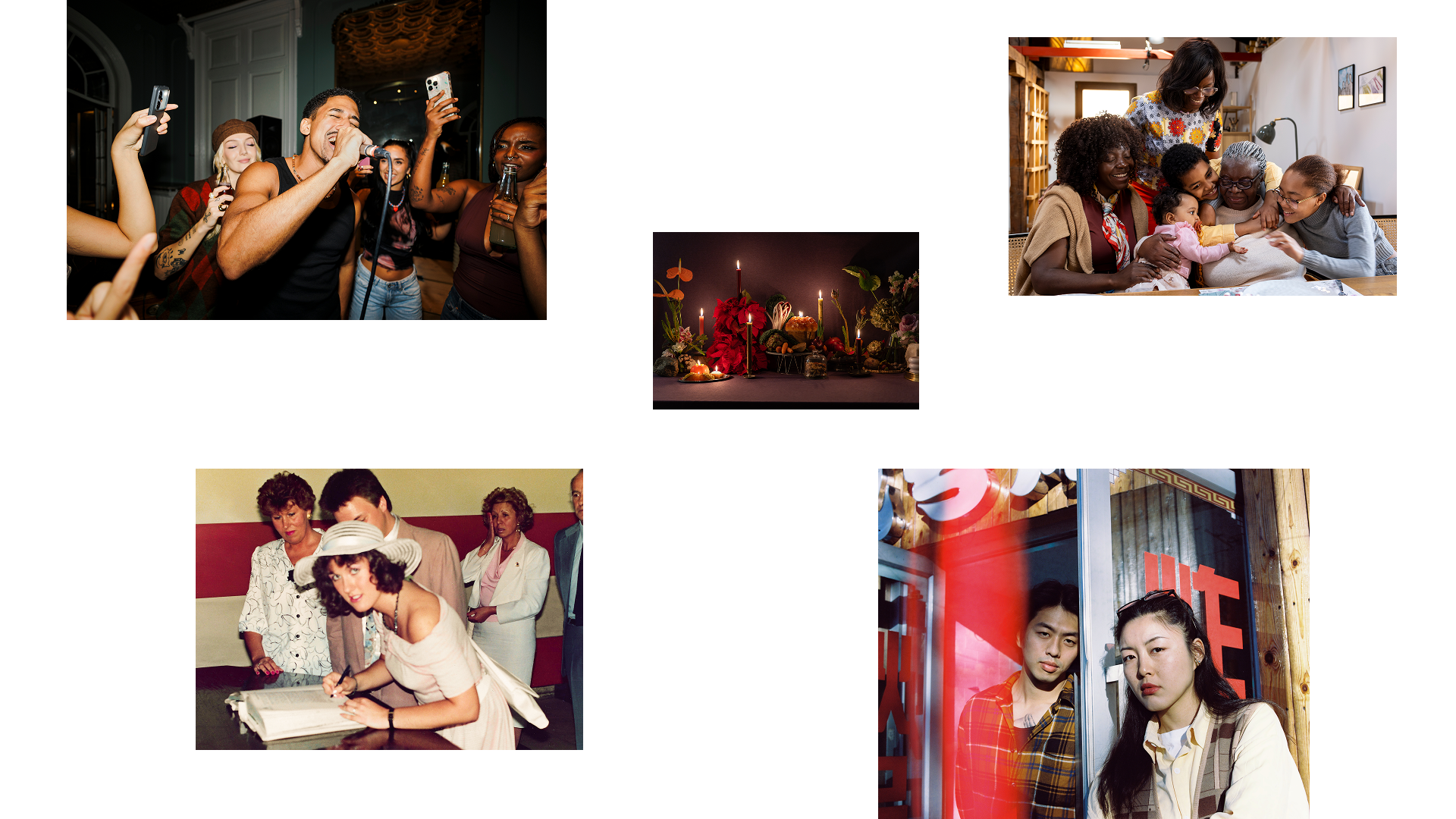
I do. I utilize Stocksy as a space for experimentation and practice. I wrestled up through college, and practice was daily, often multiple times per day. You may not have been competing that day, but you were still showing up to train, learn, try new things, and improve. That’s how I see my work on Stocksy. I show up to practice, try new lighting styles, genres, compositions, or direction I may try when building out a body of work or executing a client brief.
My personal work is primarily focused upon creating cohesive bodies of work. It’s labour-intensive, involves an extensive amount of time and intention, and driving home a particular concept. Creating work for Stocksy allows me to try things that don’t fit into the framework of how I create my personal projects.
How much of your work is made with a commercial mindset, and how much is art for art’s sake?
Art leads the way every time I pick up a camera, regardless of the circumstance. It’s never about selling a product, it’s about embodying a feeling. Whether it’s commercial work, personal projects, or client requests here on Stocksy, artistic integrity leads the way.
How do you see your medium (photography, 3D, illustration, animation) fitting into digital media and advertising right now?
The world is becoming increasingly in need of the visual arts for digital media and advertising. This cultural infatuation with generative AI is a clear indication of this fact. There’s high demand, but companies want to cheapen costs and increase ROI. But the reality is that the magic, the soul, the feeling, that comes from real artists making real art and incorporating that into a campaign, or website, streaming service, etc., simply hits different. The landscape is challenging right now, but my first photography professor once taught me that boundaries build creativity. Those of us who can make art that is undeniable, human, and infectious will endure this season.
Where do you think the industry is going in terms of visuals? Are there trends you’re excited about — or tired of?
I’m excited to see the surge of the human, the imperfect, the magic of analog, and those pieces of the visual artistry surge through this season within the creative industry. The more the AI push happens (which I’m beyond tired of), the more I think that people will hunger for the authentic, tangible, and real. I’m hype for that.
Visual stock media has evolved a lot over the years. What do you think makes an image feel fresh and relevant now?
Relevance comes from realness. Especially as people’s worlds have become increasingly visually stimulated by the digital world, believability is crucial. It’s like a film. You know that the actor is playing a role. You know that it’s not real, but you’re waiting to see how well they can make you forget that. Can they make you laugh? Can they make you cry? Do you feel like you know them? Whether fact or fiction, the imagery must feel real. It has to connect.
Are there certain themes or emotions you find yourself returning to in your work?
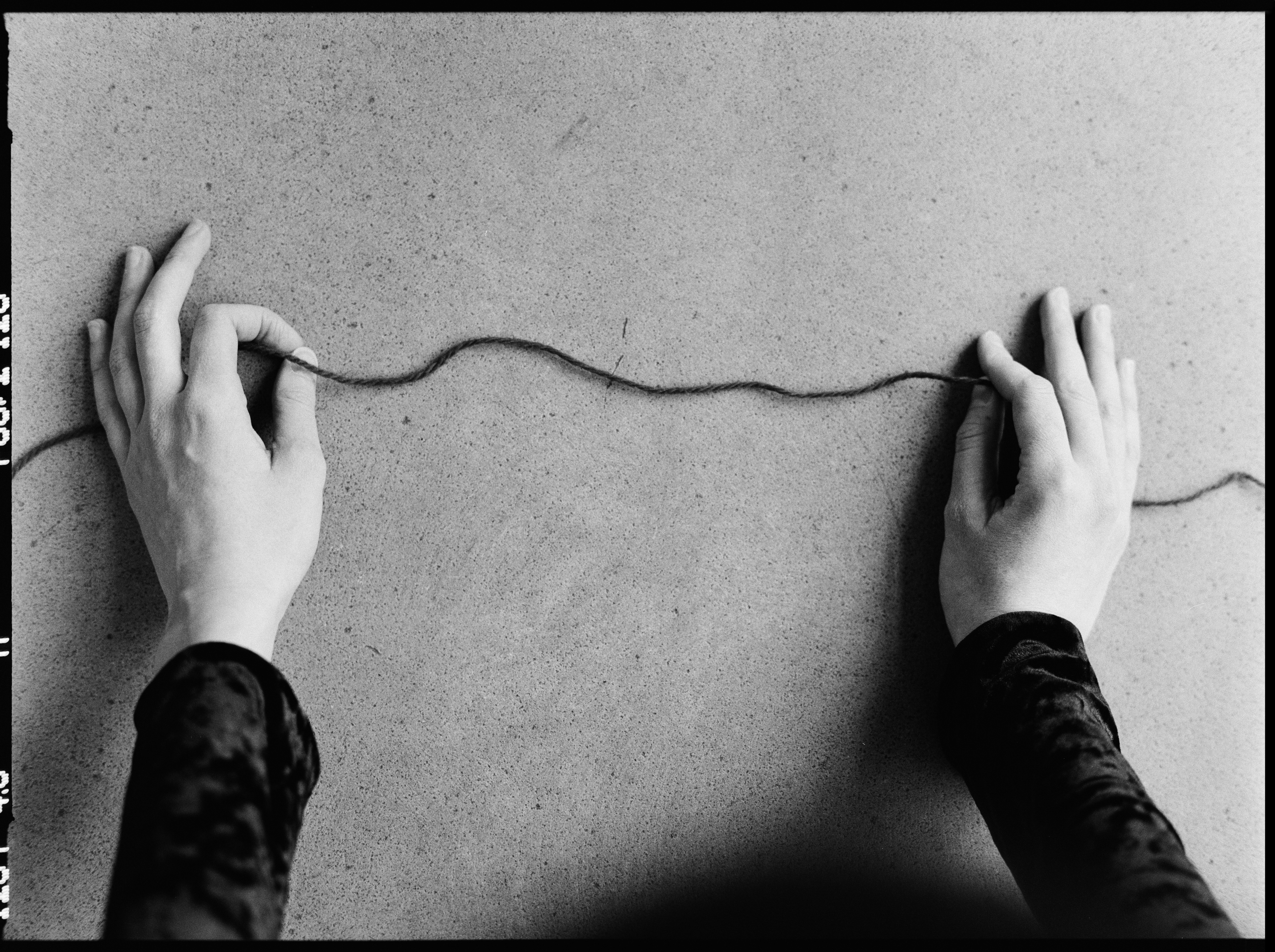
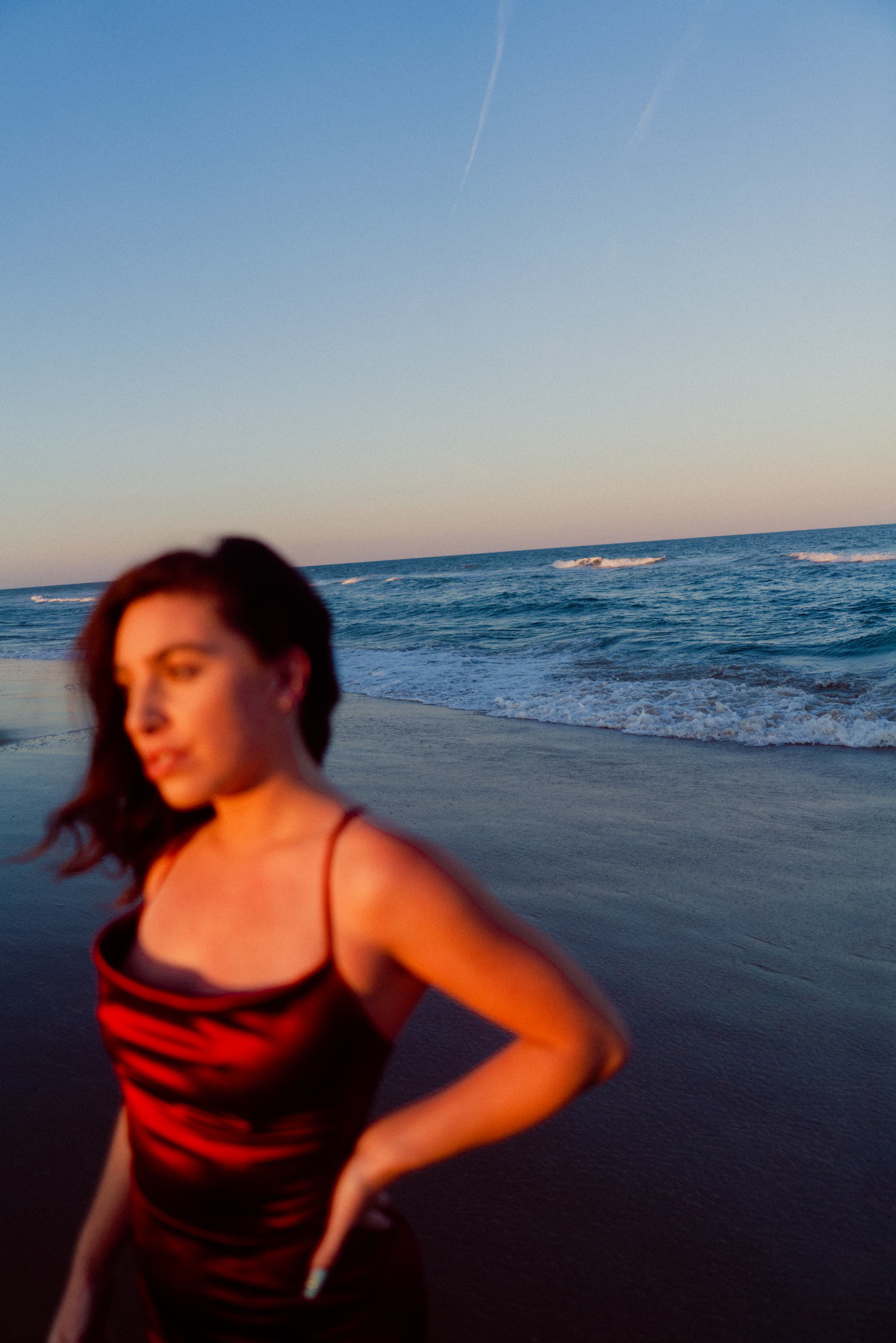
My core is always focused upon making art to challenge perspectives and empowering marginalized & oppressed peoples, so justice, Black dignity, and solidarity through collective struggle are themes that constantly break into the heart of my work. I’m also always coming back to making things that are perfectly imperfect. I love grain, light leaks, film borders, the technically “wrong” yet “it still works” type of imagery. It’s a metaphor for life to me.
If you could create anything, with no limits — budget, logistics, time — what would you make?
I have a few projects in the clip that I’m working towards, but I’d create and tour art experiences connected to bodies of work that are focused upon my mission to make art to challenge perspectives and give hope to the marginalized & oppressed. The way that I envision that is creative multimedia art experiences that take you through a narrative, a story, a feeling, a moment. They invite you into that world that was built, and offer you the opportunity to engage, and leave challenged or changed. They may include photography, prose, poetry, music, film, performance art, etc., but the core message will drive the direction of the artwork.
What keeps you excited about making new work?
Making things that are meaningful. Things that are both extensions of myself and my experience, as well as things that are bigger than myself. If it’s not meaningful, I don’t want it.
Discover more of Trevor Wentt's work