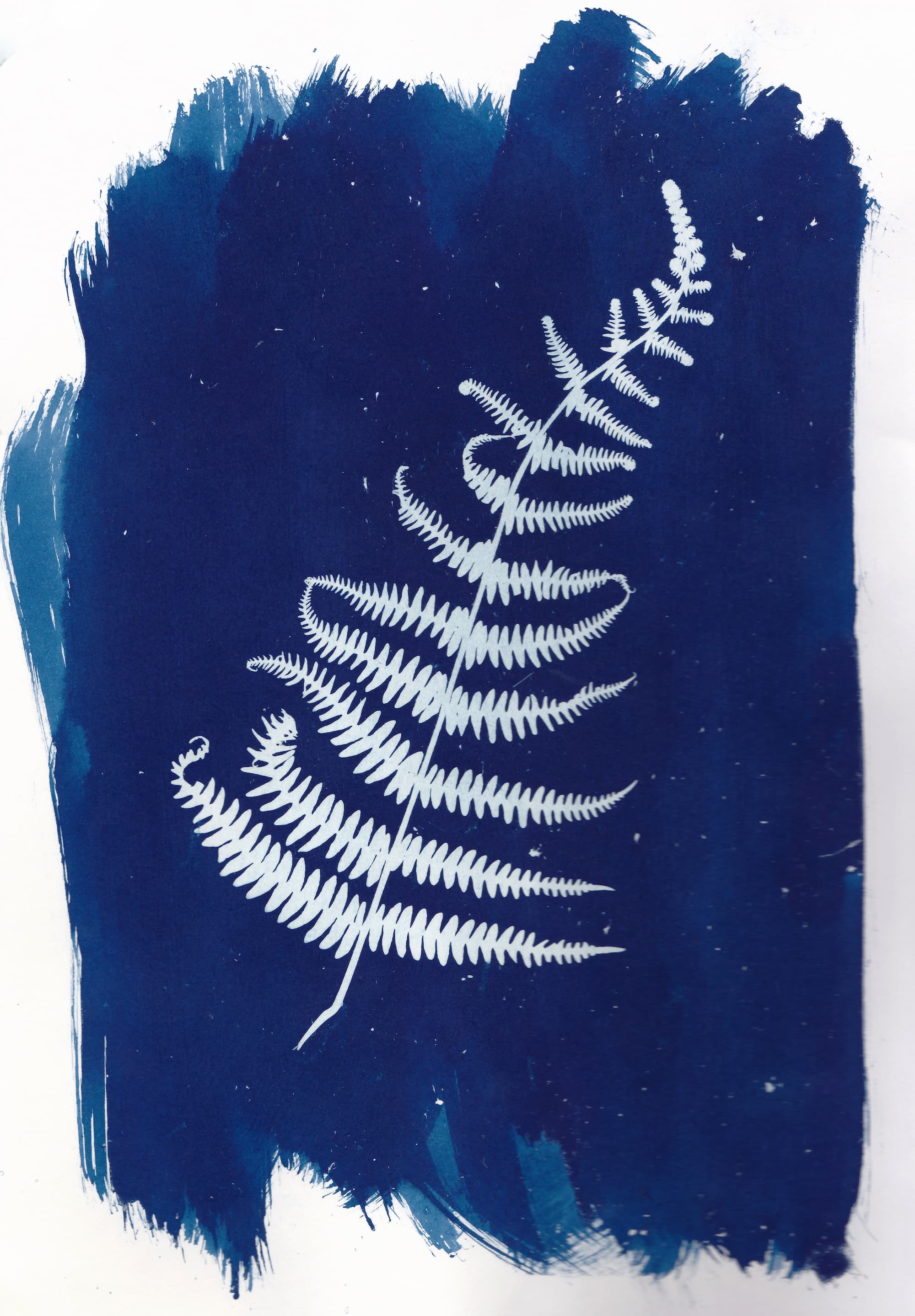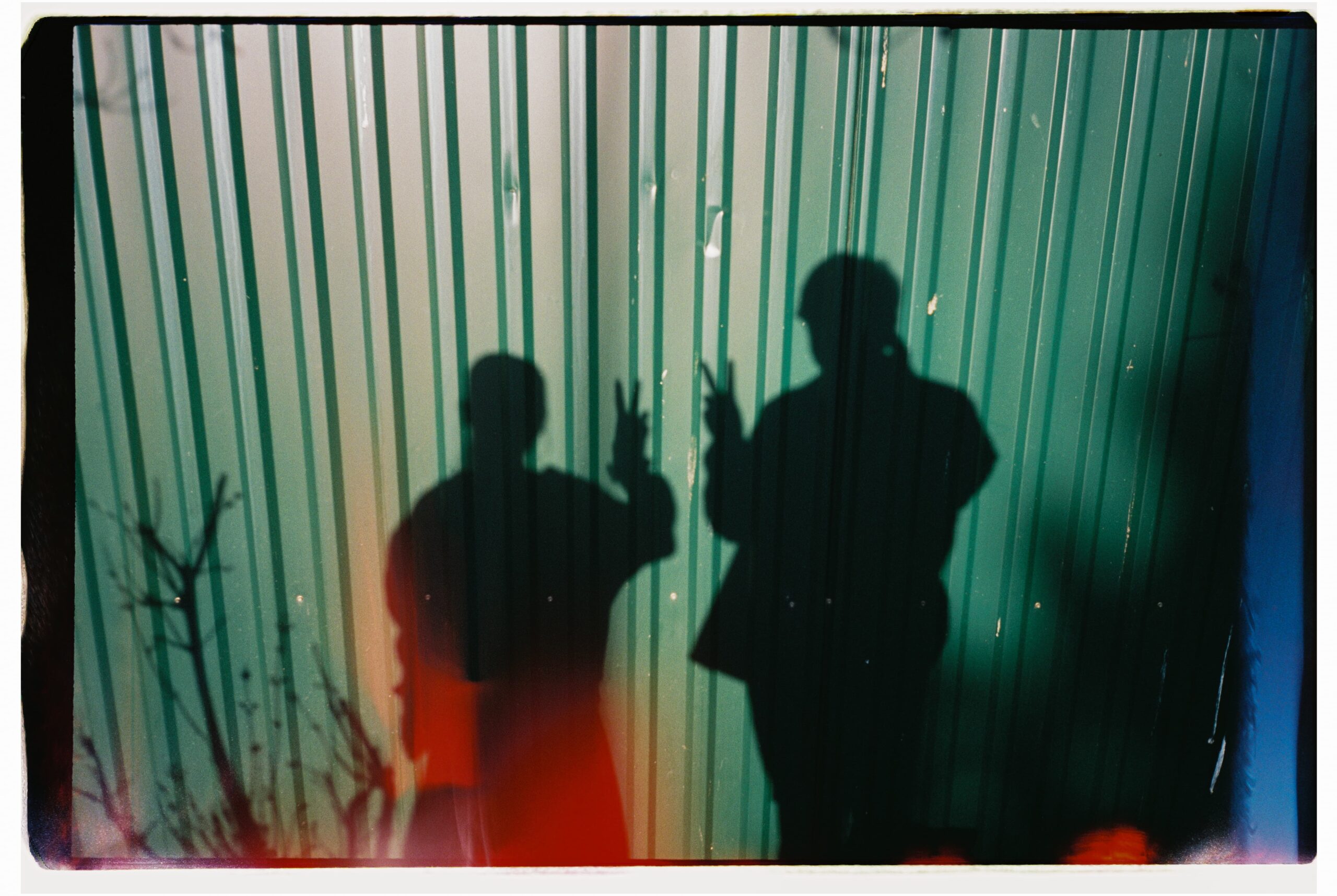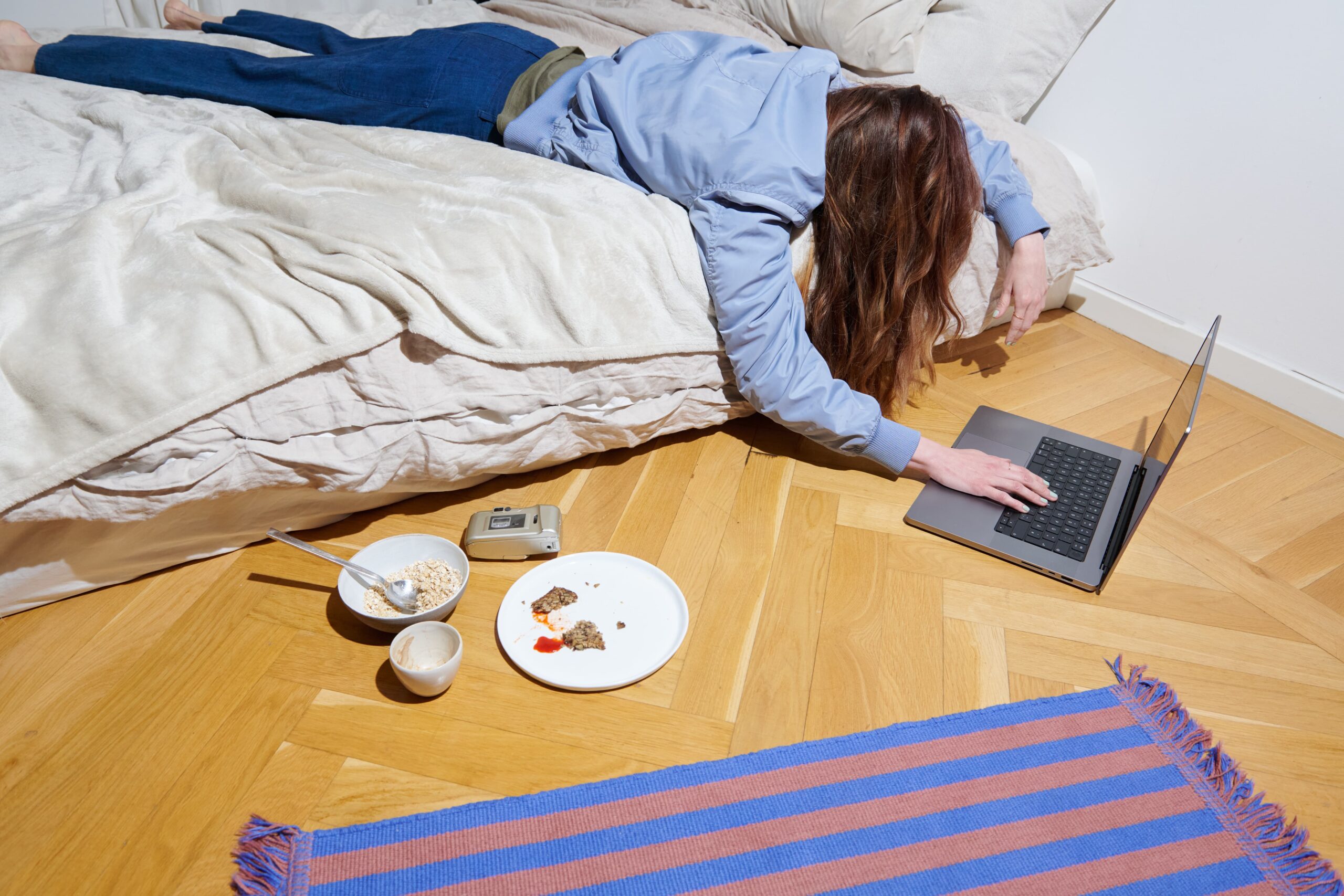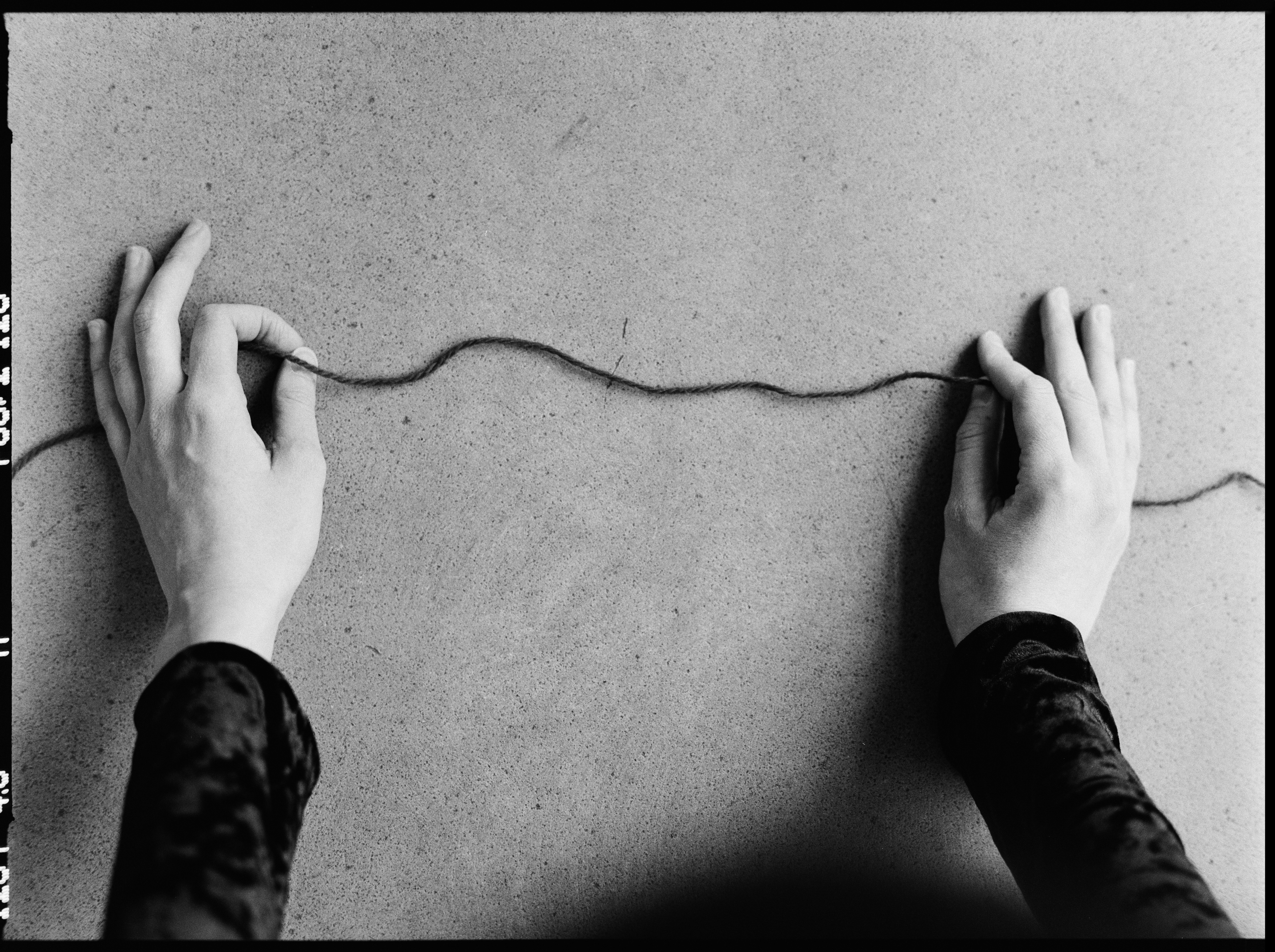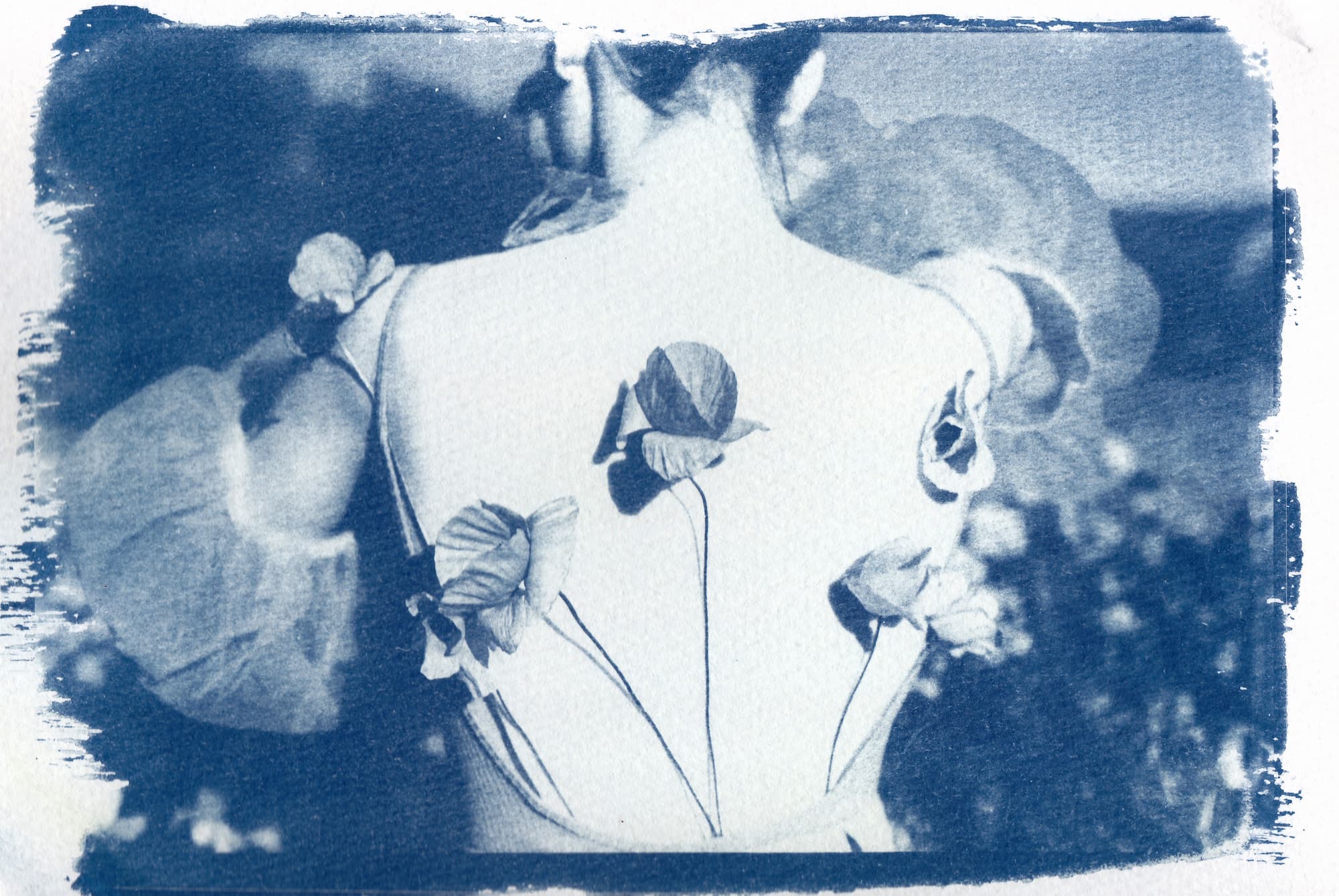
In this edition of “Backstories,” we go behind the scenes with Tania Cervian to explore the hands-on process, creative experimentation, and quiet magic of cyanotype.
Words from Tania Cervian:
I discovered the cyanotype technique several years ago, reading about the history of photography and about Anna Atkins, considered the first female photographer in history. She was a botanist and used this technique to create a visual record of seaweed. Those blue images, so delicate and precise, were simultaneously scientific and poetic. I was fascinated by the idea that a 19th-century woman, driven by curiosity and a love of nature, would use photography not only as a document, but also as an art form.
From then on, I became incredibly curious about this technique. So, when I saw a cyanotype course being offered in my city, I didn’t hesitate for a second and signed up. And there I discovered magic… or chemistry, depending on who you ask. Although, honestly, I believe chemical processes also have something deeply magical about them: that alchemy between materials, light, and time that transforms something invisible into an image.
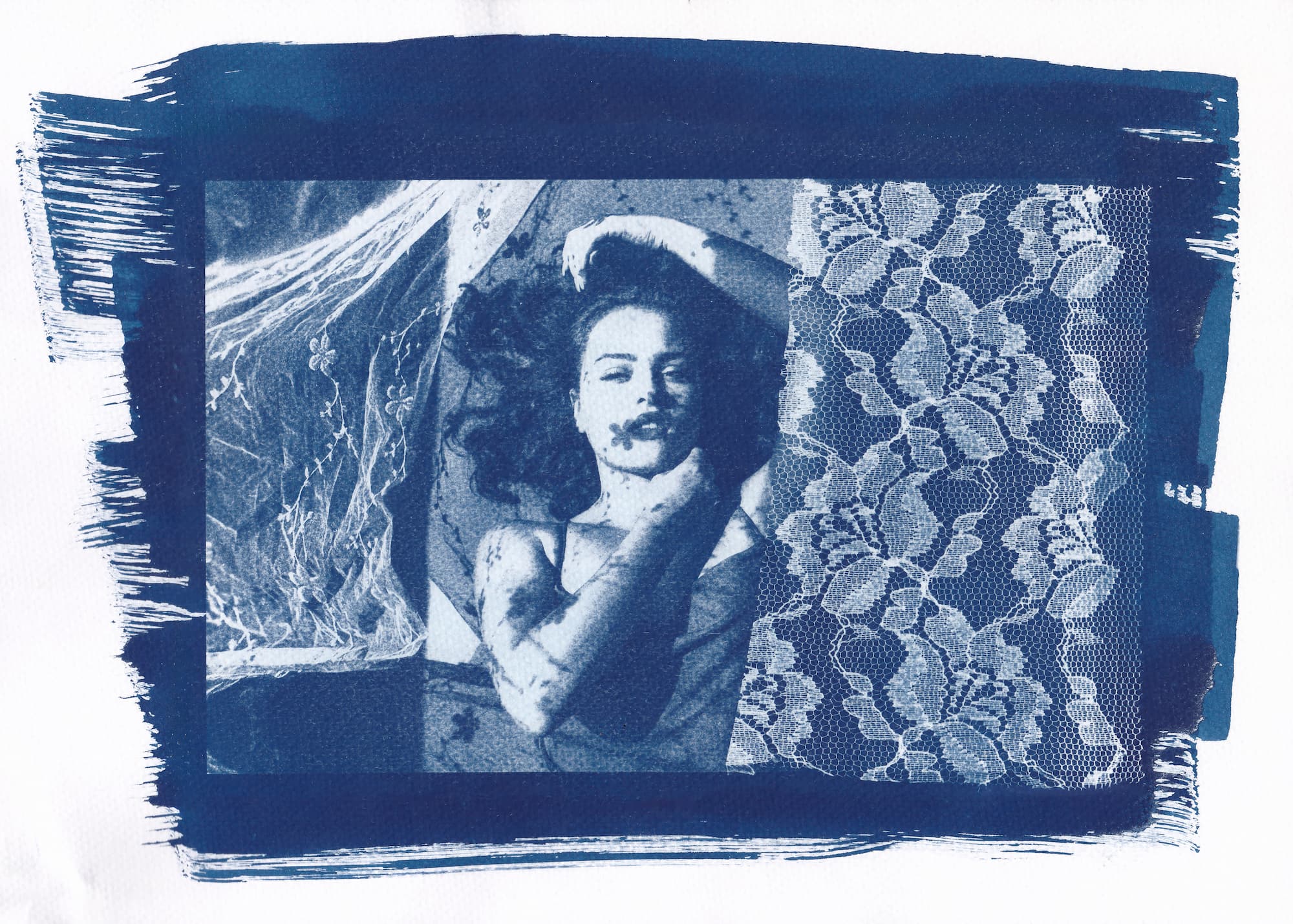
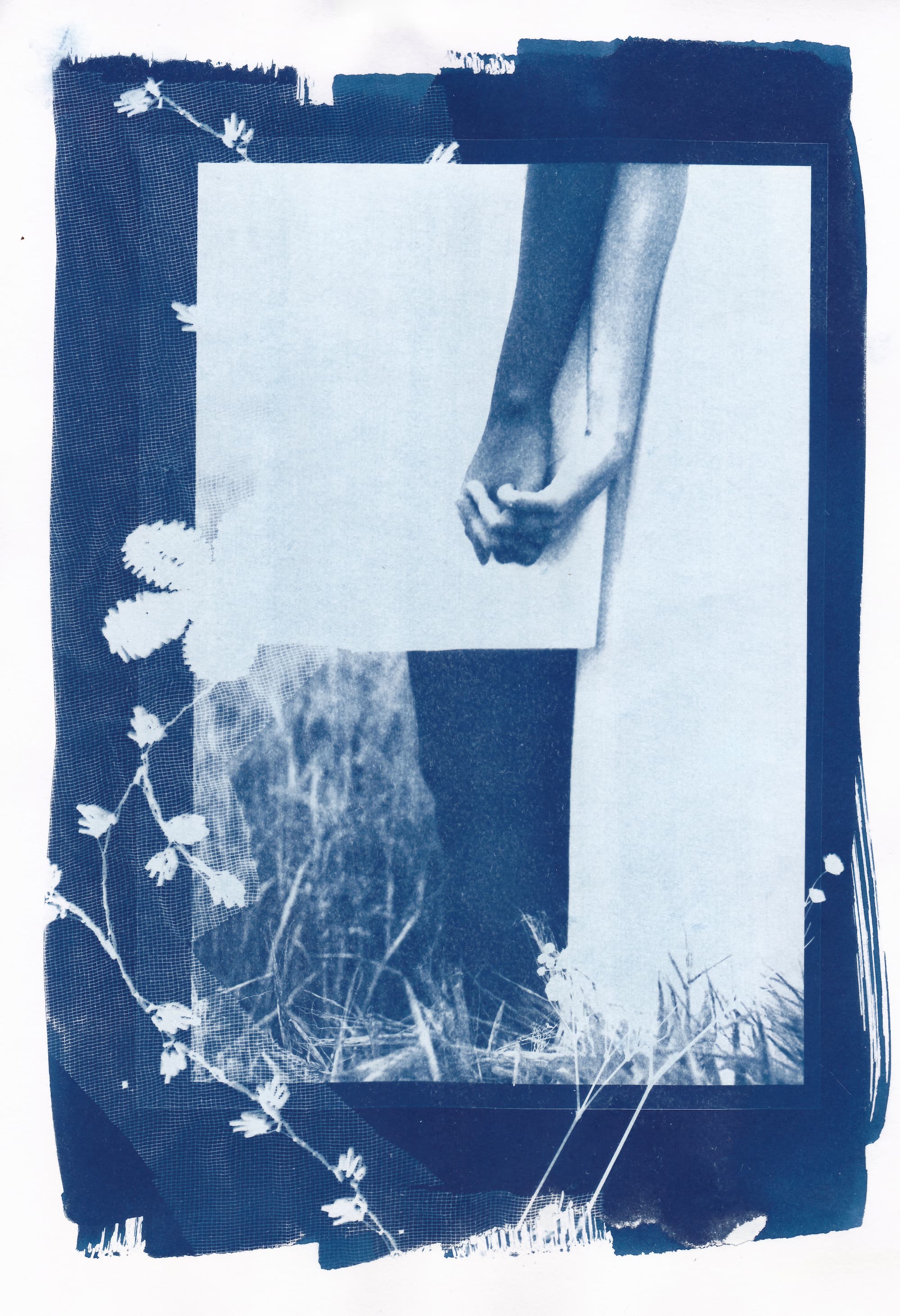
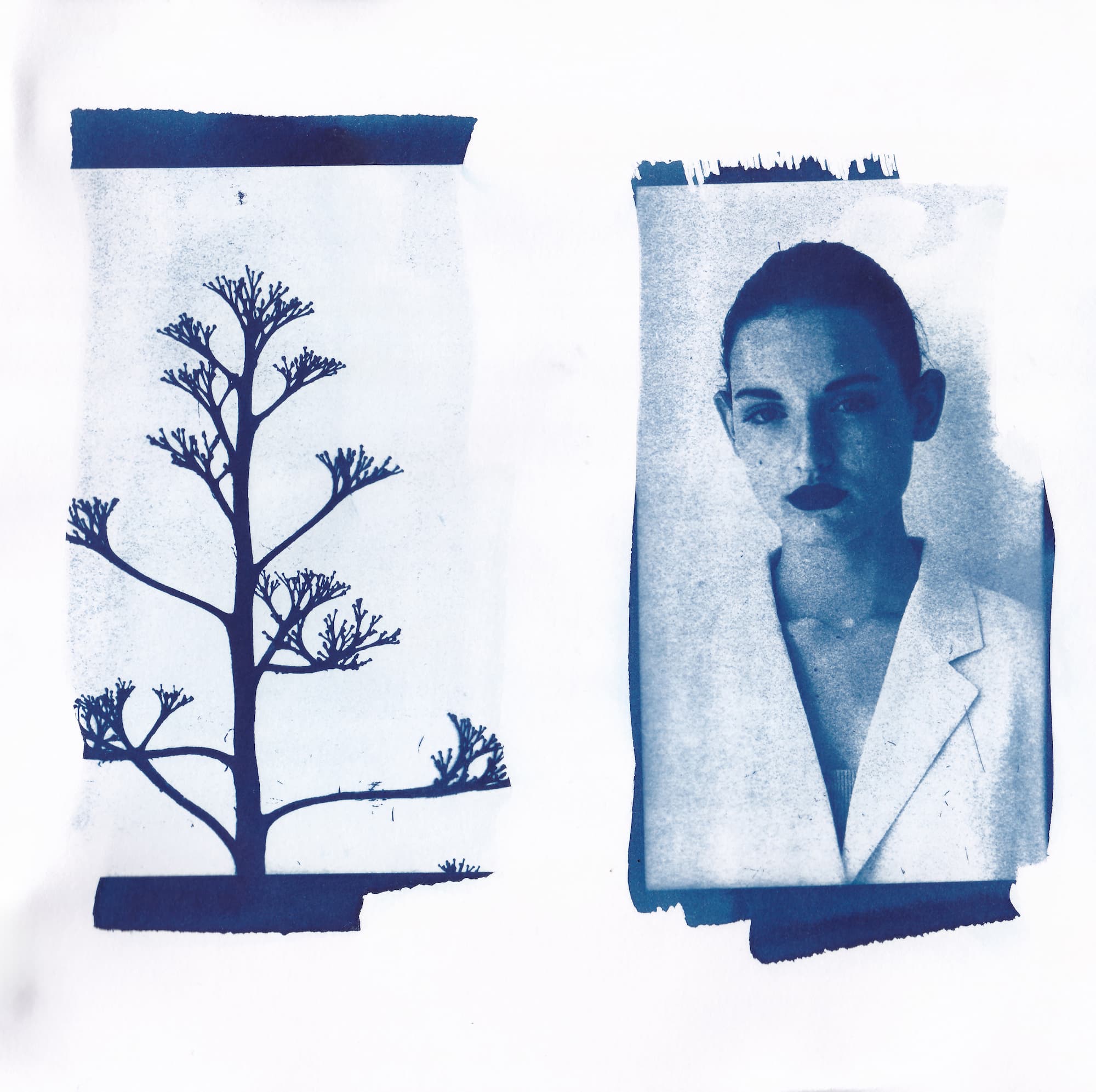
The technique itself is simple, almost domestic. Only two chemicals are needed, which are mixed separately with water. The exact formula can easily be found online, but the interesting part comes later. When the two mixtures are combined, the result is used to paint watercolor papers. The part impregnated with the chemical becomes a photosensitive surface. This is where the creative play begins: there’s no one way to do it. You can cover the entire sheet, leave unpainted edges, create shapes, ovals, diptych compositions, etc.
When the paper dries, my favorite part begins: mounting the future cyanotype. I like to experiment with different materials: dried plants, textured fabrics, light-distorting glass, and even some of my photographs printed on transparent paper. By combining everything in a glass frame and placing it in the sun, the natural development process begins. Depending on the time of day and light intensity, the exposure can last between 10 and 20 minutes.
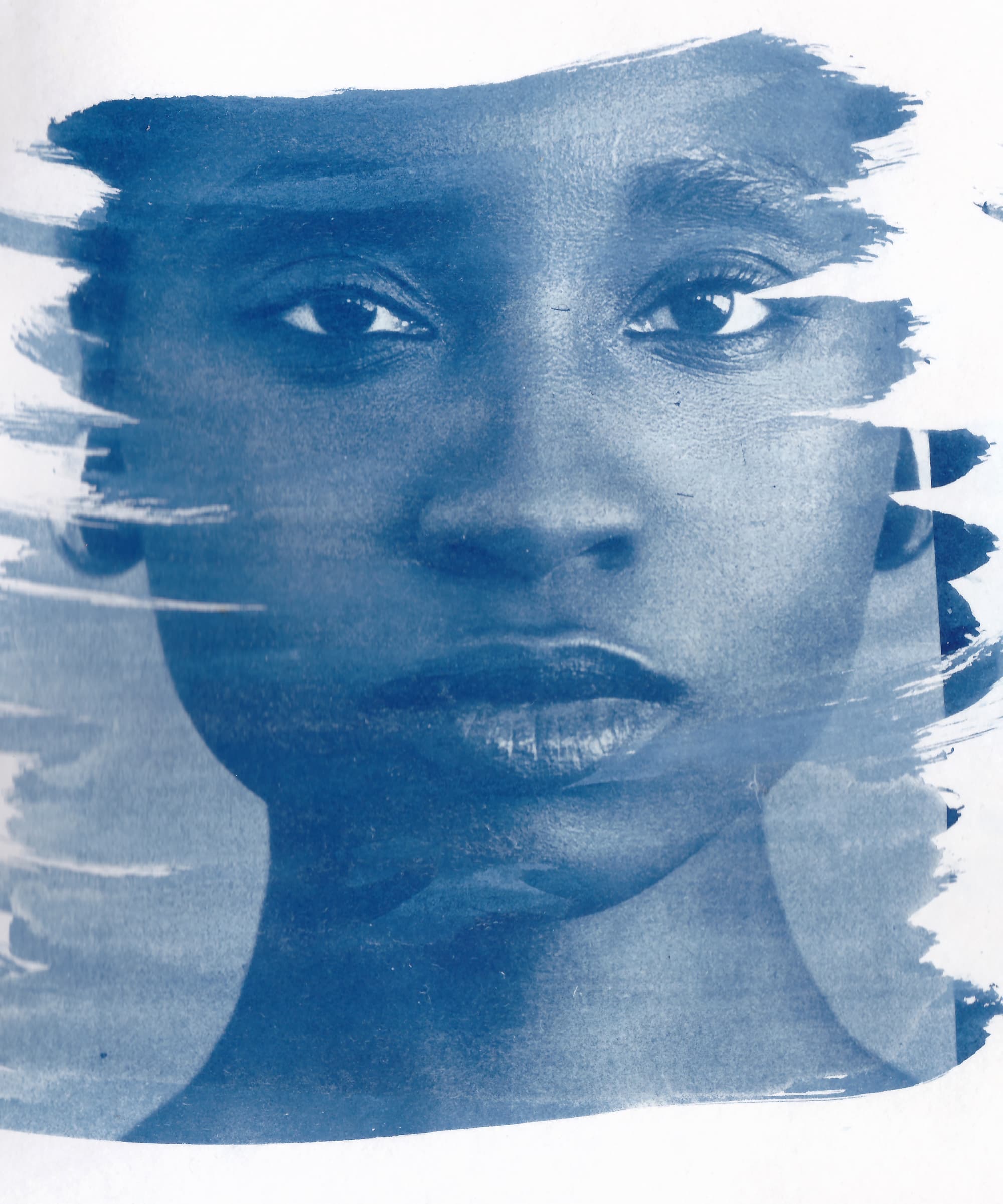
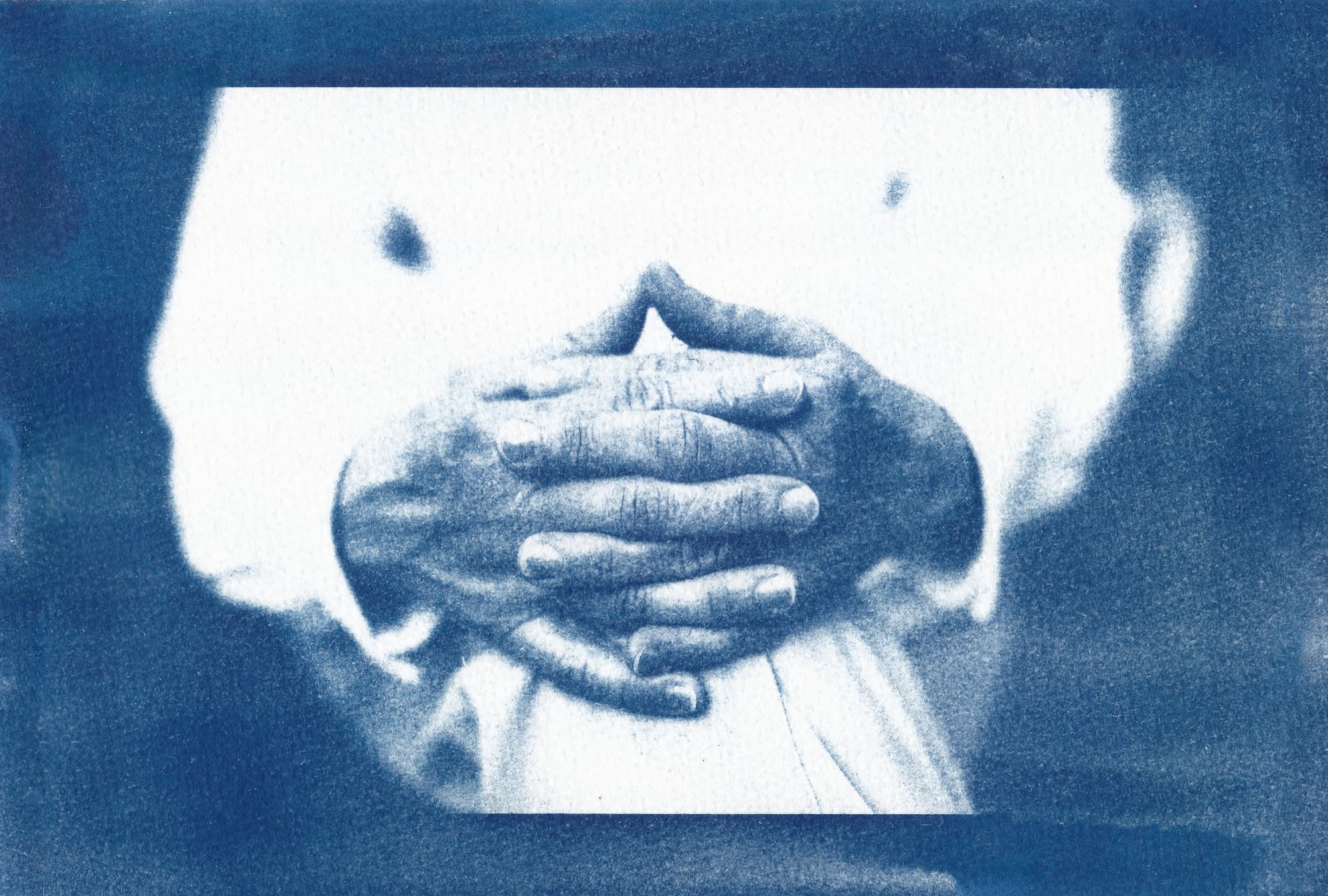
Then comes the most exciting moment: placing the paper in a bucket of water and watching how, little by little, the image appears in that characteristic blue hue of cyanotypes. There’s something hypnotic about that moment. If you add a little hydrogen peroxide, the color becomes more intense, almost electric. Watching the image emerge is a small ritual, a slow revelation that never ceases to amaze me. It’s a sensation very similar to that of a traditional photo lab, but here everything happens with sunlight and water, without any other artifice.
Making cyanotypes connects me with my purest inspiration. Thinking about how to paint the papers, deciding whether to mix plants with photos or cut out fragments to layer them… it’s a process that anchors me to the present. It’s manual, tactile, without screens or haste, and therefore also deeply therapeutic. There’s enormous satisfaction in creating with your hands, in observing how light and time do their work while you simply wait.
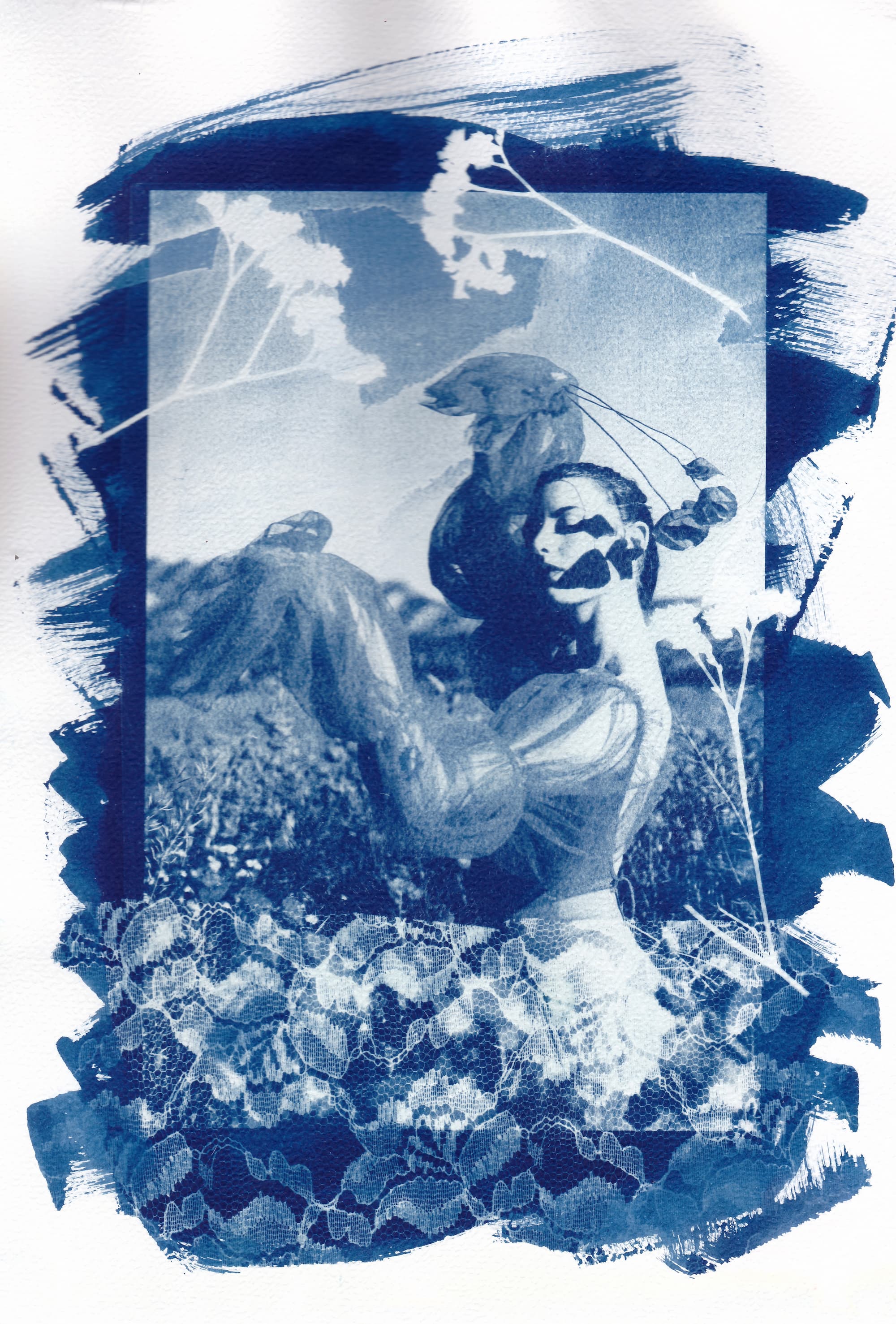
In the midst of the digital age and artificial intelligence, working again with light, water, and chemicals reconciles me with the essence of photography. It reminds me that, before pixels, photography was about time, matter, and patience. That beauty can be born from a slow process and an unexpected error. And that there’s something very valuable in getting your hands dirty, waiting for the sun, and letting the image appear on its own.
Cyanotype connects me to the root of why I started taking photographs: out of pure curiosity, for the pleasure of looking, for the thrill of creating. And every time I see that blue appear, I think of Anna Atkins, her seaweed, and all the women who, like her, made art through experimentation, intuition, and light.
About the Series
“Backstories” looks at the passion and process behind standout work in our collection. In each edition, Stocksy’s curators spotlight one artist and the ideas that shape their work.
Explore more of Tania Cervian's work