In a world where AI can generate convincing visuals in seconds, the importance of visual content has fundamentally shifted. Images no longer just need to look good — they need to feel true. This article explores why authentic, real photography builds stronger brand trust than AI-generated imagery, how to measure the impact of your visual choices, and what best practices look like for businesses and artists navigating this new landscape.
How Authentic Visual Content Enhances Trust
Think about the moment on Is It Cake? when the judges stare at an object trying to decide if it’s real or not. That’s increasingly how consumers approach the visuals they see online. Once people know something might be fabricated, trust erodes — and with AI-generated imagery now indistinguishable from photography at first glance, the importance of visual content has taken on a new dimension.
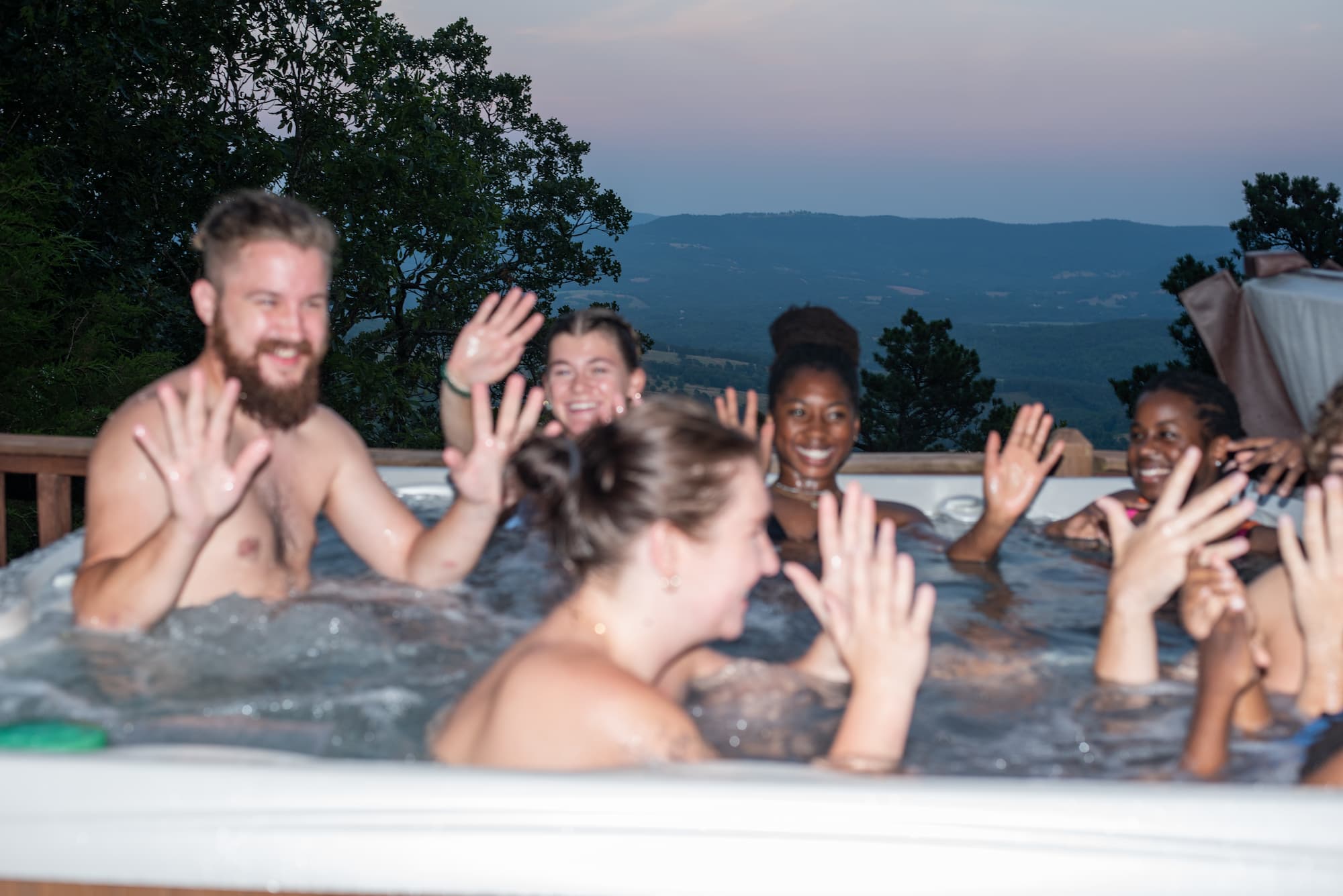
Real images communicate something generated visuals cannot: they happened. They carry traces of real environments, real light, and real human presence. When audiences see genuine photography, they’re not just processing aesthetics — they’re receiving a signal that a brand exists in the real world, has real values, and has something honest to say. Understanding the importance of visual content today means understanding that images now function as trust signals, not just decoration.
In contrast, AI-generated imagery — however polished — constructs moments that never existed. For brands aiming to build lasting credibility, that distinction matters more than ever.
Types of Visual Content
Images and Photography
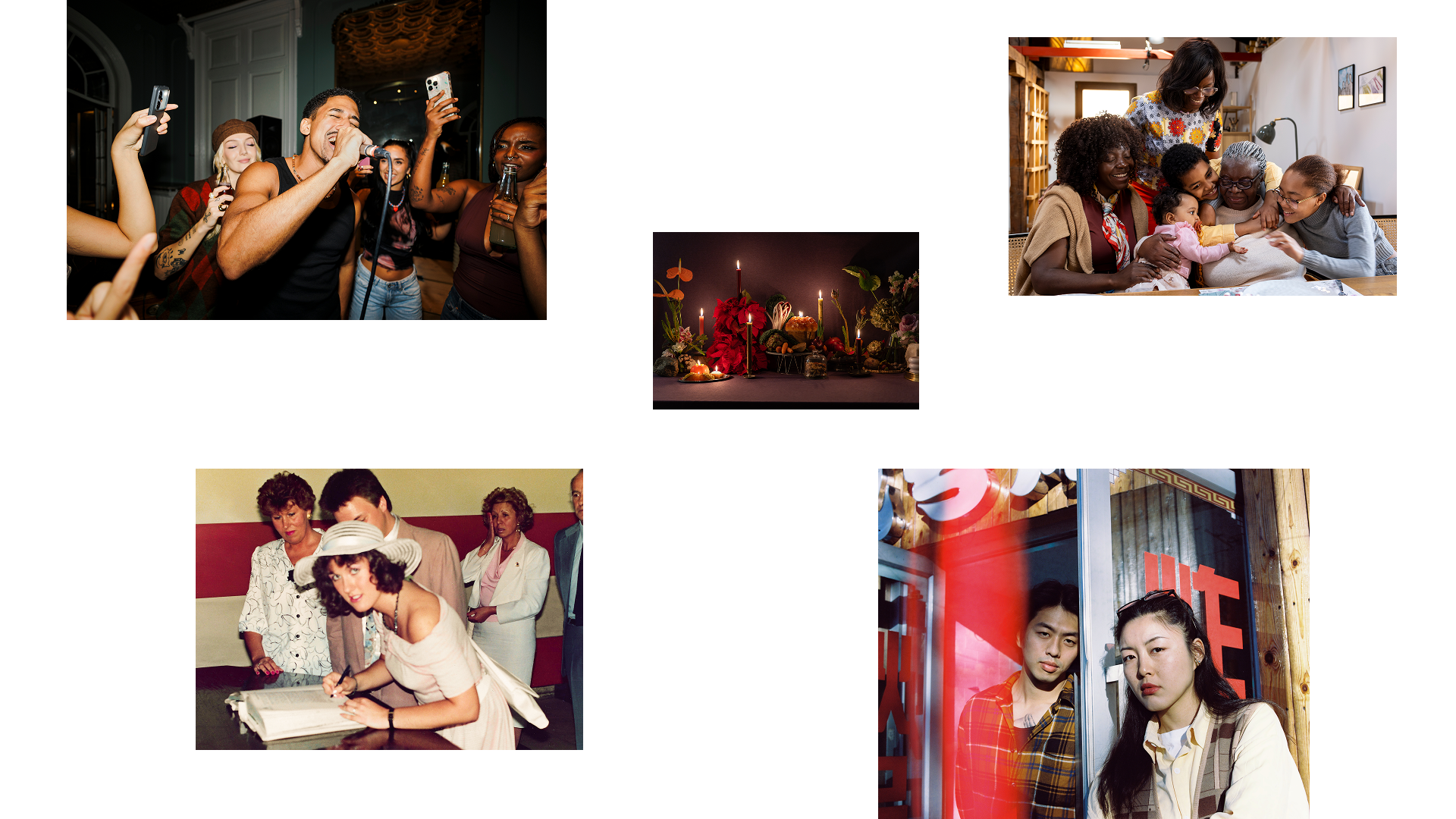
Photography remains the most versatile and trusted form of visual content. From editorial and lifestyle imagery to product and documentary photography, real photos ground a brand in the physical world. Stock photography — particularly from artist-owned platforms — bridges the gap between affordability and authenticity, offering genuine moments captured by real photographers rather than rendered by algorithms.
Video and Motion
Video amplifies authenticity. A 30-second clip of a real person in a real space communicates warmth, context, and credibility that static images can only approximate. For brands exploring the ai vs real photos debate, video adds another layer: authentic motion is even harder to fake convincingly, making real footage an especially powerful trust signal.
Illustrations
Illustrations occupy a distinct space — they are openly constructed, which means audiences don’t read them as documentary truth. When used alongside real photography, illustration can add personality and clarity without undermining the brand’s credibility. The risk comes when brands substitute AI-generated visuals for authentic photography and expect the same trust response.
Measuring the Impact of Real Photos vs AI
The debate around ai vs real photos is not just philosophical — it has measurable commercial consequences. Research consistently shows that images featuring real people in authentic contexts outperform staged or synthetic visuals across engagement, conversion, and brand recall metrics.
| Metric | Real Photography | AI-Generated Imagery |
| Perceived authenticity | High | Low to moderate |
| Emotional resonance | Strong | Often flat or uncanny |
| Brand trust signal | High | Increasingly questioned |
| Audience connection | Deep | Superficial |
The comparison between AI image generation vs stock photos is particularly useful here. Stock photography captures moments from the real world — even when directed or composed — while AI generates moments that never existed. Both can serve creative purposes, but they carry very different signals about truth, presence, and brand intent.
Best Practices for Creating Trustworthy Visual Content
For Businesses
The importance of visual content is most clearly felt in how brands make decisions about imagery at scale. Best practice starts with intention: rather than filling pages with whatever looks polished, ask whether each image feels like something that could genuinely happen in your customer’s life.
- Prioritise real people in real contexts over synthetic perfection
- Build a consistent visual language across all channels — website, social, campaigns
- Use artist-created stock photography to access authentic moments without the cost of custom shoots
- Audit your existing imagery for AI-generated visuals that may be undermining trust
- Invest in visual storytelling that reflects your brand values, not just your product
For Artists
For creators, the AI photo vs real photo debate is also a professional opportunity. As AI imagery proliferates, the value of human-made photography rises — not despite imperfection, but because of it. Real artists bring context, empathy, and lived experience to their work that generative tools cannot replicate.
- Document the real — candid, environmental, emotionally honest work is in high demand
- Build relationships with platforms that value artist-owned content and fair compensation
- Lean into specificity: the particular moment, the real face, the genuine setting
Why Lifestyle Brands Still Choose Real Creators
The most sophisticated lifestyle brands haven’t abandoned real photography for AI — and there’s a clear reason why. Real emotions still outperform synthetic perfection. A genuine laugh, an unguarded glance, a hand that isn’t quite symmetrical — these details signal life in a way that renders cannot achieve.
“Perfect” AI images are becoming easier to identify, not harder. As audiences spend more time online, they develop an instinct for the uncanny: the too-smooth skin, the background that doesn’t quite make sense, the expression that’s technically correct but emotionally empty.
This is why imperfection makes images more powerful in the real vs AI photos conversation. Real photography doesn’t compete on flawlessness — it competes on truth. A slightly underexposed lifestyle shot of a real moment will consistently outperform a pixel-perfect AI render when it comes to emotional connection and brand trust.
The importance of visual content for lifestyle brands comes down to this: audiences are buying into a world, not just a product. That world needs to feel inhabited by real people with real lives. Artist-owned stock platforms like Stocksy exist precisely because there has always been demand for photography that feels genuine — and that demand is only growing as AI-generated content floods the visual landscape. Explore premium stock photos, stock footage, and illustrations that are created by real artists, for real impact.
Request Stocksy For Business Solutions
Whether you’re building a campaign, refreshing brand imagery, or looking for a consistent visual partner, Stocksy offers an alternative to the AI-generated aesthetic: authentic, artist-created photography and footage that your audience can feel. Request Stocksy for business solutions and discover what real imagery can do for your brand.
Frequently Asked Questions
Why is visual content important?
Visual content is important because it communicates faster and more emotionally than text, making it essential for brand recognition, audience engagement, and trust-building. In a landscape saturated with AI-generated imagery, the importance of visual content now extends beyond aesthetics — authentic visuals serve as credibility signals that distinguish real brands from fabricated ones.
What is the 5 5 5 rule on social media?
The 5 5 5 rule is a content approach where you spend five minutes creating content, five minutes engaging with others’ content, and five minutes responding to comments. While it’s a framework for time management on social platforms, the underlying principle — consistent, genuine engagement — applies directly to how brands should think about visual content: regular, authentic, and responsive rather than batch-produced and impersonal.
What are the 4 V’s of branding?
The 4 V’s of branding are Vision, Values, Voice, and Visuals. Together they form the foundation of a coherent brand identity. Visuals are arguably the most immediately perceived — they’re the first thing an audience encounters — which is why the choice between real photography and AI-generated imagery carries such significant implications for how a brand is trusted and remembered.
What is the most important factor for your visual content?
Authenticity. Regardless of format — photography, video, illustration — visual content that feels genuine to a real human experience will consistently outperform technically superior but emotionally hollow alternatives. As AI image generation vs stock photos becomes a more common decision point for brands, the most important question to ask of any visual is simple: does this feel true?