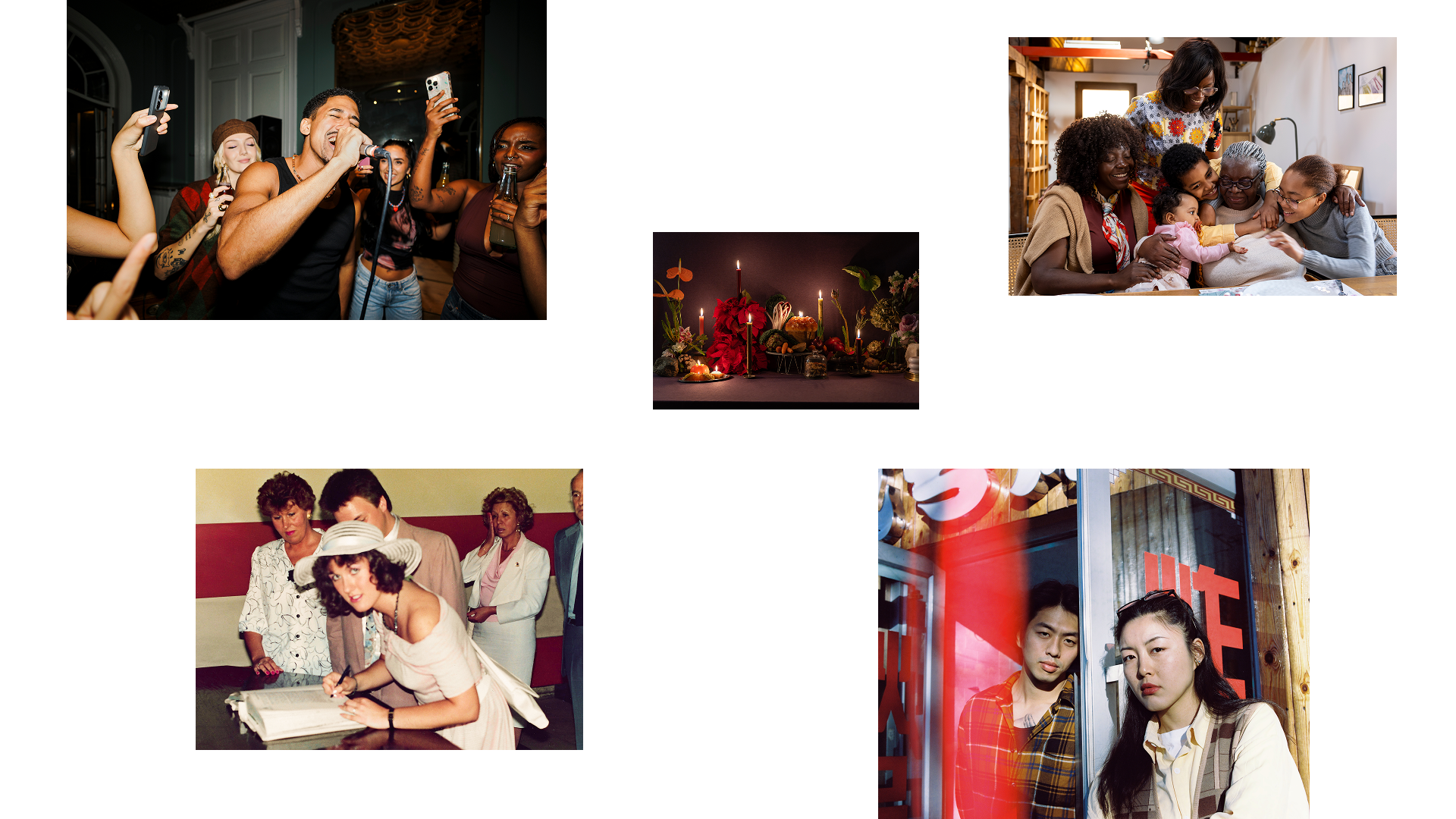
Basque artist Sergio Marcos on balancing art and commerce, navigating visual trends, staying curious, and why Stocksy feels like a space to blend intuition with intention.
Do you have a favorite project or image in your collection? What’s the story?
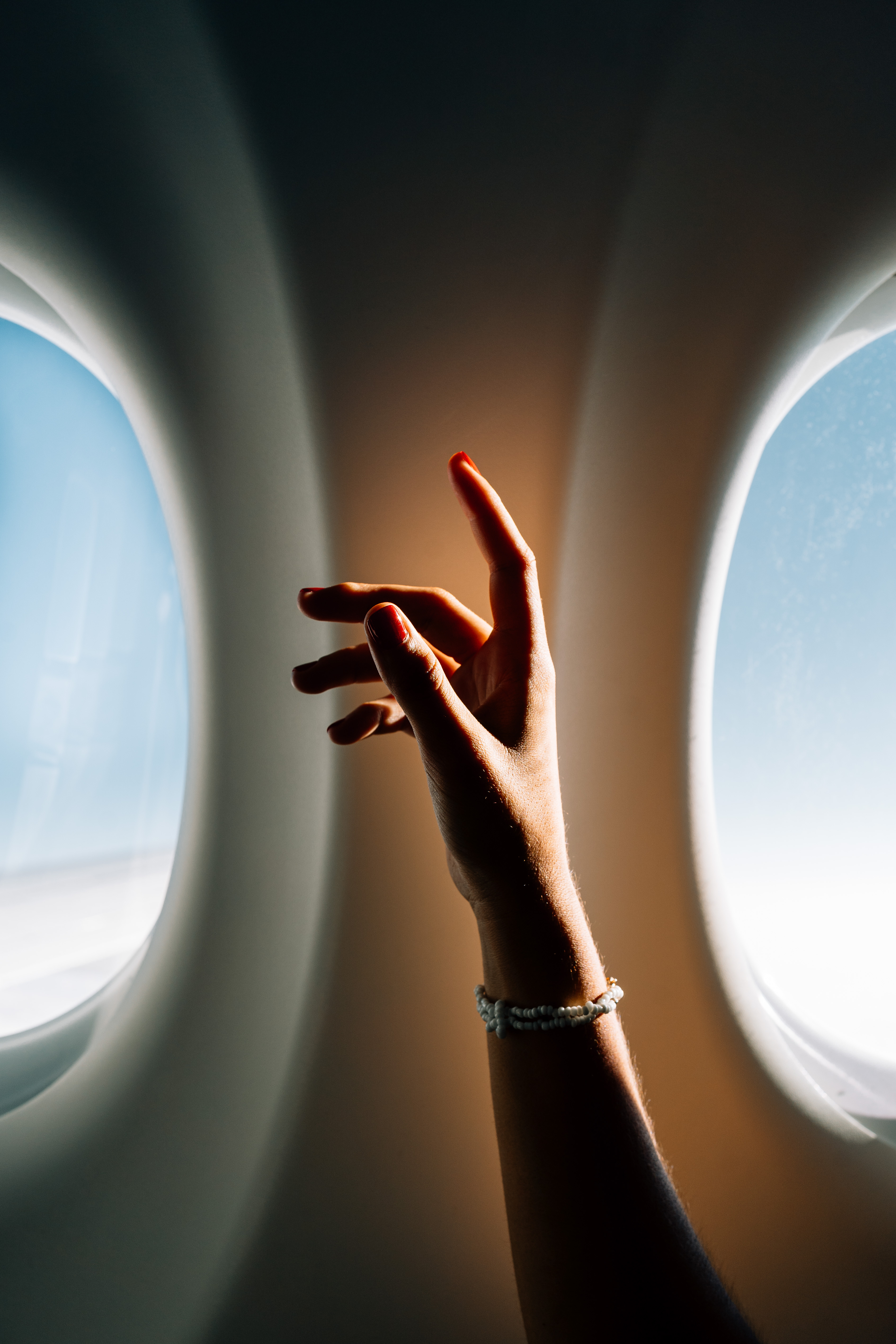
I think the picture of the hand pointing upwards in the plane. That image represents what I call the “curiosity thermometer.”
There are times in my life when I sit on a plane, close my eyes, and get stuck with my thoughts or the noise in my head. Other times, I am receptive, present, full of energy and curious to look around and feel inspired to create—the “curiosity thermometer” is pointing high. If I haven’t been curious for a while, I probably need to make some changes in my routine.

When you’re creating visuals for Stocksy, do you approach it differently than your personal or client projects?
When I joined Stocksy I started creating with a pure “stock photographer” mindset.
I would frame the scene and tell myself, “remember the copy space” or “get an anonymous crop frame.” I would follow these similar approaches every time.
It’s good to keep clients’ and designers’ needs in mind when producing for Stocksy, but I try to be more flexible about it now. I am more mindful of the style and mood of the images. I like to think about Stocksy as a place that gives me space to explore images that can feel intuitive and personal while still being commercial.
What is currently catching your eye in the Stocksy collection?
I think the Stocksy collection is full of visuals that feel spontaneous, imperfect, and honest—the kind of images that connect more deeply with people.
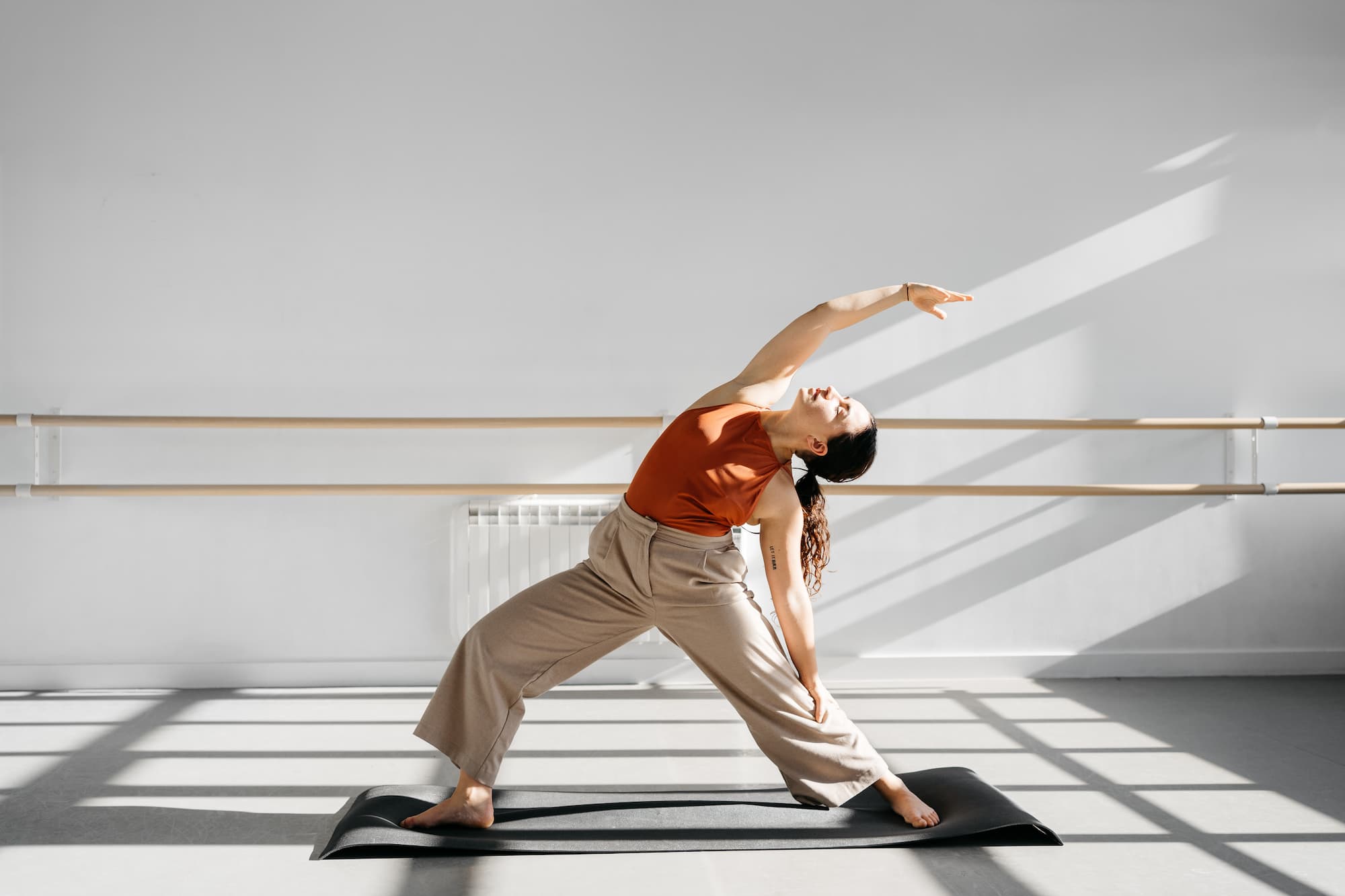
How much of your work is made with a commercial mindset, and how much is art for art’s sake?
I work as a full-time photographer and filmmaker, so a big percentage of my work has a commercial mindset. However, I try to keep a balance.
It’s important for me to keep creating for art’s sake, trust my gut, and have fun. I’ve found that this personal work often leads to more commercial work as well—especially the kind of commercial jobs I like the most.
Since I divide my time between client work, stock production, and personal projects, I’ve learned to switch mindsets, but I try to make sure all of them feed into each other creatively.
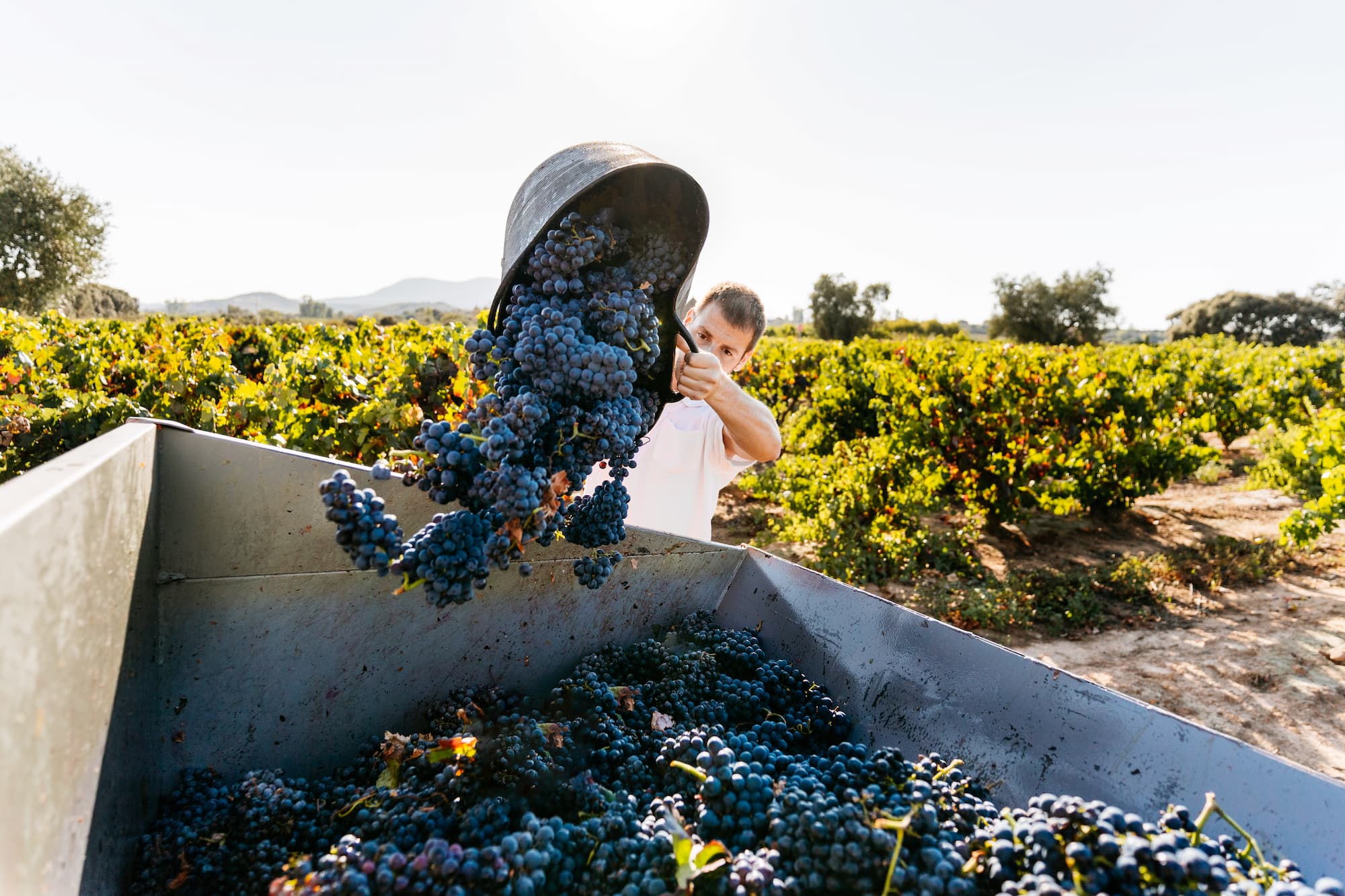
Where do you think the industry is going in terms of visuals? Are there trends you’re excited about, or tired of?
I find it funny to talk about where the industry is going next when I usually have the feeling that I arrived late to the party. When I discover something that feels new and exciting to me, I soon realize there are many people who have been doing it, sometimes for years.
I’m excited that wide angles — even fisheye! — have been relevant lately. I’m also stoked about the ‘90s/‘00s editorial vibes making a comeback, but with a refined, contemporary touch. I was too young when those were the visual codes; I grew up with the perfectionism sought after in 2010s commercial work. I’m happy to see more casual, vibrant approaches to photography and video now.
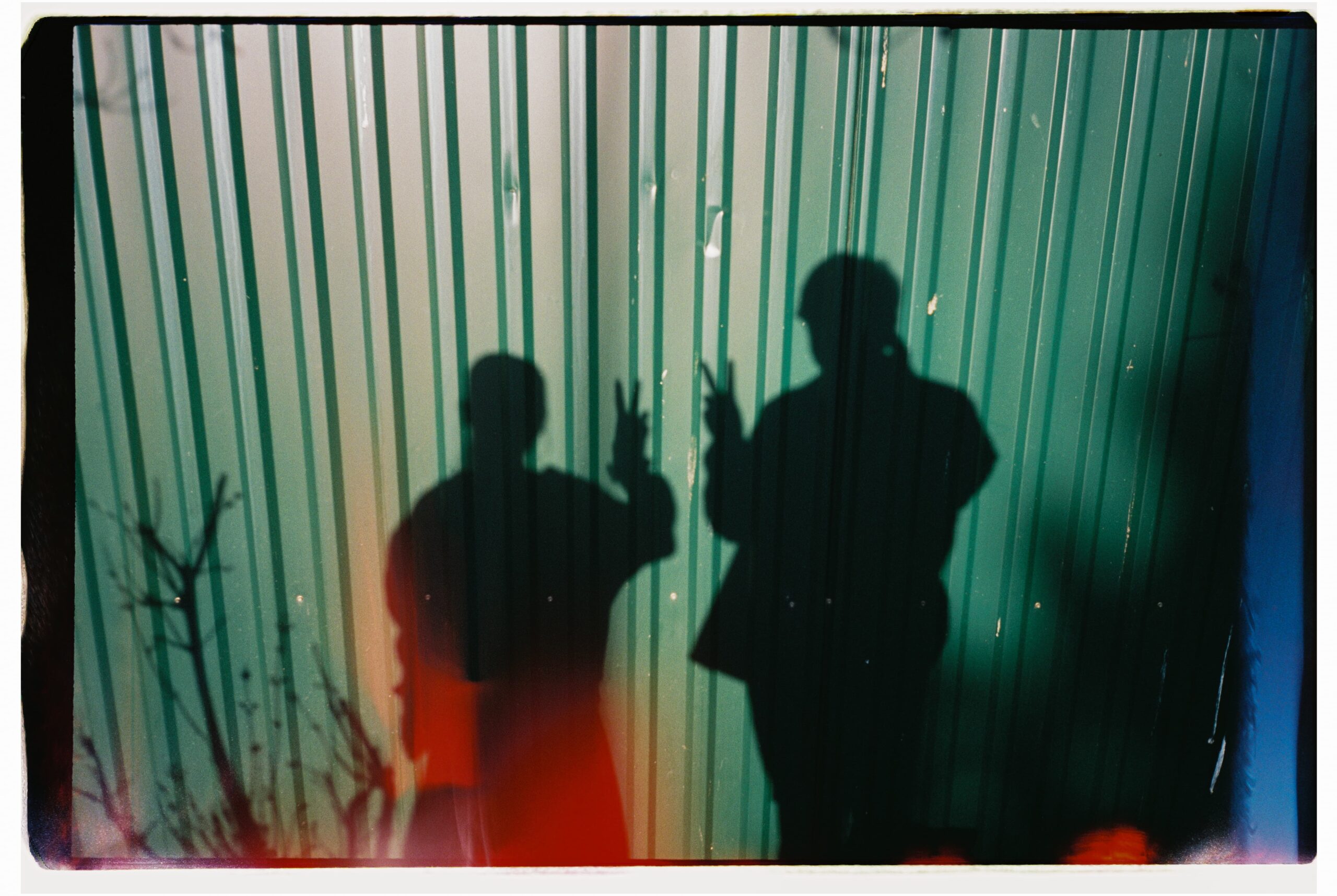
I’m not sure how long this will last, but watching the comeback of film has made me think that some visual styles are more future-proof than others and that film and the look it represents will probably always stay around. That’s why I’m giving it a try in both 35mm photography and 16mm motion film: to understand it better and explore its possibilities.
And of course, AI is going to play a huge role in shaping what’s next. I’m a bit concerned about how easily it allows others to copy someone’s visual style or aesthetic. It makes originality even more valuable, but also harder to protect.

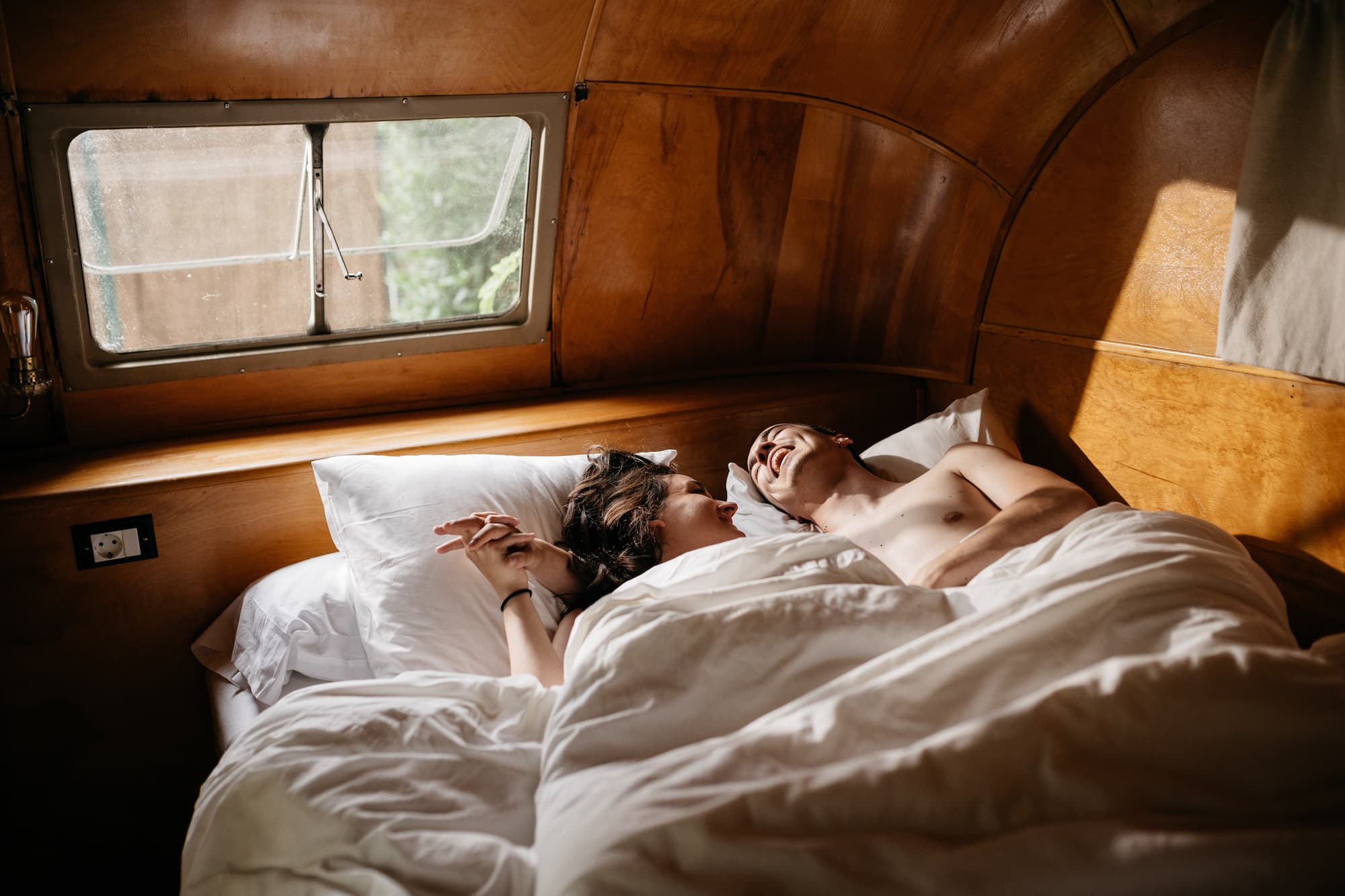
Visual stock media has evolved a lot over the years. What do you think makes an image feel fresh and relevant now?
Talking about lifestyle images, which I have more experience with, authenticity is more relevant than ever. The bar is higher every day; there are many creative people doing exceptional media.
Recreating a concept is not enough, it has to feel real from every aspect of the setting—from the location, the talents’ expressions, and the clothing and props. Yet, for the image to stand out, it needs a fresh perspective in terms of the angle, composition, lens choice… there’s a lot involved!
Do you see any shifts in how brands and designers are using stock?
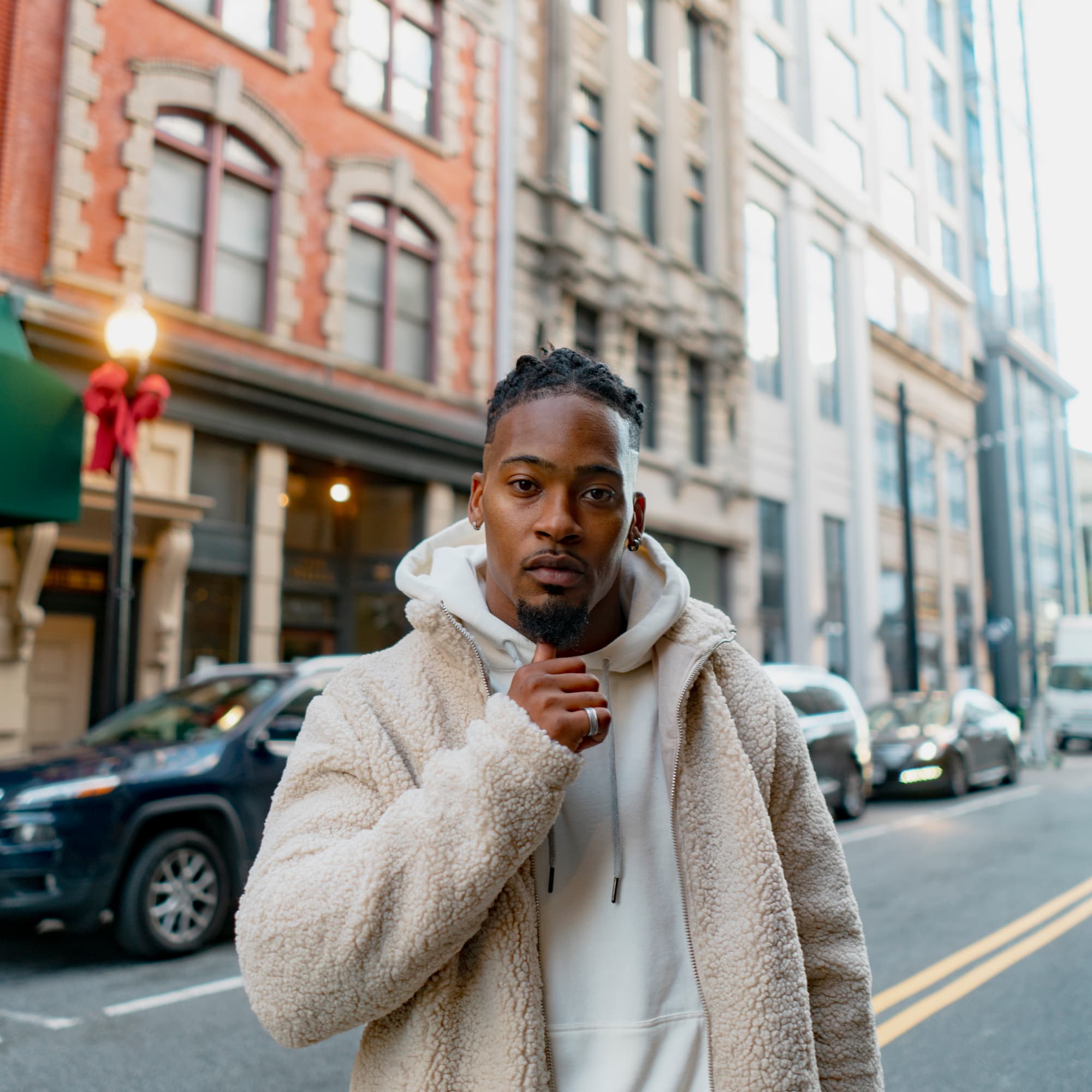
Yes, I think there’s been a clear shift in expectations. Stock doesn’t mean generic anymore. Brands and designers are looking for media that feels intentional, emotional, and unique.
The line between stock and commissioned work is starting to blur, and that’s exciting. It pushes us as contributors to keep high standards and develop a clear voice. I think Stocksy and its contributors have played a big role in that shift by curating content more carefully and giving more space to creative, artistic work that also happens to be licensable.

Are there certain themes or emotions you find yourself returning to in your work?
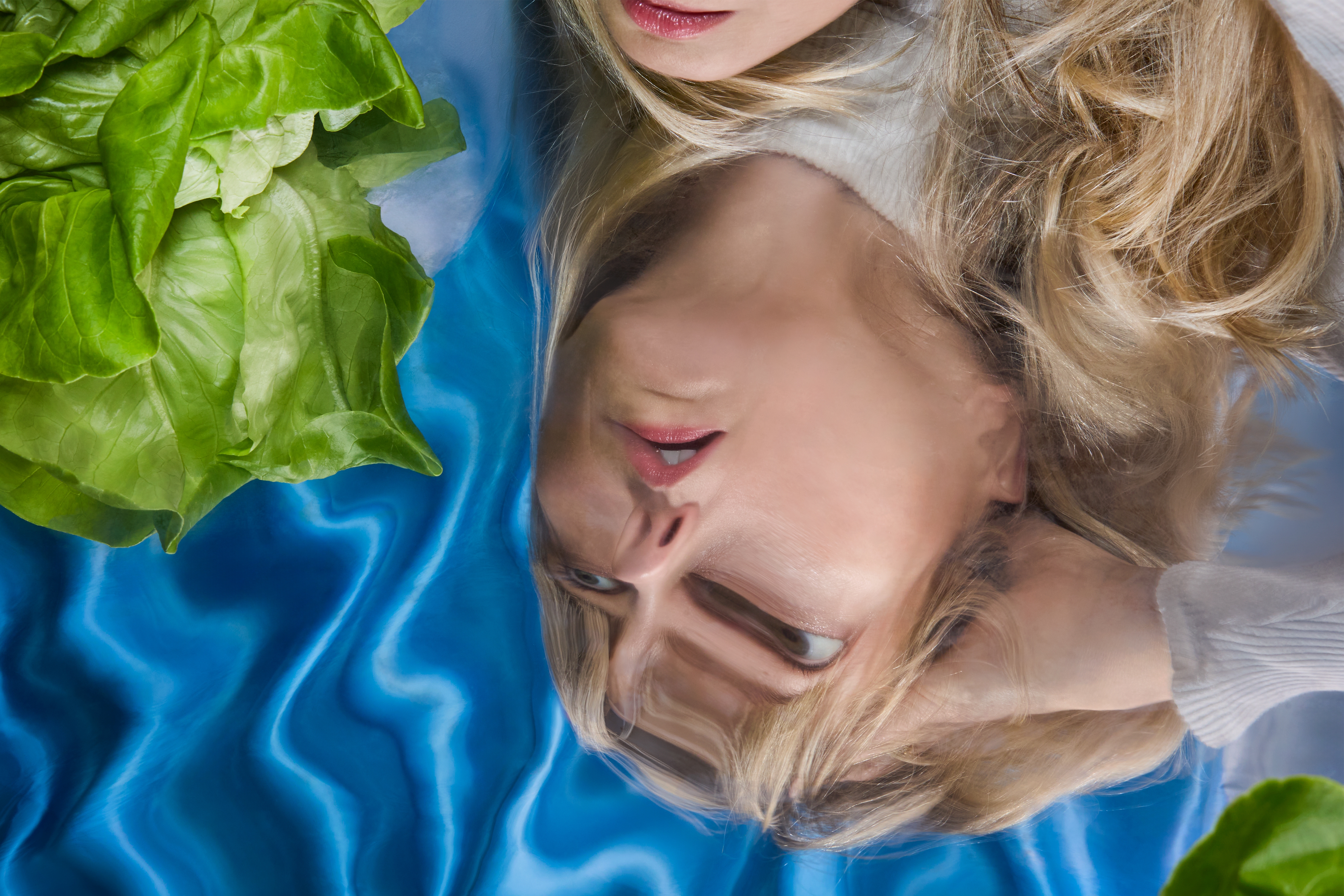
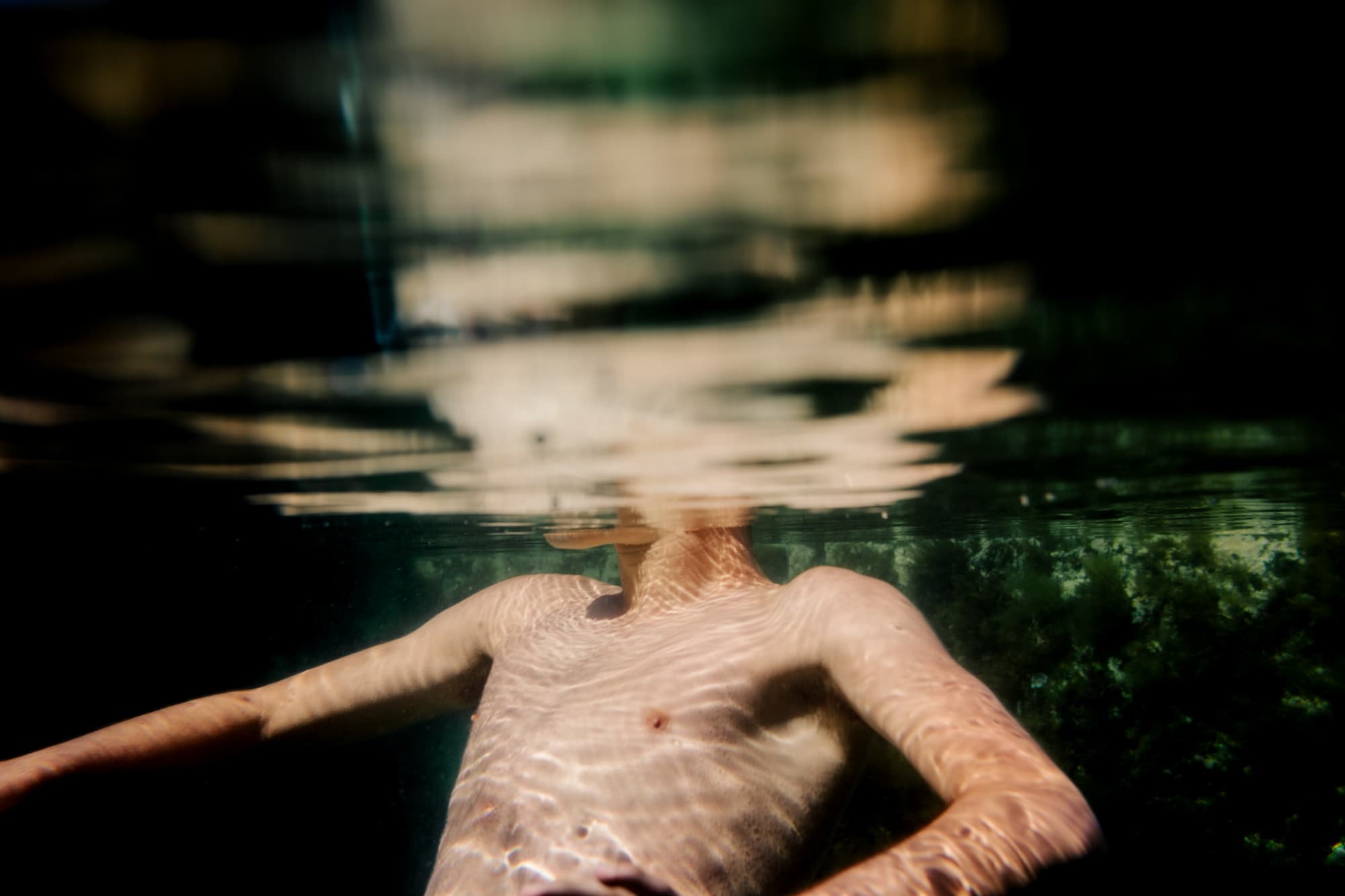
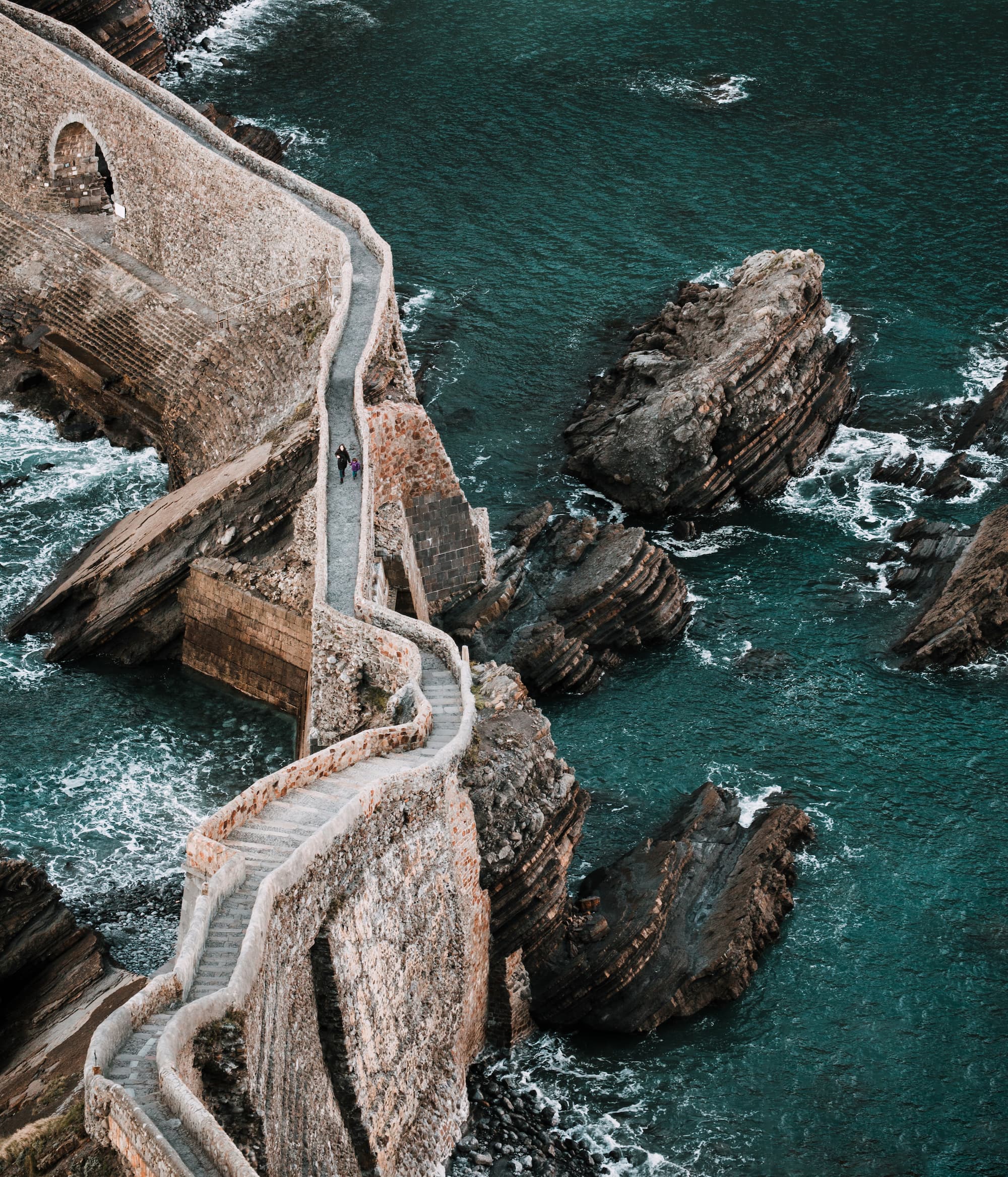
I’ve realized I have a kind of fixation with water, especially the sea. It inspires me but also relaxes me. It’s a cool feeling. It makes me feel human somehow. I find it visually appealing—the looping textures it creates and the reflections.
What keeps you excited about making new work?
It keeps my brain happy. It’s an exciting and humbling experience. I love how it feels like a game where the goal is to get something as close as possible to what you imagined in your head. Then, next time, you aim for something different and challenge yourself again and again. Such a mental joy. It keeps me young.
Discover more of Sergio Marcos’ work