From finding inspiration in “ugly” yet charming vegetables to balancing different photography styles to avoid burnout, Maria Sher’s creative process is intuitive and thoughtful. In this interview, Maria shares about composing shots, working with natural light, connecting with portrait subjects, and keeping the work fulfilling and dynamic.
You create stunning still-life photography with perfect harmony between the objects, composition, lighting, and colors. Can you share more about the process you go through to get from an initial idea to your final photo?
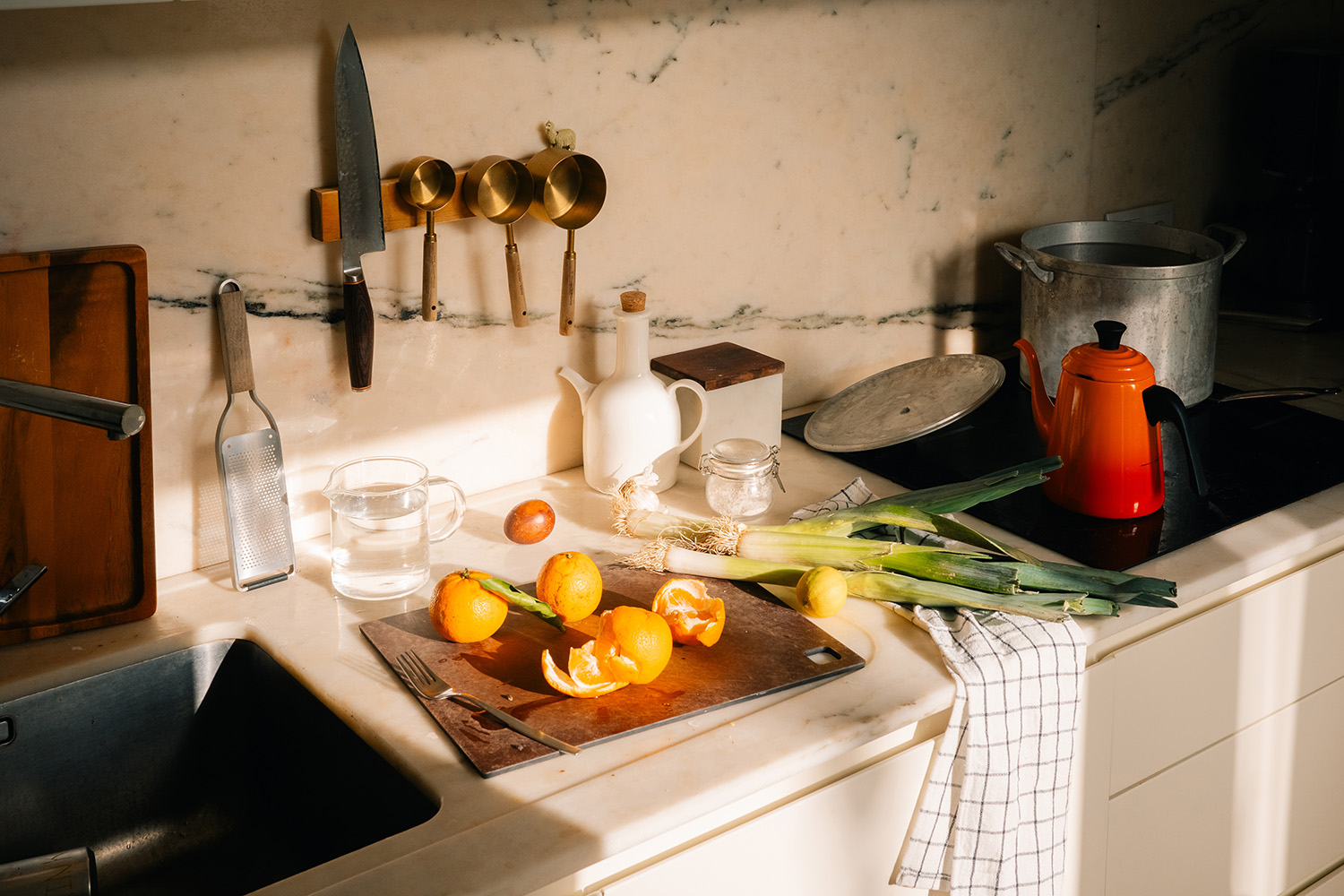
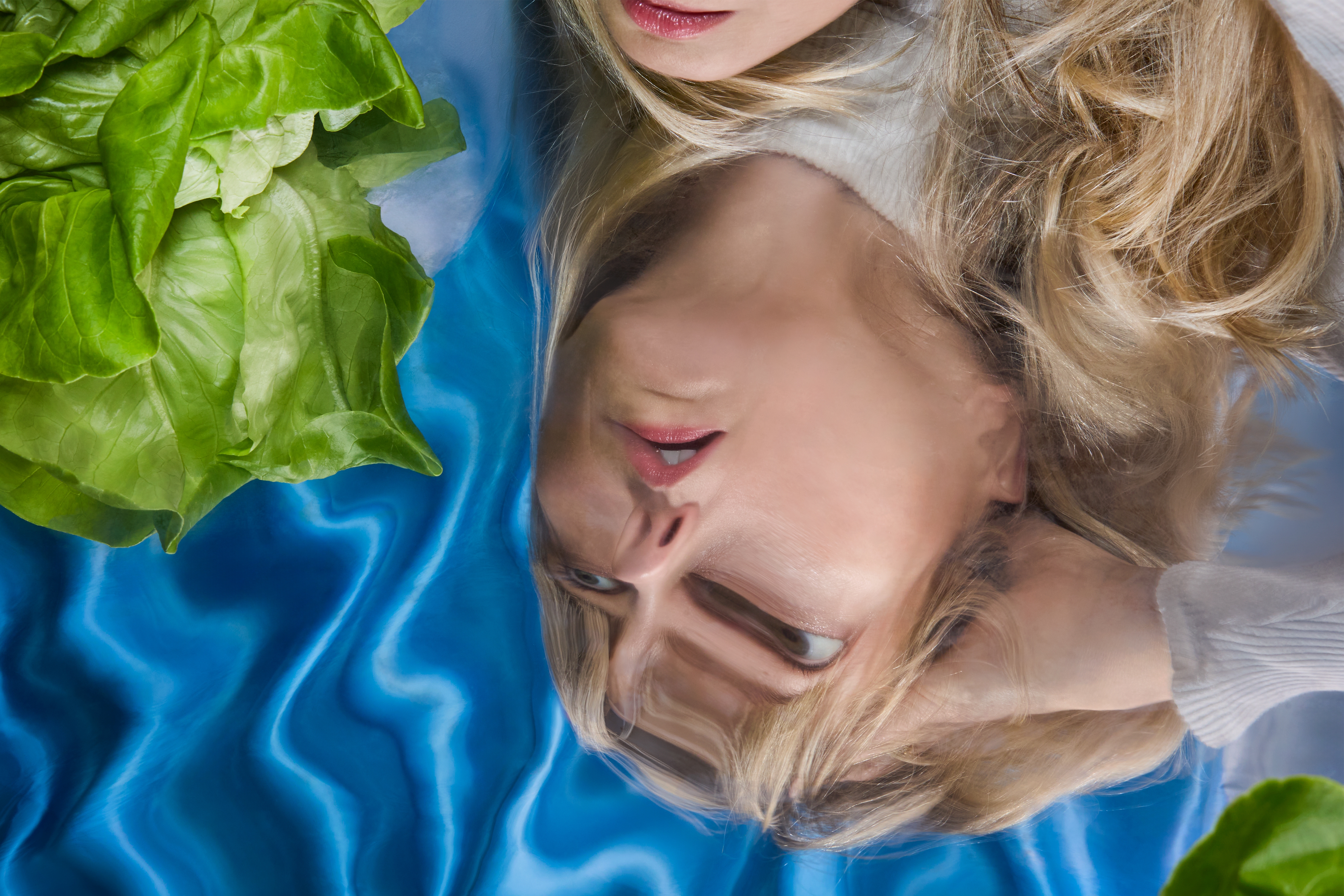
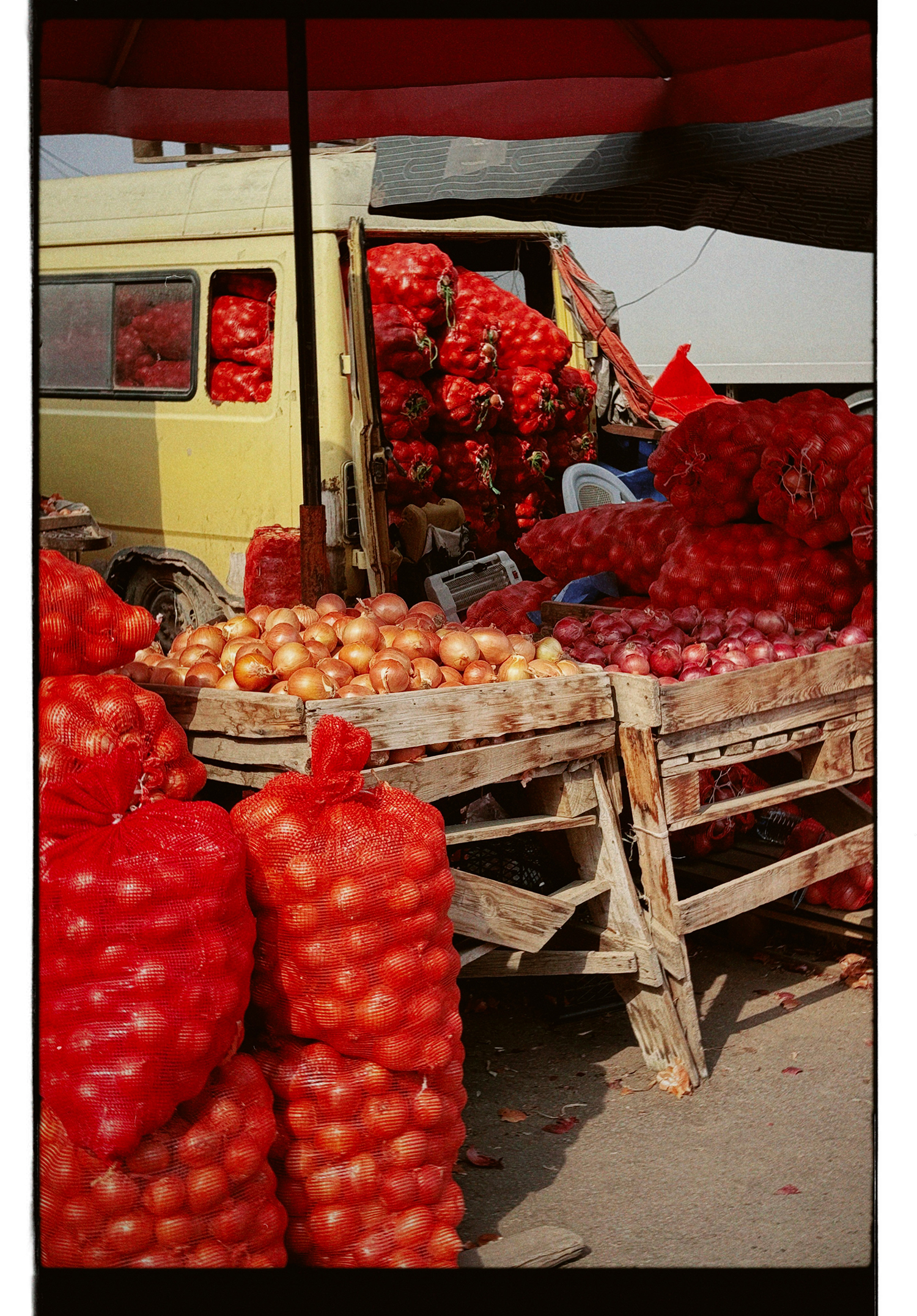
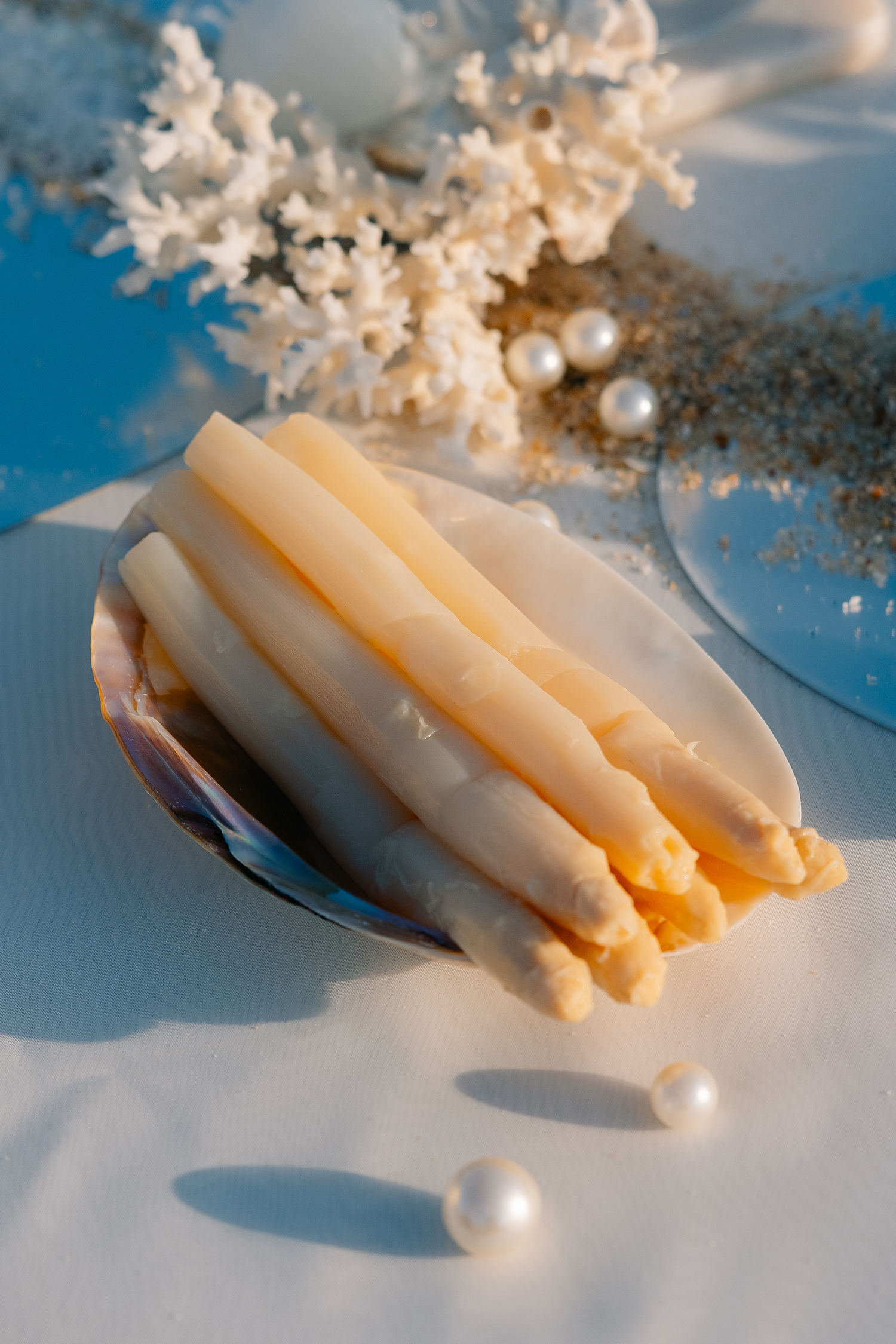
To be honest, it all started with what’s called Ugly Fruit. This is a weekly subscription here in Portugal, in which you get a few kilos of fruit and veggies from local farmers that are “too ugly” for regular grocery stores.
To no one’s surprise, these vegetables are absolutely charming and unique and really inspire me. I pick my veggie-heroes from a basket and make a story around them with things that lie around on my table.
Your still-life work often has delicate balances and compositions. Is everything sketched out in the finest details, or does the final composition come when setting up the scene?
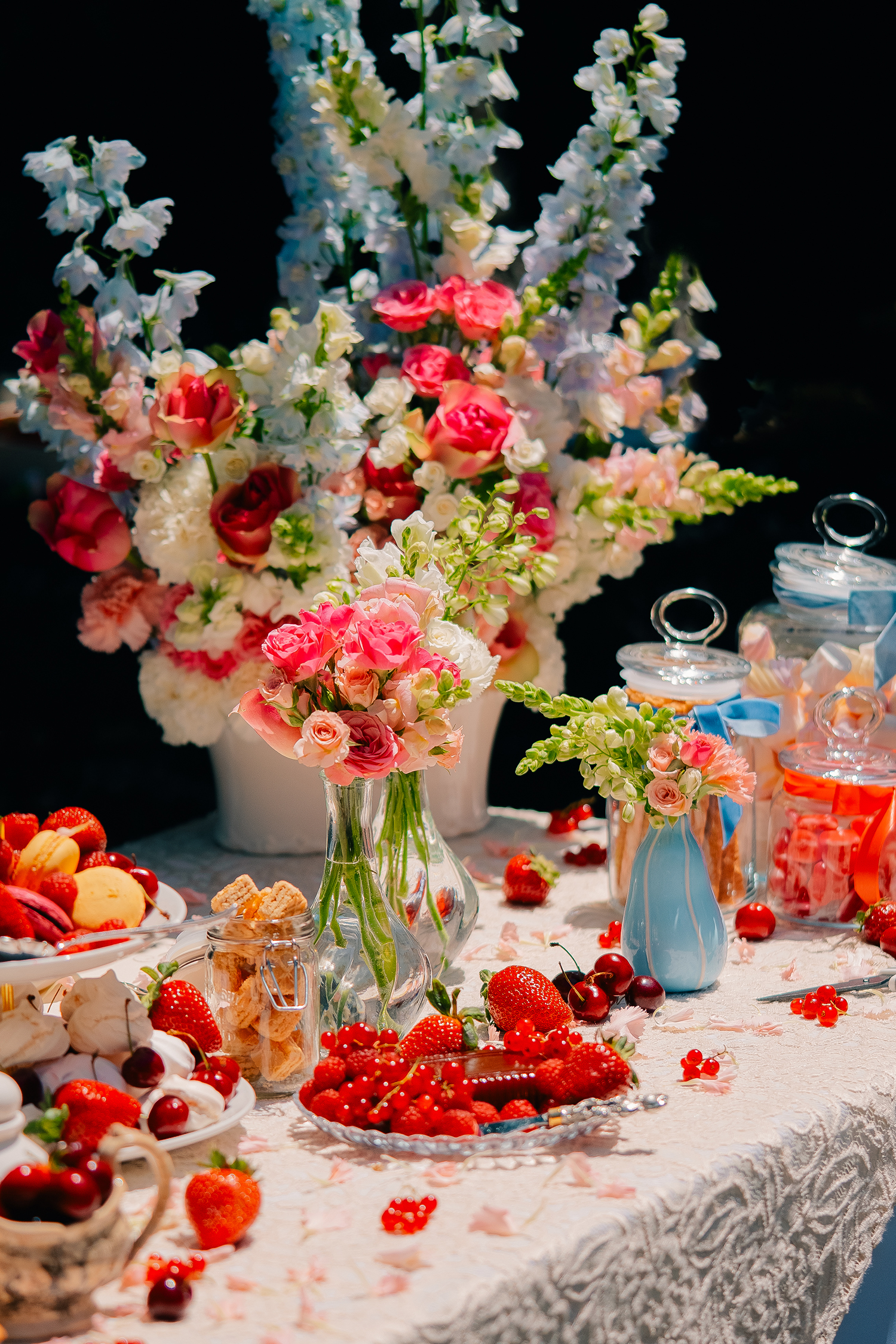
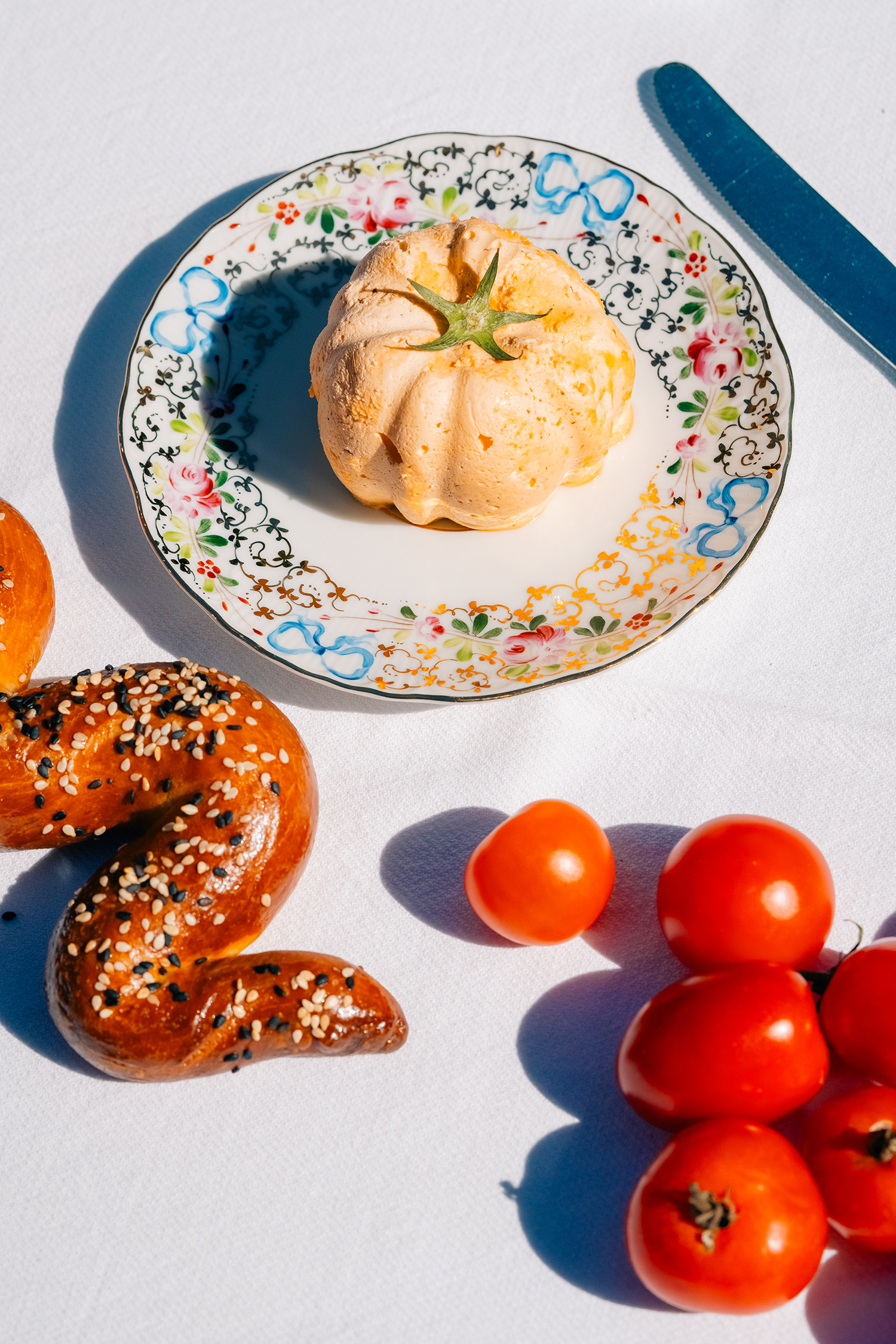
My starting point is almost always an object. But also anything can trigger an idea, be it pretty light in our kitchen or a picture on Pinterest. I can spend a lot of time playing with what’s in the frame, and the composition starts building itself at some point and comes into balance.
Looking at your beautiful portfolio, we see a strong connection with food, whether in your food photography or scenes where sharing food is involved. What draws you to creating work that revolves around food?
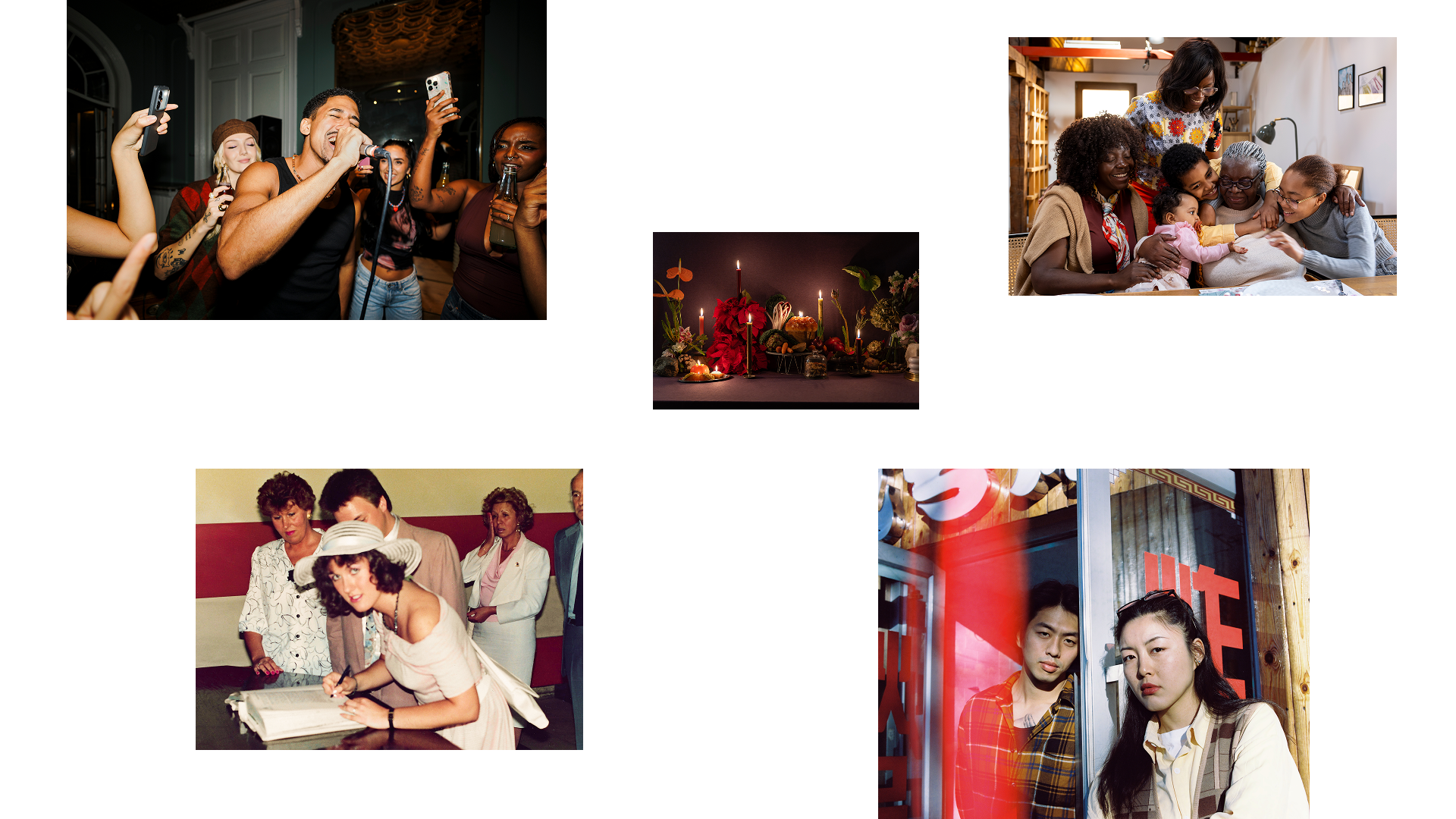
It’s simple just like that — I love food. I love both cooking and eating. For me, how the food looks is as important as how it tastes. If you open my Pinterest or YouTube feeds, they are filled with food-related content. I love to understand how everything works in cooking. And I love to feed people. And every time I cook something for someone, I bear in mind all the beautiful pictures of food I’ve seen on the web.
Lighting food can be challenging. If the light isn’t quite right, it can make the food look unappetizing. However, you make your food look delicious and even more impressive in many different lighting scenarios. What do you look for when deciding what type of lighting works best for your scene?
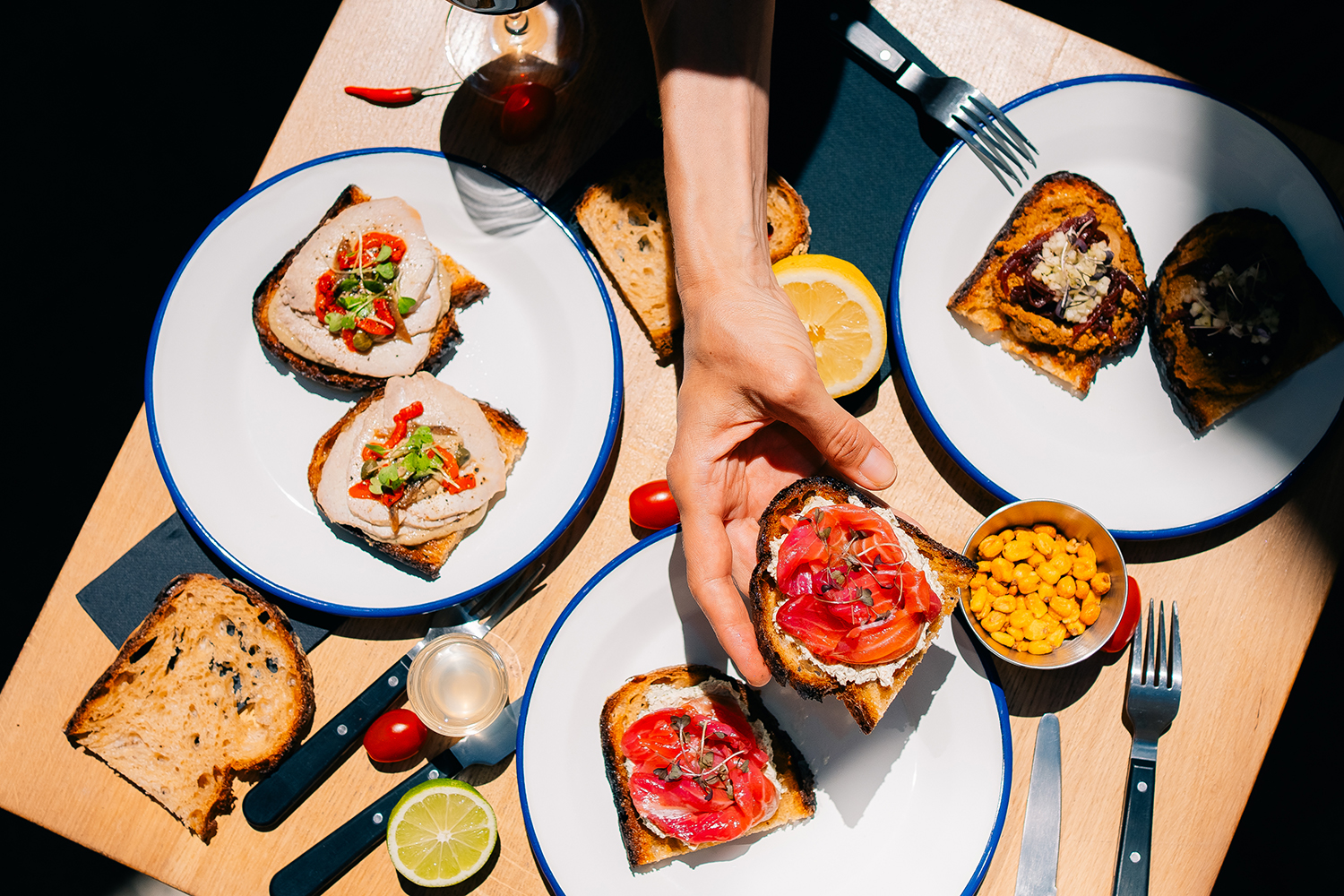
To be honest, usually, I use whatever light I have. I mean that if I have an idea to shoot a dish, I’ll probably go with the natural light. Most of the time, it’s natural soft light from the window. Sometimes though (when I’m in the mood and the food fits), I prefer the hard direct sunlight in the yard, plus a silver reflector to highlight the deepest shadows. But not too much, because I want to have enough shadows to create volume.
We love seeing when artists can work with people and make them feel completely at ease and comfortable. How do you find the people you portray, and do you have tips on creating a comfortable environment for everybody?
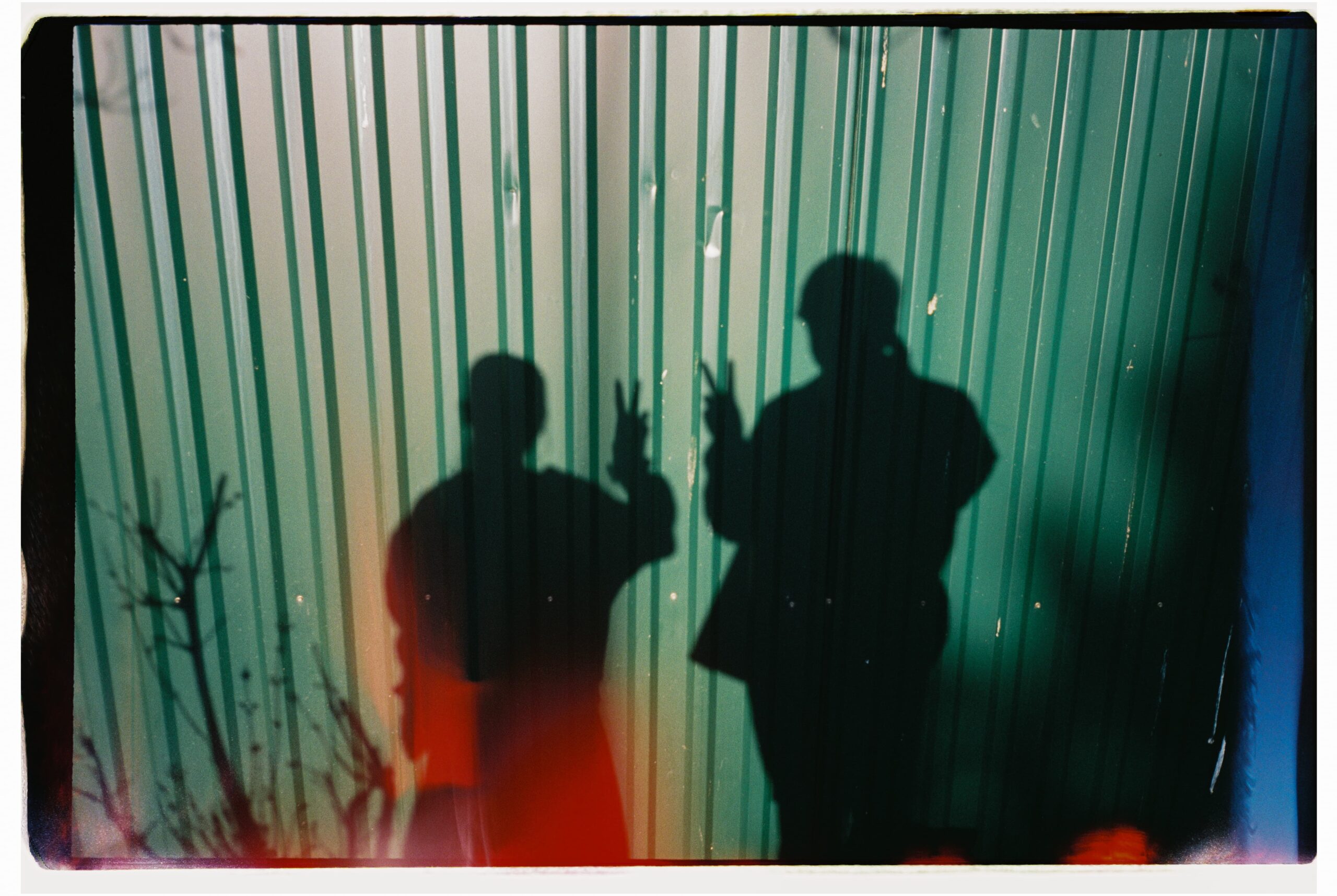
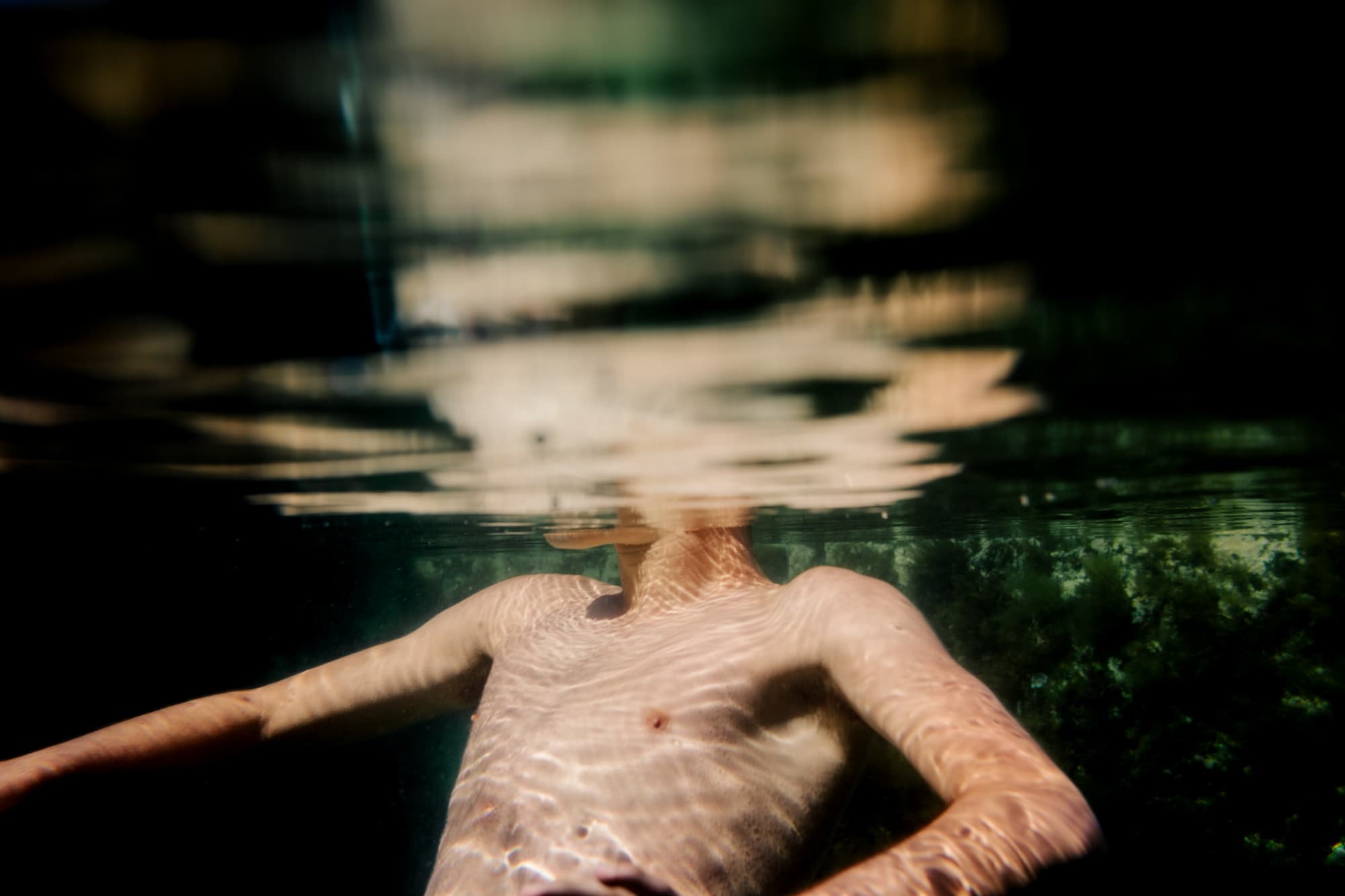
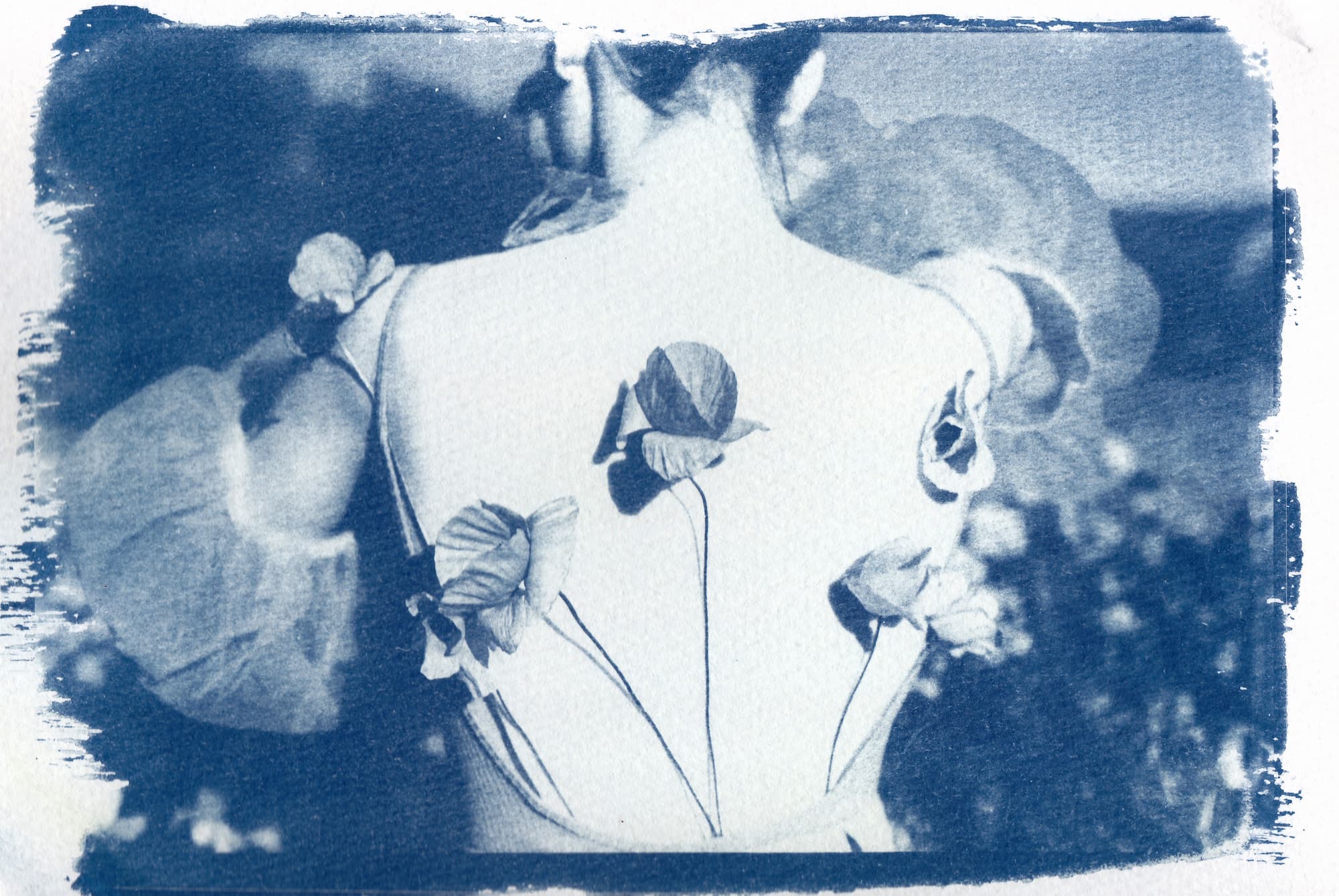
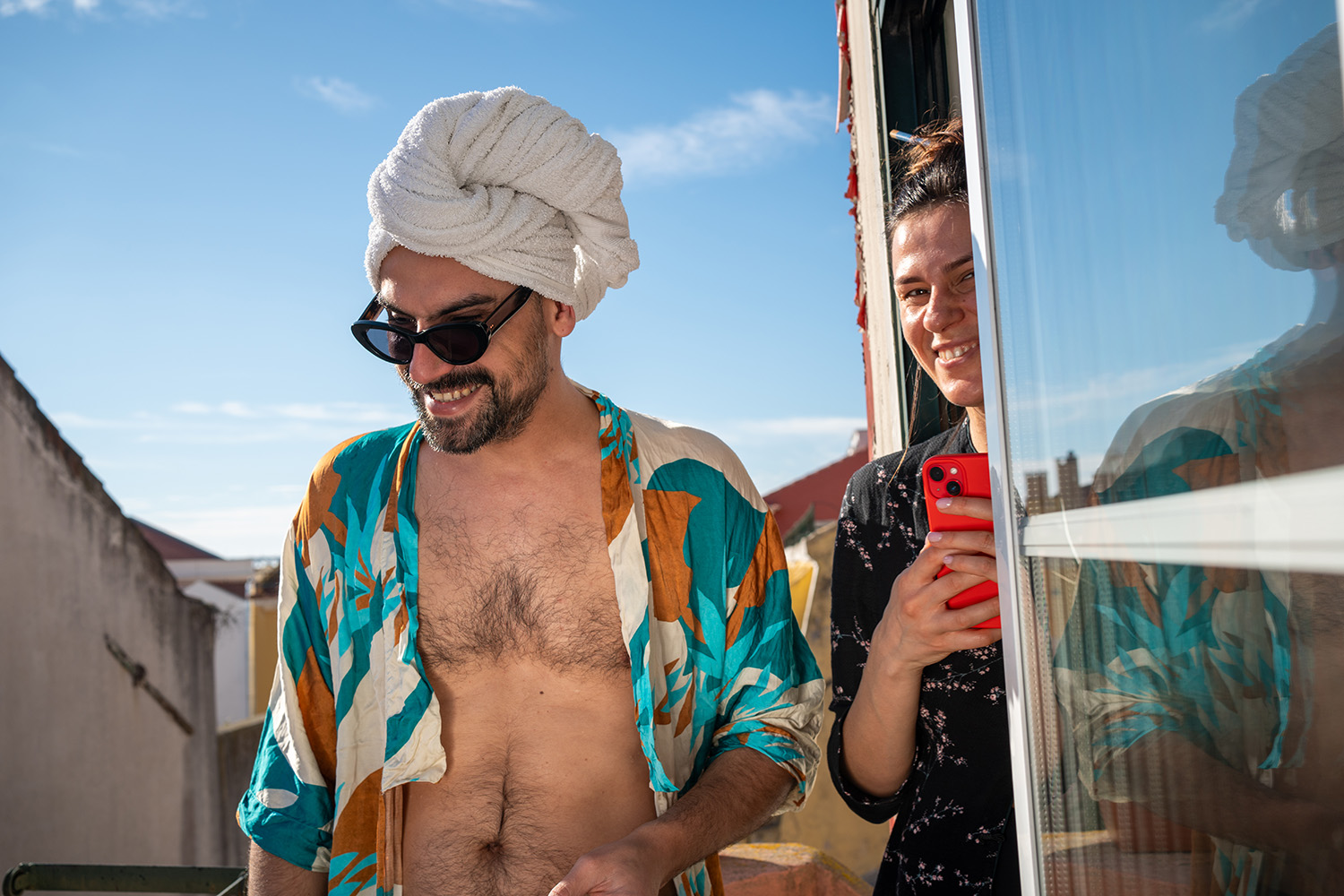
When I just started my portrait photography journey, I was horrified of shooting real people. It took me at least a couple of years and several courses from portrait photographers to get used to the idea. I think that the most influential for me was the workshop from Maria Krugovaya. She teaches how to shoot naked people. To do this type of photography, you need to be as careful with your subject as possible.
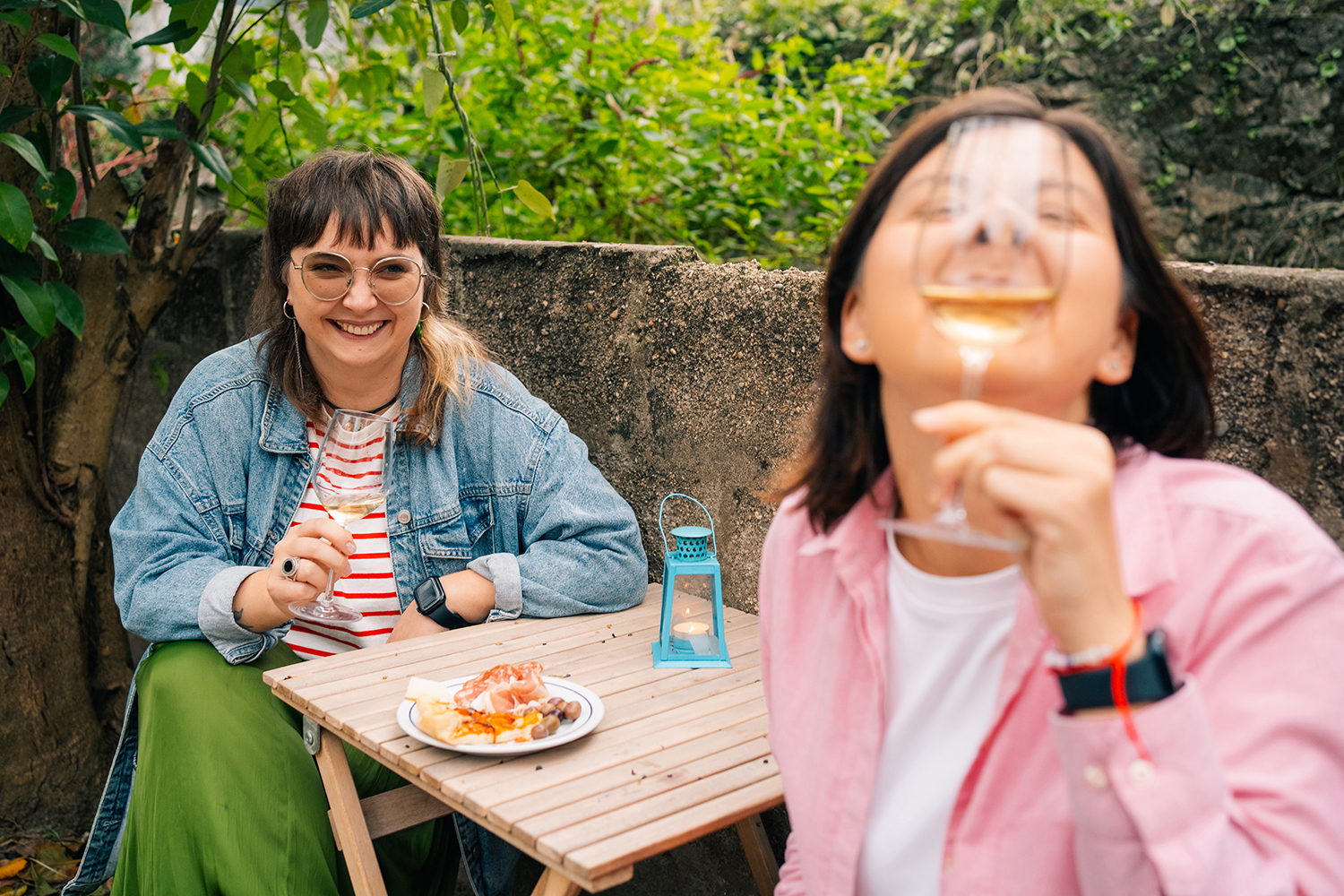
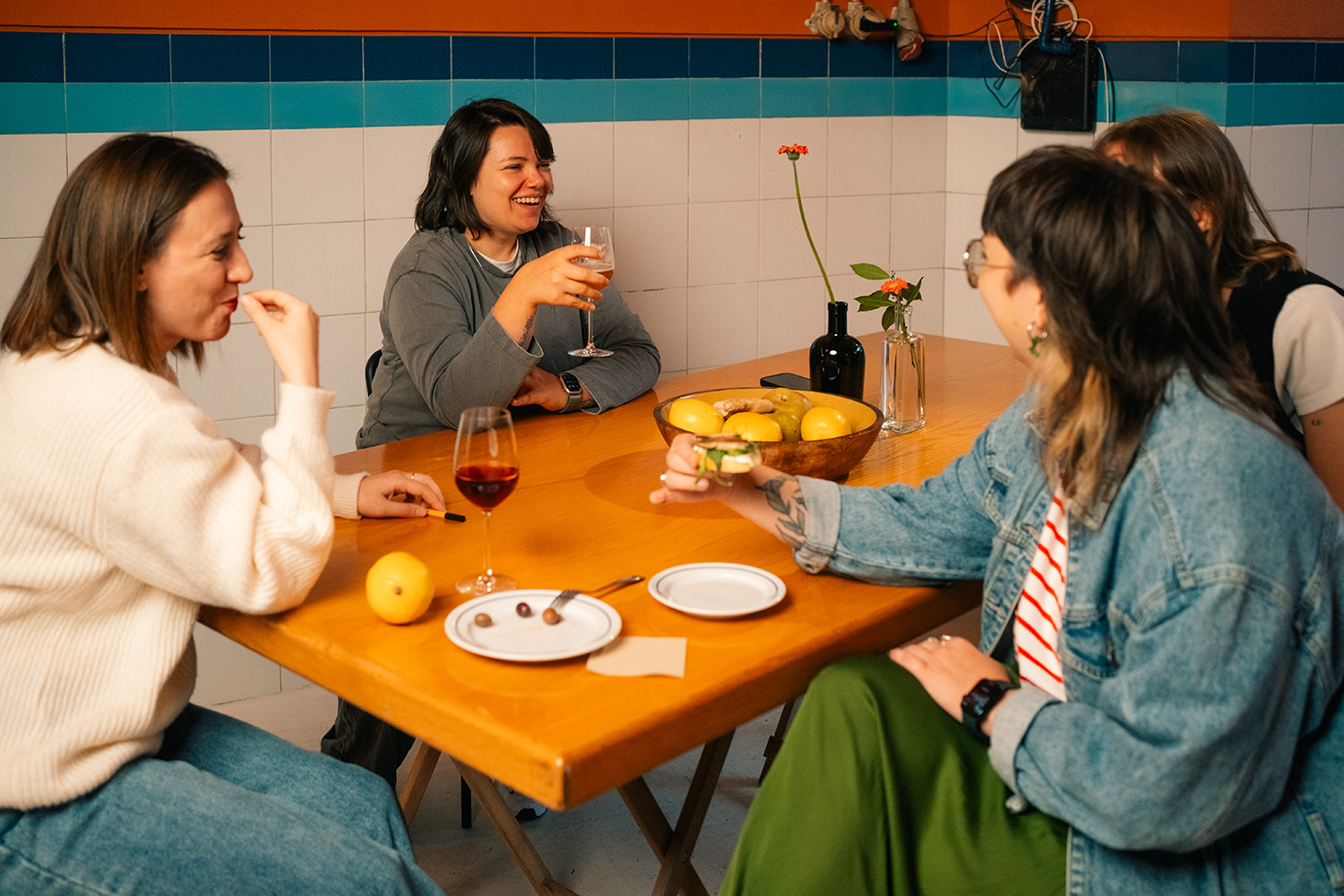
I don’t shoot professional models; most of the people in my frame don’t feel comfortable in front of a camera. Almost every session I do starts with words: “Take the most comfortable position you can, close your eyes, and breathe deeply.” And then I keep talking the whole time. Mostly, I ask personal questions and just talk about life. It helps the person stay relaxed and forget about the scary lens directed at them.
Do you have any goals or plans that you are excited about?
My current goal is to gain 1k assets because I’ve decided I’ll celebrate it with my friends. And I want to make a couple of projects about people making things by hand: ceramics, jewelry, or woodwork.
What is your motivation/driving force to create your work?
I just want to make beautiful pictures. I’ve been doing this since I was a child. Doing photography is my way of communicating with this world.
If you could execute any idea — with no budget restraints or logistical limits — what would it be?
I have two big ideas!
The first one is a big party in a large house in the middle of nowhere, with food and decorations and a lot of guests. And the vibe/style should be as if David Lynch created a setup for a Kinfolk issue.
The second one is a cooking residency with all my friends who can cook, and together, we create a recipe book with stunning pictures.
Do you have any hidden talents besides creating your wonderful work?
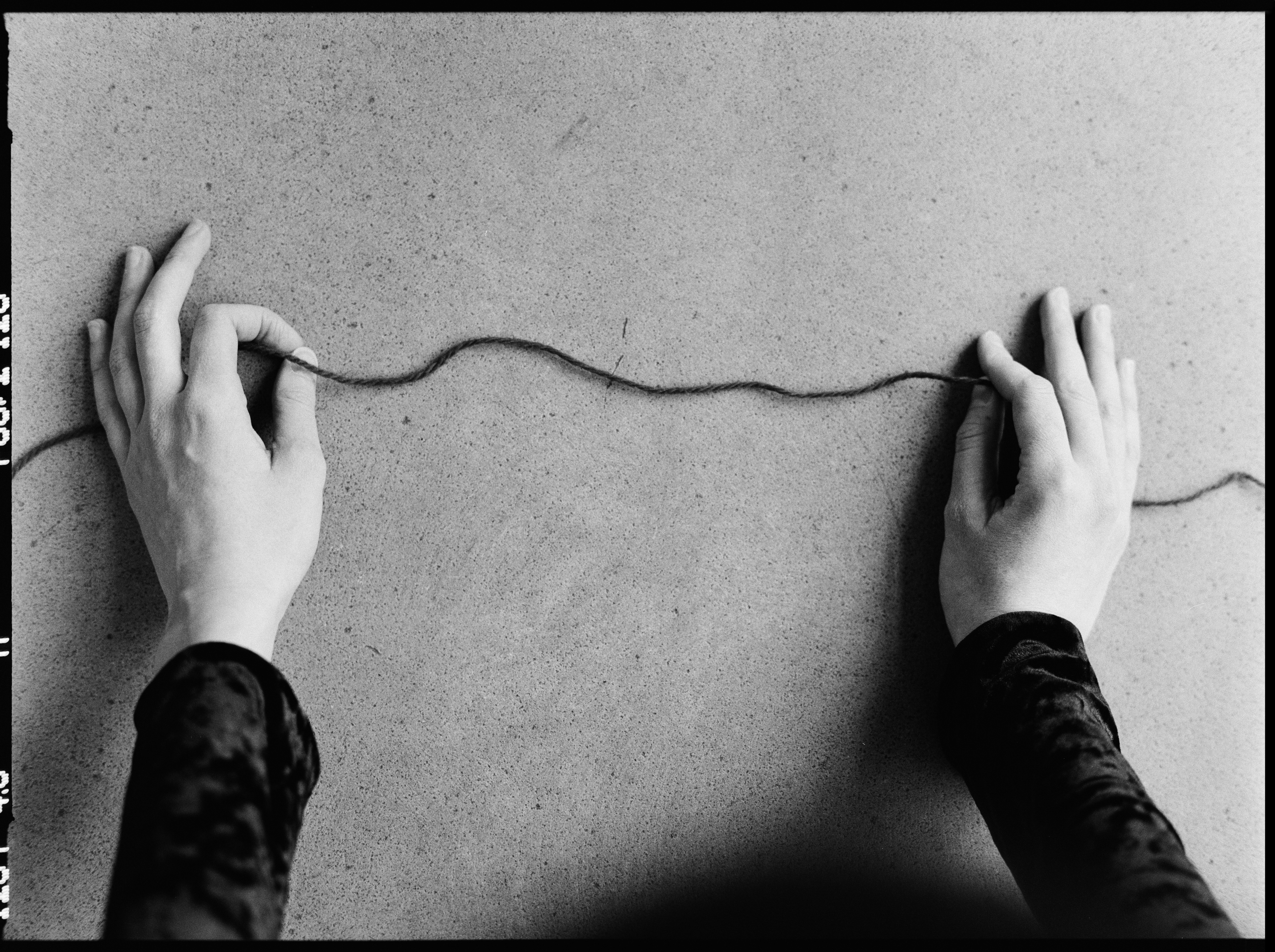
I love to cook, especially meat dishes and cakes. I started knitting a couple of years ago and recently finished my second sweater.
How do you ensure that your work remains enjoyable and that you don’t burn out when creating new content?
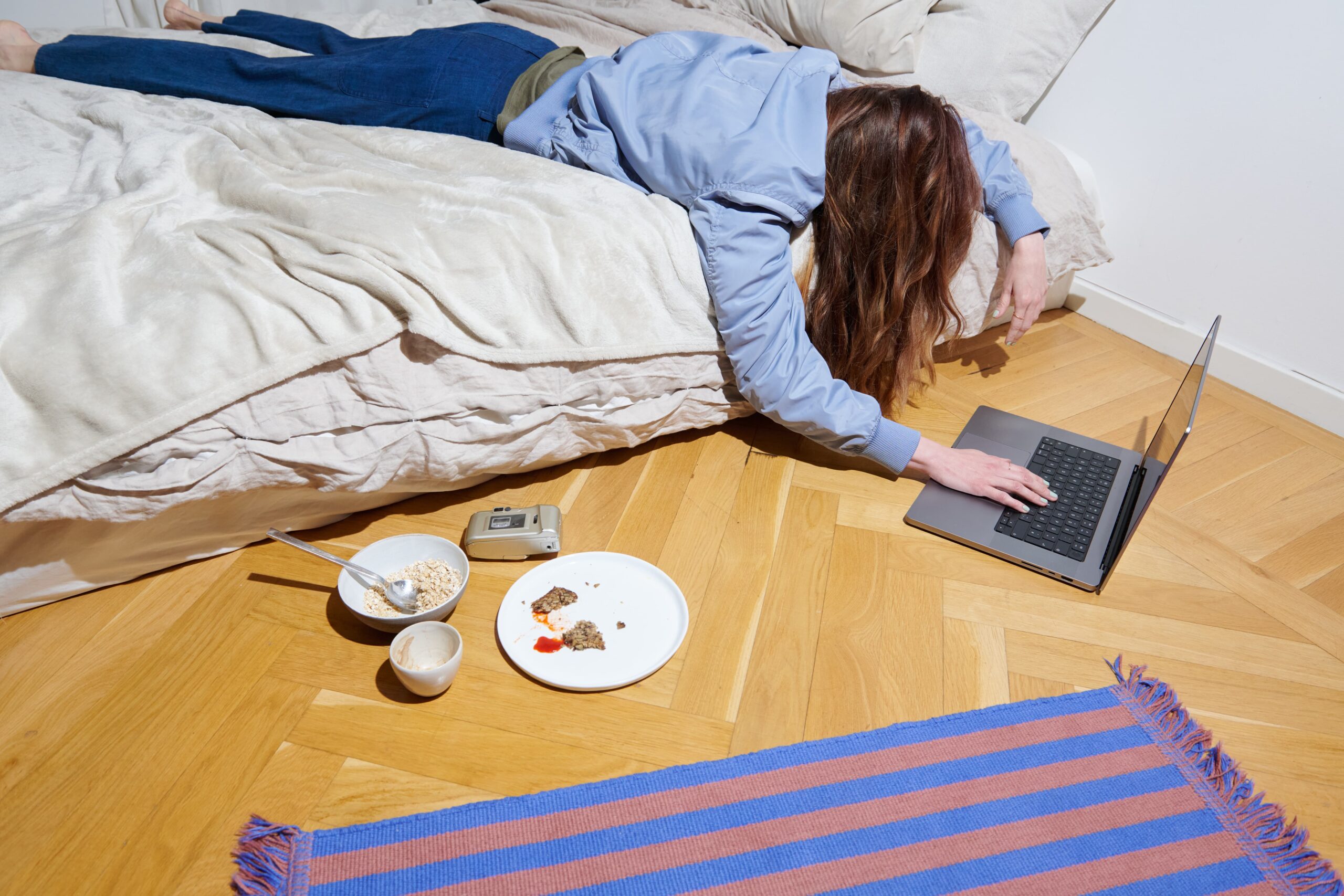
I do photography both as a job and as a hobby. When I feel tired from one style, I switch to another. It’s one of the reasons I’m happy to be a Stocksy contributor — I’m not constrained by a single style or topic.
What is the one bit of advice you wish you had known from the start?
The only way to mess up is not to do the thing. Doing the thing and getting the result you might not like is a hundred times better than no result at all.
Creative blocks can happen to everybody; what works for you to get out of them?
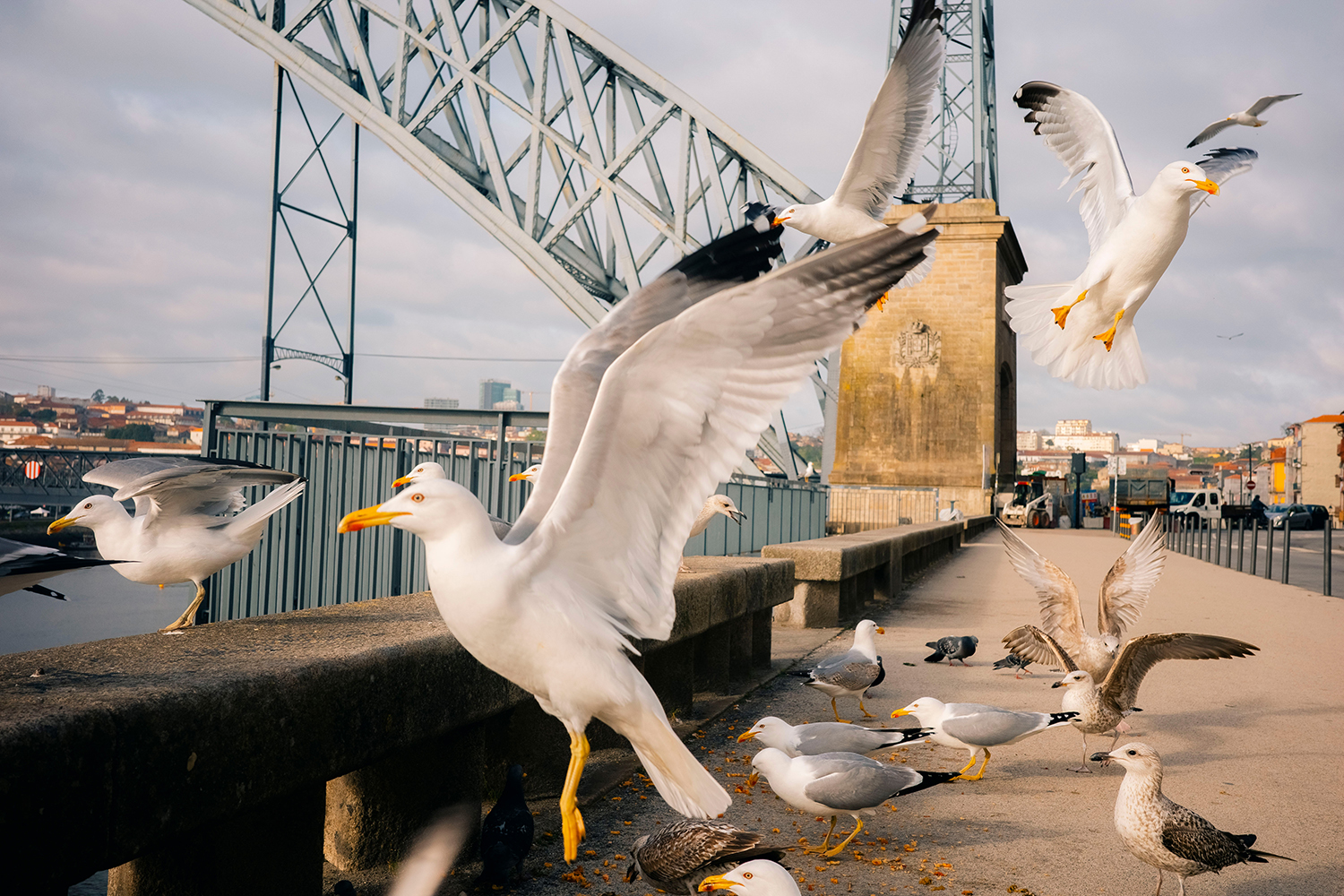
Since I can shoot whatever I want, I prefer not to push an idea when I feel stuck. For example, here on Stocksy, I’m recognized by still-life photography. But in the last month, I haven’t done a single still-life shot. I’m a bit bothered by this, but on the other hand, I continue shooting other stuff, mostly with people in the frame. But I know that someday I’ll want to shoot still life again, so I continue saving pictures in my Pinterest boards and waiting for the day.
Is there something that you can not go without while creating new work? And why is this so important?
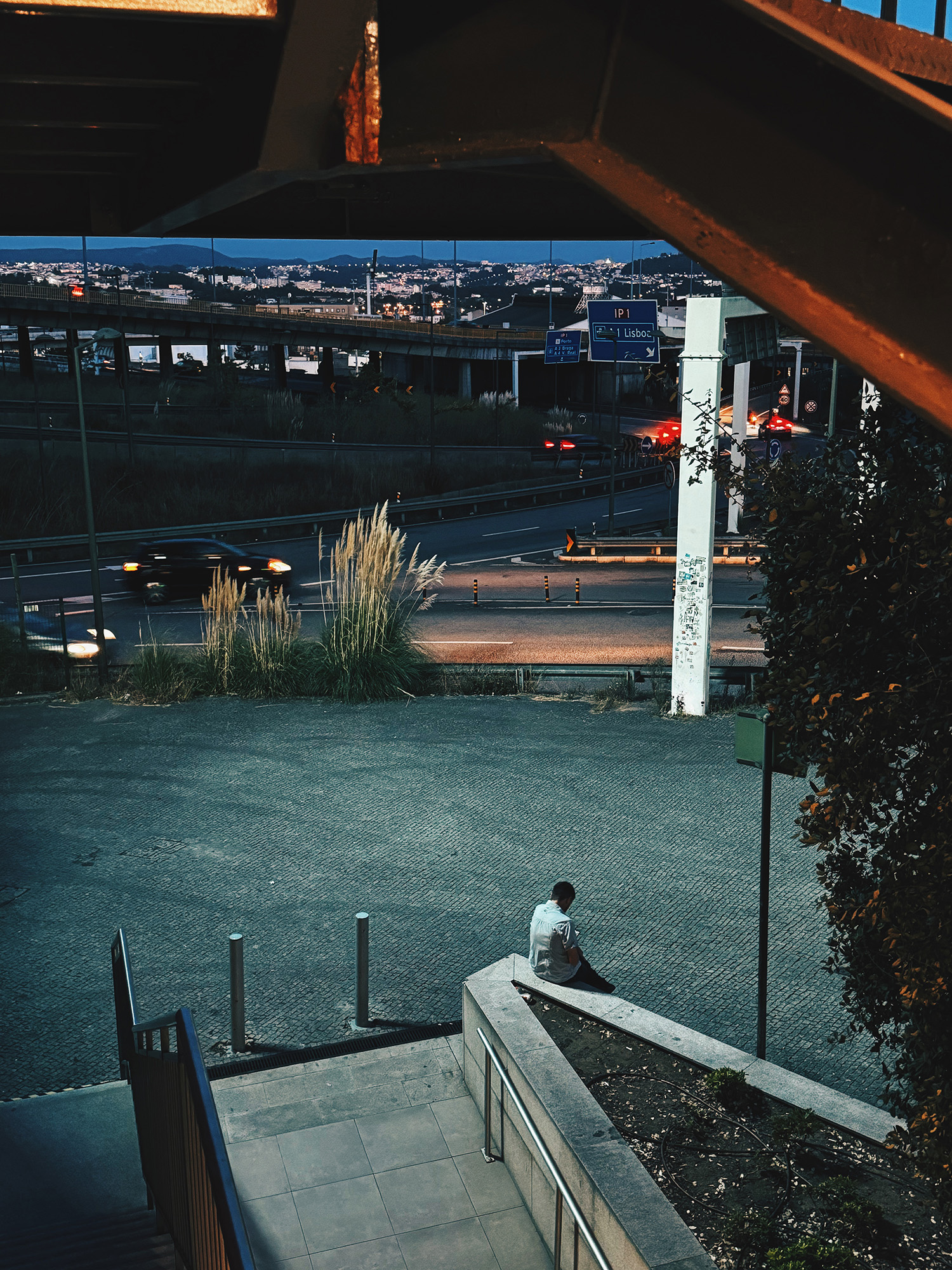
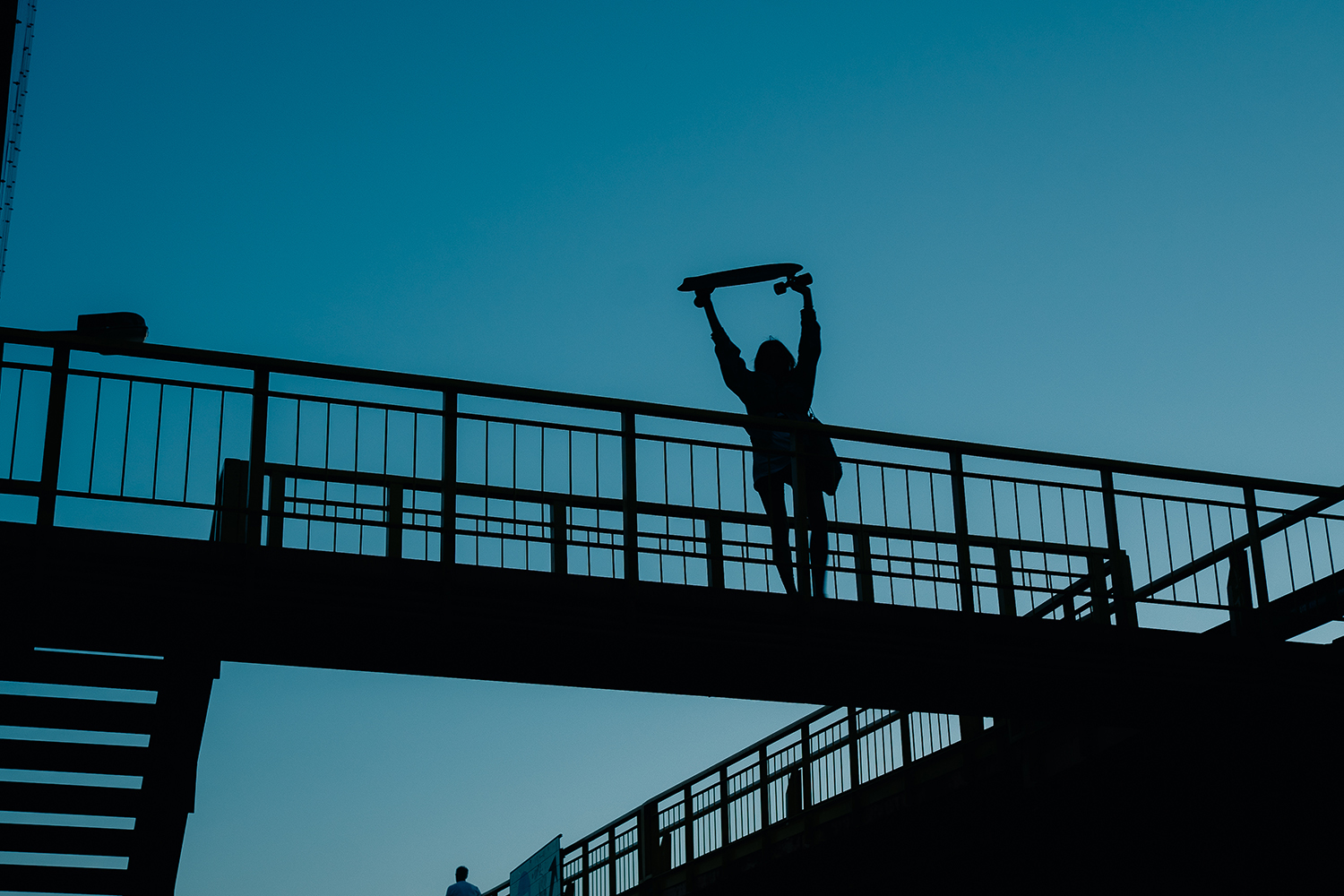
I think the most important thing is physical comfort. When I do still life at home, I need to be well-rested. Usually, I turn on music while working. If I do street photography, it’s very important for me to have a good pair of boots and not carry any heavy bags. While I do post-production, I wear cozy socks and make myself a good cup of tea.
Do you have any advice for contributors just starting out at Stocksy?
Remember that Stocksy is not only about photography, it’s also about people. You can always find support and advice from others on the platform. Keep your eye on forums and find a local group of contributors to chat with and share your experience with.
Discover more of Maria Sher's work