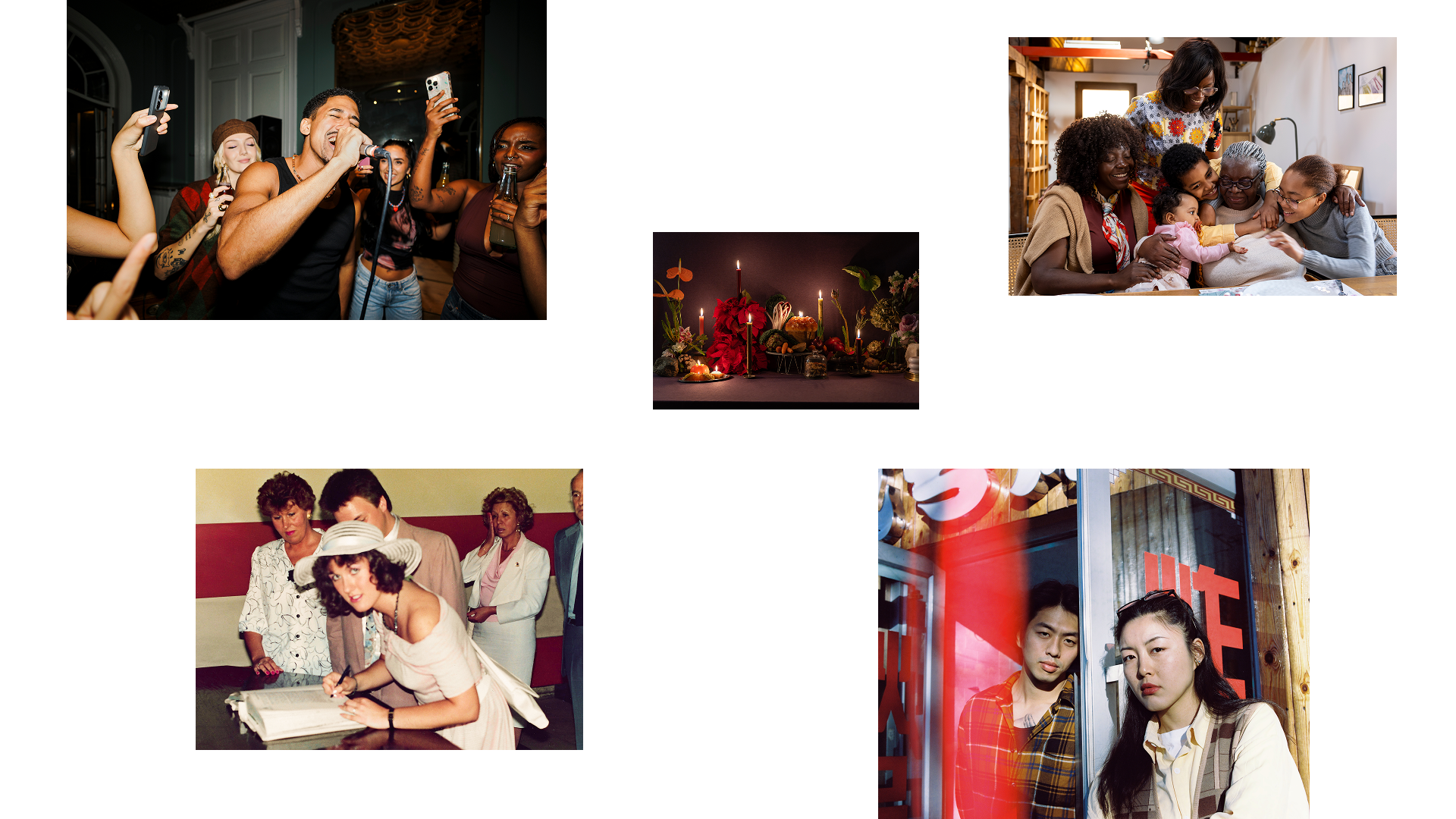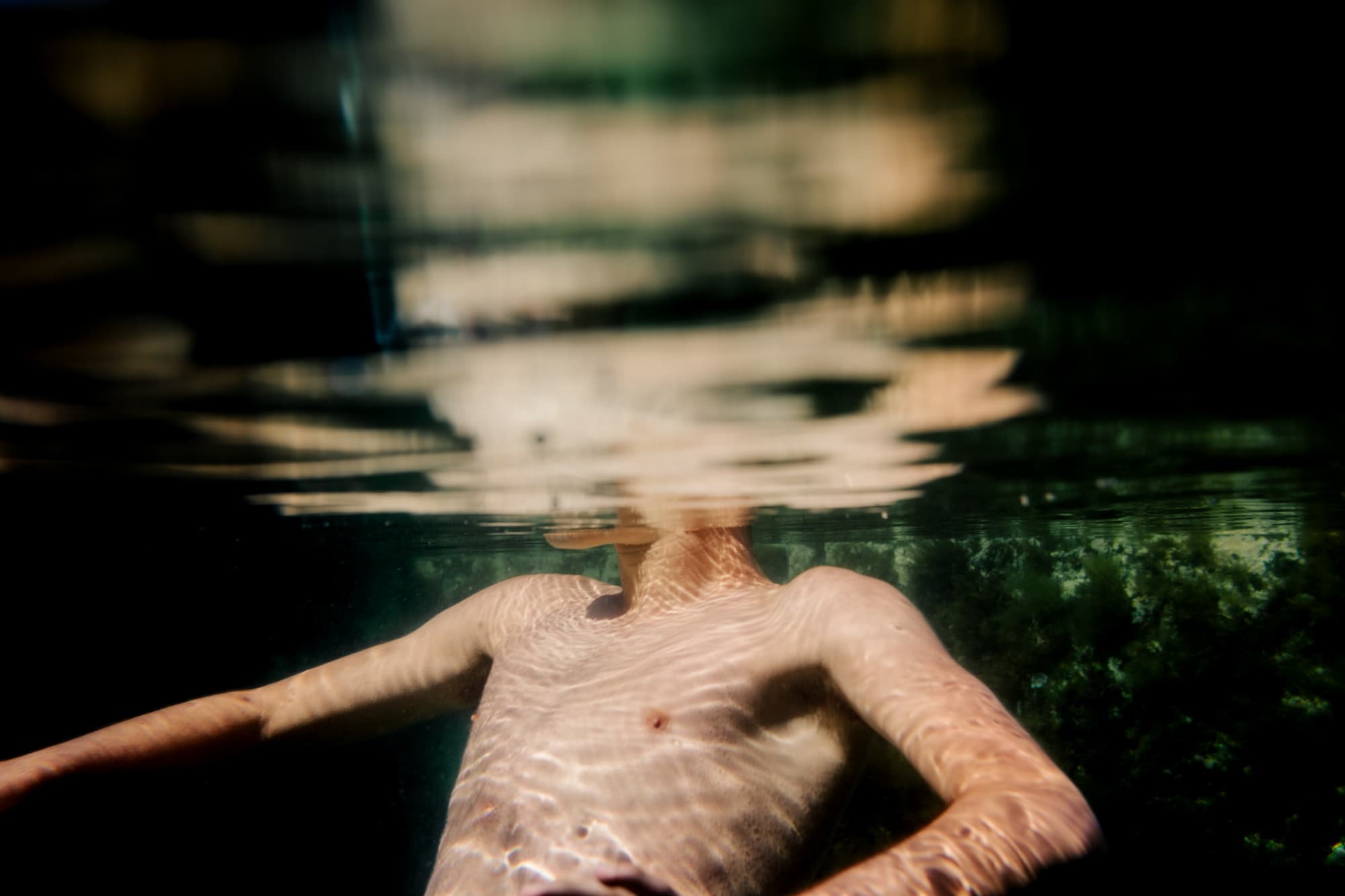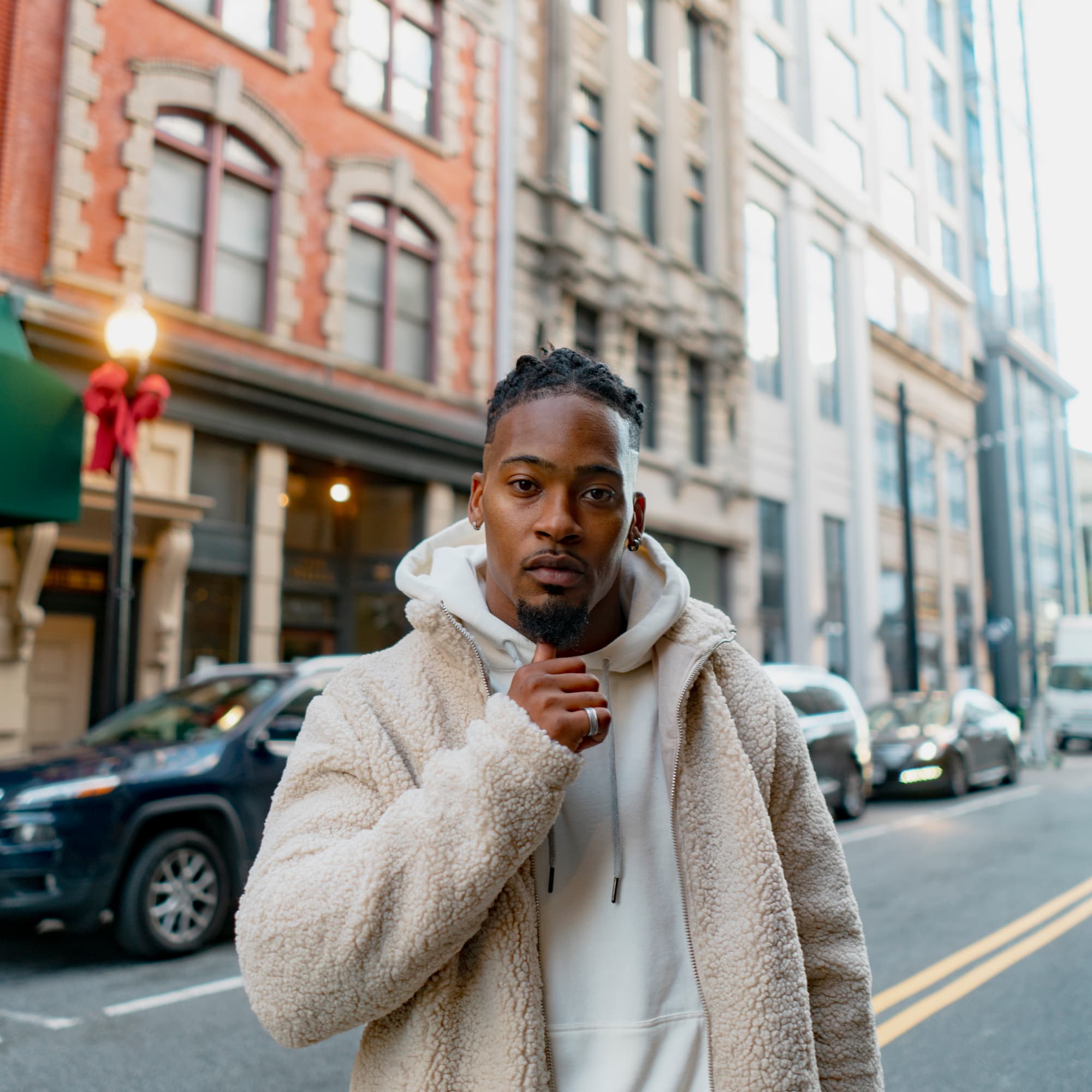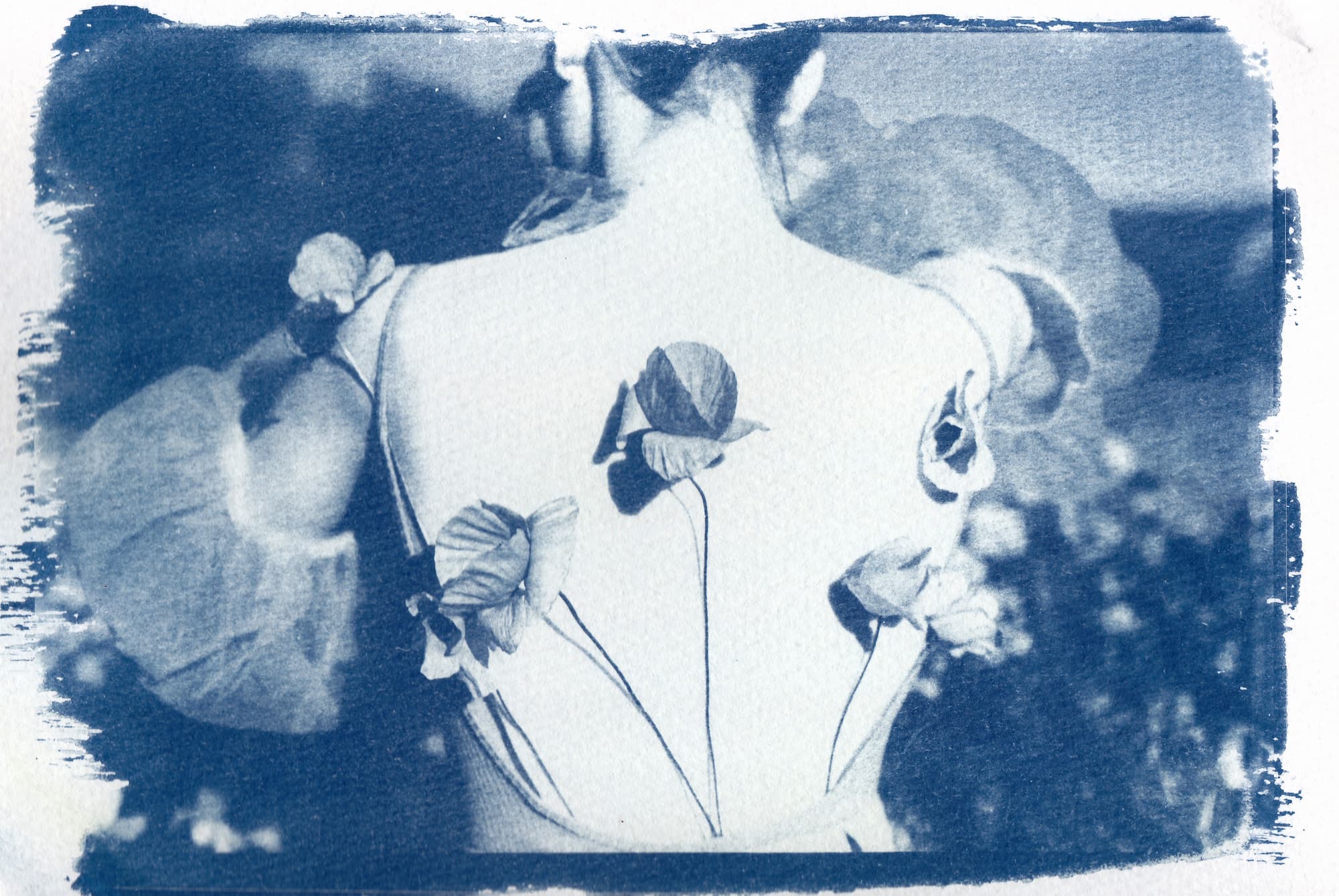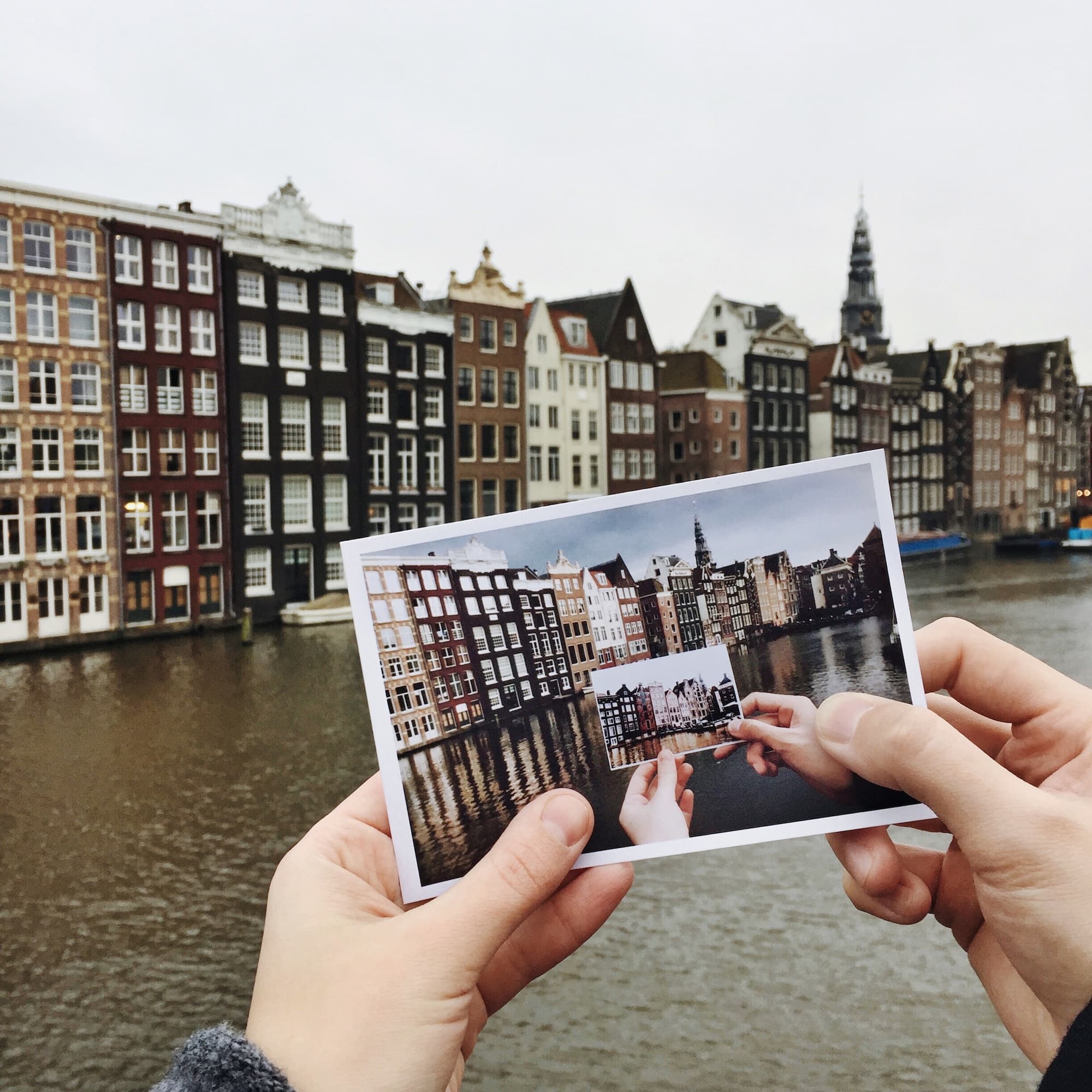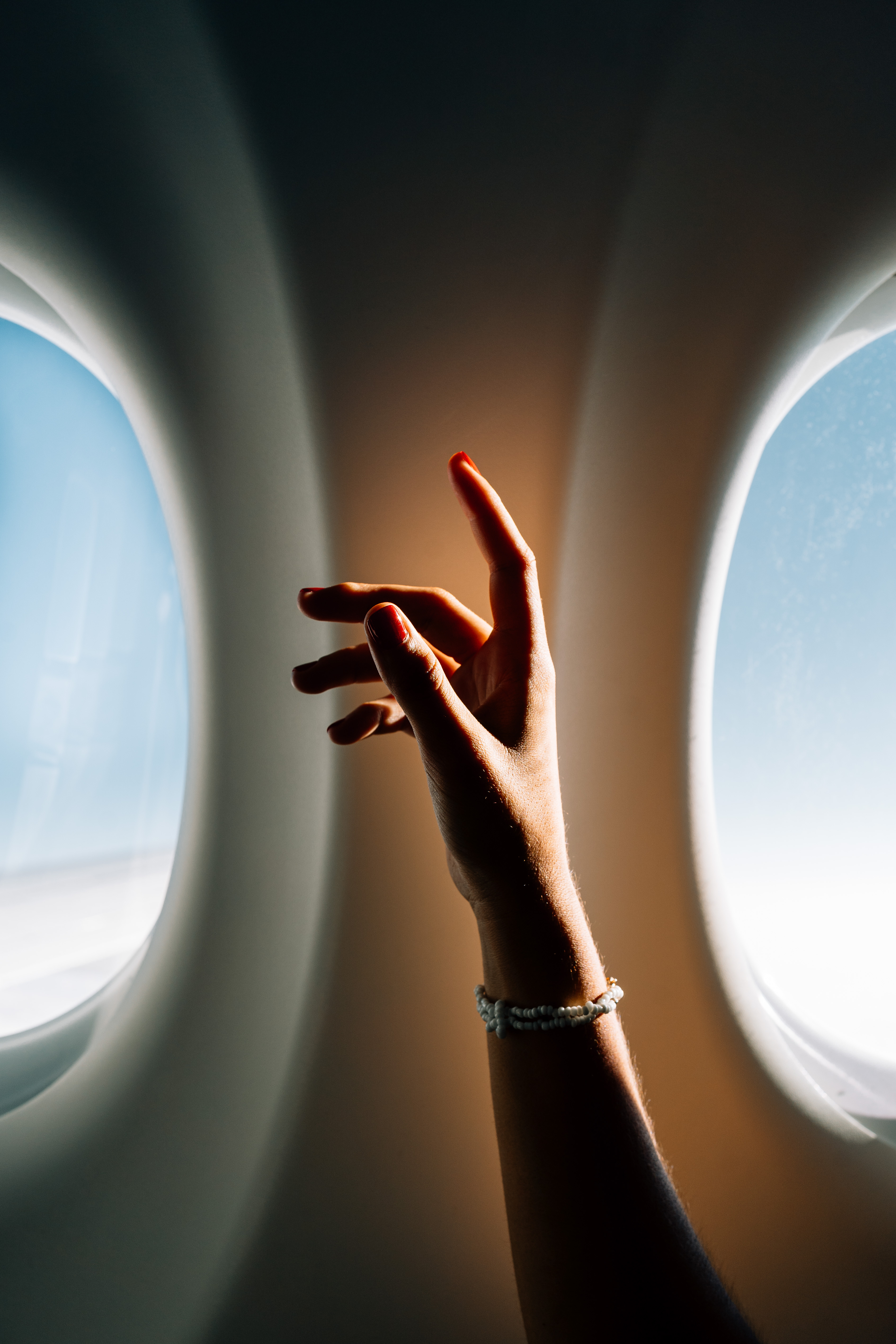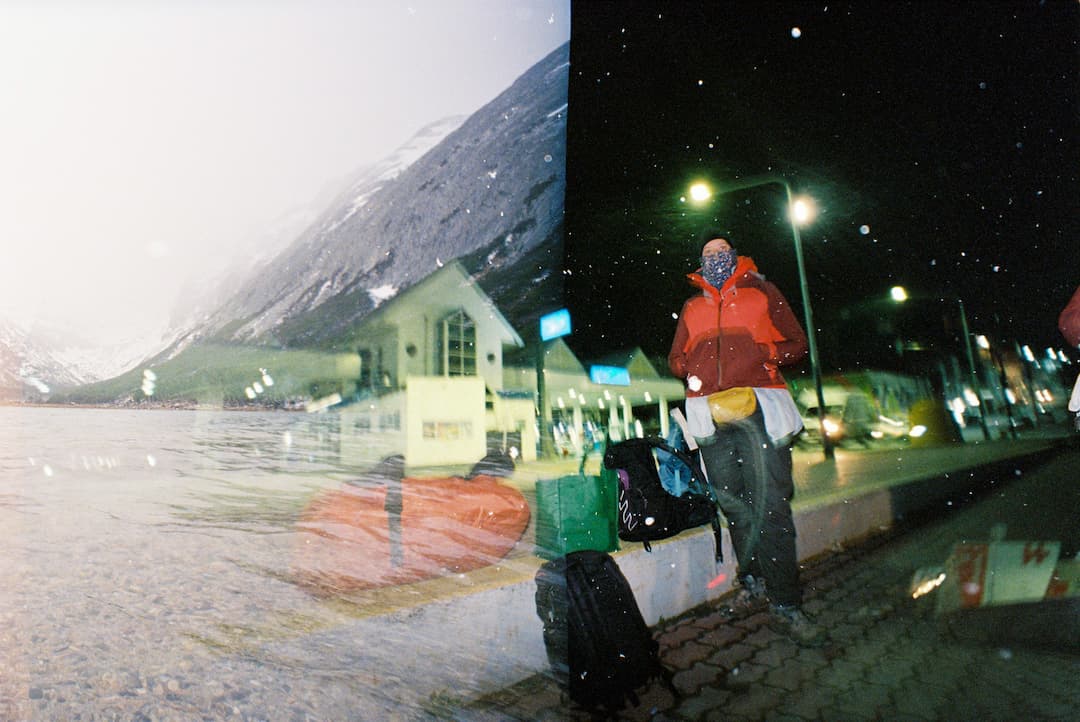
In this month’s Contributor Interview, Jordi Castan discusses how inspiration can come from both the chaotic city energy and the tranquility nature offers, the benefits of working with professional and non-professional models, and the power of being comfortable with realizing you don’t know everything.
A quick word of warning: reading this interview and exploring Jordi’s interview might make you want to go out on an adventure.
Browsing your Stocksy portfolio is like taking an extraordinary journey into the great wide open but without the hassle of packing gear and planning! How do you prepare and set yourself up to capture the content you seek?
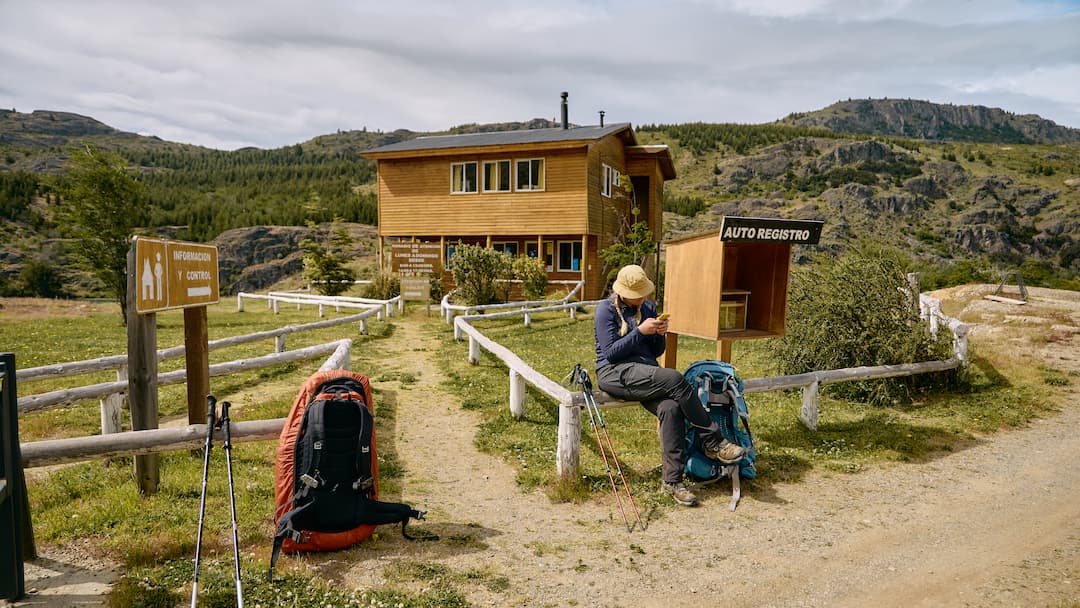
I think your description is spot on. For me, capturing content is about being in the moment and documenting what happens as it unfolds. I prefer a documentary approach, unscripted and ready to capture a spontaneous moment. I don’t like to over-control; there’s a real beauty in capturing action in the wild. Having strong technical knowledge helps me prepare and adapt to diverse situations. I generally take a minimalist approach to equipment: one camera, one lens, and using daylight as the main source of light.
To follow up on the previous question, how do you ensure that a trip to a beautiful area doesn’t turn into all work and no time to enjoy the journey?
It’s certainly a challenge, but as someone in the creative industry, I’m fortunate to make a living doing what I love. The downside is that, even when you’re not working, you still are to an extent. While shooting, it’s important to stop when you think you’ve got the shot you want. It’s easy to get carried away and want to keep shooting, but when you’re confident you have what you need, there’s no point in overshooting and falling into the endless spiral of “one more shot.”
Your portfolio spans a broad range of projects in different styles. How do you ensure that each project aligns with the director’s vision and your vision as the director of photography?
Collaboration is one of the most beautiful parts of my job, and I’m fortunate to work with a wide range of people including directors, photographers, and art directors. I enjoy the process of understanding someone else’s vision while adding my creative input and expertise. It’s all about listening and taking the time to understand a different viewpoint. There’s so much to learn by being directed and influenced by someone else’s vision, from shooting methods to dynamics and angles you might never have considered. It can be challenging, but it’s a rewarding process that opens up many new horizons.
We noticed you have worked with many people, including actors and models. Can you tell us what you find positive about working with people whose work is to interact with the camera? And what are the positives when working with people for whom this is not as common?
Models and actors are at ease in front of the camera. I’m always amazed at how they can transform into characters and deliver their actions as soon as you press REC. On commercial shoots, this makes the whole process smooth and efficient. I’ve also done many projects with people who are not used to the camera, and there’s beauty in that too. It takes more time to get everyone comfortable, but once you create a trusting environment and people feel they can be themselves, you capture authentic moments that are hard to recreate. I enjoy the process of building trust and relationships, making people feel safe, ensuring they have a good experience, and capturing those great moments.
Lastly, do you have pointers for people looking to find a good balance between working on their Stocksy portfolios, client work, and personal life?
The joy of the creative industry is that no two days are the same. Sometimes client work can get quite busy, making it hard to find time for Stocksy portfolios. When I start to feel overwhelmed, it’s nice to work on my personal projects as a creative shift. Even just watching other talented artists on the platform is a great source of inspiration and helps me consider new perspectives and ideas.
Do you have any goals or plans that you are excited about?
I am currently working on a personal project, a short travel documentary filmed over the past eight months. It’s coming along nicely, and I’m excited to finish and share it this summer. I’m also going back home to the French Alps for a couple of weeks this summer and plan to shoot some content there, leveraging the stunning backdrops and my passion for sports.
What is your motivation/driving force to create your work?
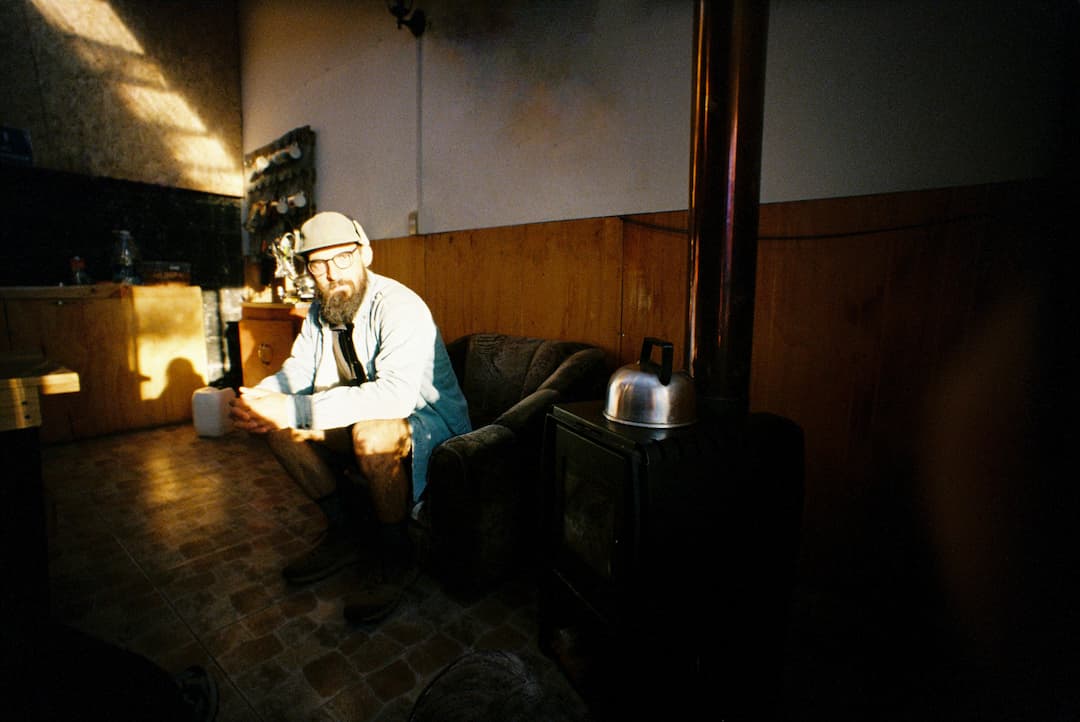
I really try to create those moments that will resonate with people, using videography as a tool to effect positive change. If my work inspires even just one person to get out into nature, enjoy their surroundings, and appreciate how amazing the outdoors is, that’s really all that matters to me. I want to capture the raw beauty and authenticity of life, those little moments that often go unnoticed but have the power to connect us with the world around us. It’s about creating a visual narrative that encourages others to see things from a new perspective and to value the simple yet profound experiences in life. For me, the driving force is the hope that my work can spark curiosity and evoke emotions.
If you could execute any idea — with no budget restraints or logistical limits — what would it be?
I would keep it simple and go on an amazing adventure with some of my closest friends. An expedition to somewhere remote like Alaska, Lapland, or New Zealand, capturing amazing content and stories. Ideally, this would involve some of my favorite adventure activities, like hiking or surfing, with people I love, who enjoy a good adventure and challenge. I’m also interested in gaining more experience in underwater photography and videography.
Do you have any hidden talents besides creating your wonderful work?
I’m not sure it’s a talent, but I am quite athletic and snowboard and skateboard pretty well. Growing up in the French Alps, the mountains were my favorite playground, and I used to snowboard every weekend. At one point, I was part of the French pre-national team for freestyle snowboarding. Skateboarding has always had a special place in my heart too. It’s a fun and diverse sport, and while I don’t spend as much time in skateparks as I used to, I still enjoy cruising around. I started surfing a couple of years ago, and although it’s a really hard sport, I enjoy it a lot.
How do you ensure that your work remains enjoyable and that you don’t burn out when creating new content?
I like switching between different types of cameras. Shooting film, Mini DV, or Super 8, I appreciate the simplicity and organic feel of these formats. Going back to basics can really push your technical knowledge in new ways and challenge you to think creatively. When you limit some technical capabilities, it forces you to explore different approaches and solutions, making the process more engaging and dynamic.
What is the one bit of advice you wish you had known from the start?
You don’t need to know everything. When I first started, I would worry before shoots about all the new variables and unknowns. It’s easy to feel overwhelmed thinking you need to have all the answers, but the truth is, you can’t be an expert on everything. The key is to be adaptable and open to learning as you go. If you’re willing to embrace the learning process, you can handle almost any situation that comes your way. It all comes down to having the right attitude—asking questions, staying curious, and being open to gaining knowledge from the people you meet along the way. Everyone has something to teach, and there’s always room to grow.
Creative blocks can happen to everybody; what works for you to get out of them?
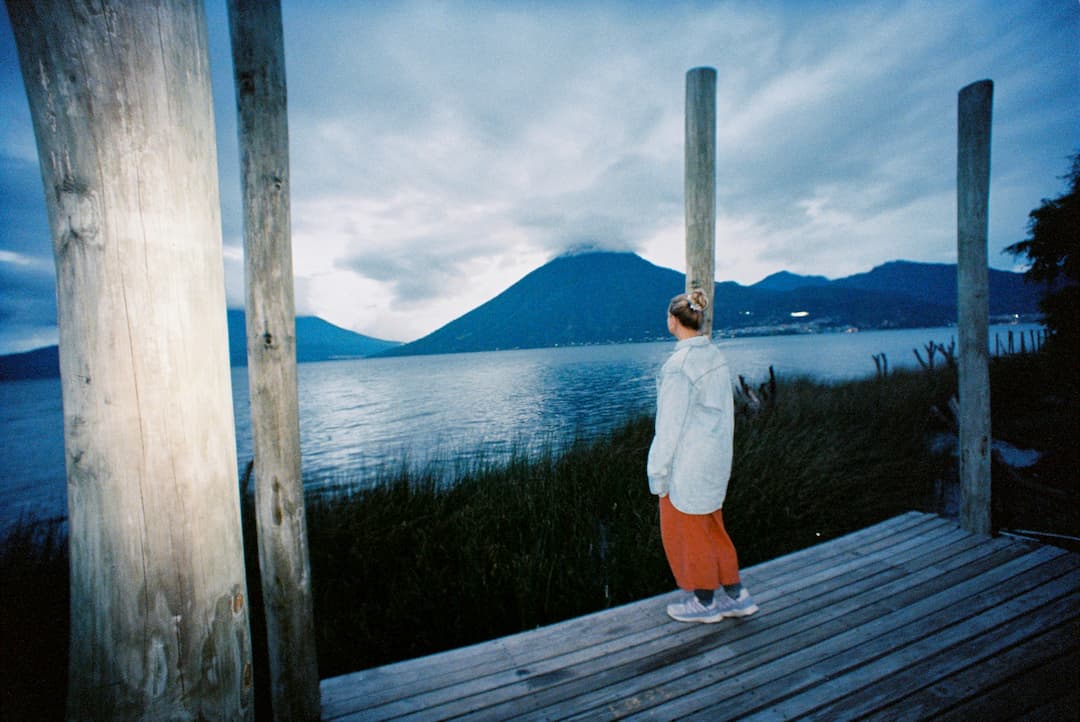
I try to spend time away from my desk or shoots regularly. Being in nature or observing the chaotic dynamics of big cities helps. I’ve been living in London for the past ten years, and the city’s energy can really fuel creativity. The fast pace, diverse culture, and constant movement can spark new ideas and perspectives.
Sometimes, I grab my skateboard and go for a quick cruise around the city. The simplicity and freedom of skating take my mind off things and help me clear my head. This break from routine allows me to come back with a fresh perspective and renewed creativity. On the other hand, spending time in nature provides a much-needed contrast. The tranquility and beauty of natural landscapes can be incredibly rejuvenating and offer a fresh source of inspiration. I aim to balance nature and city life, as both bring a lot of inspiration despite their differences.
Is there something that you cannot go without while creating new work? And why is this so important?
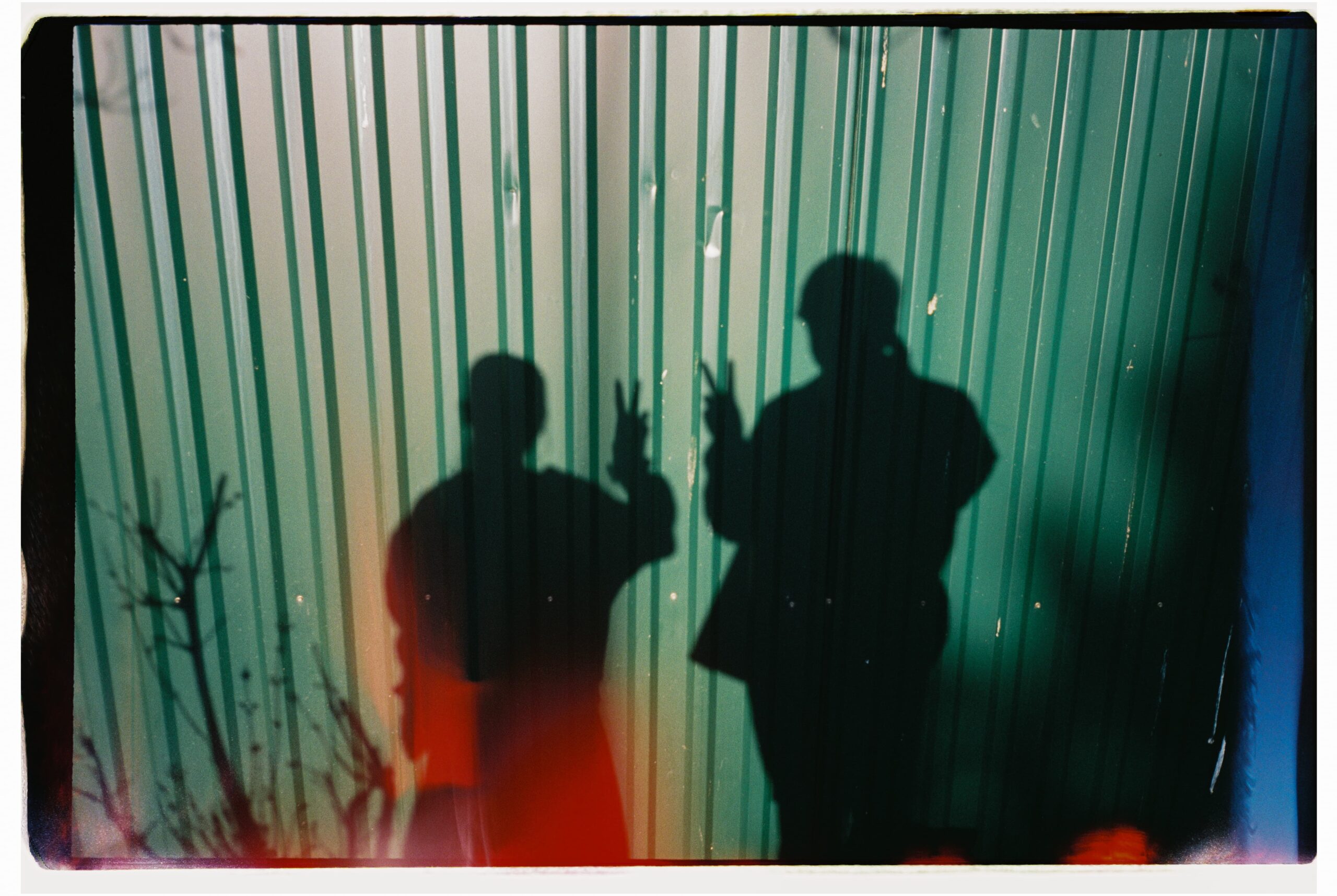
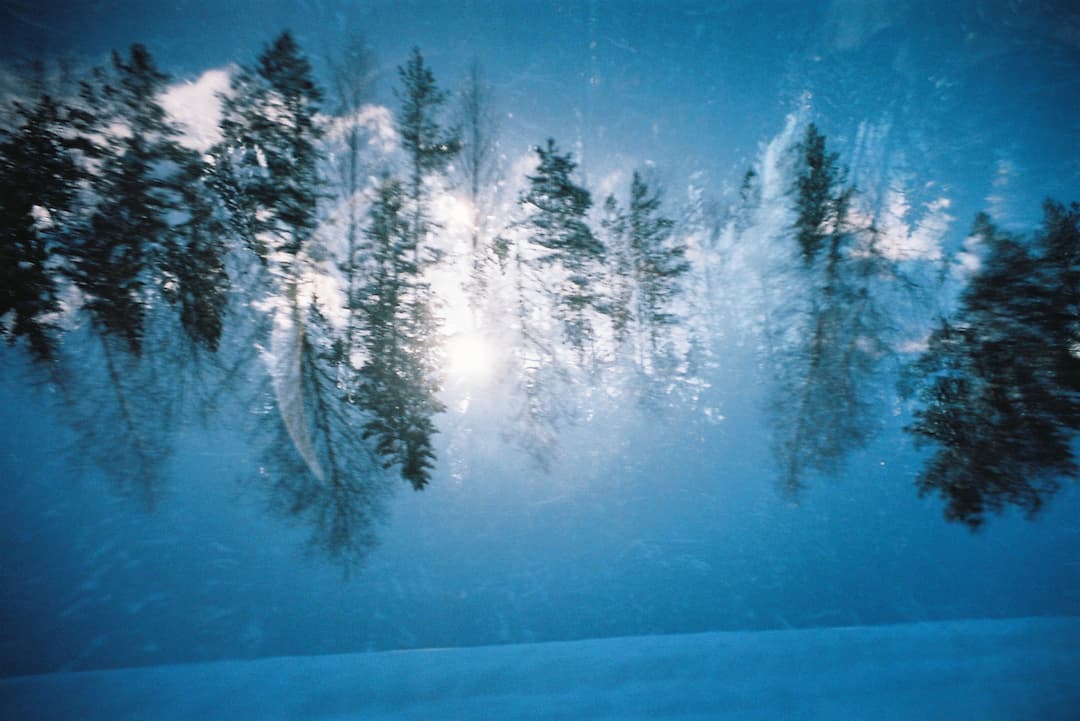
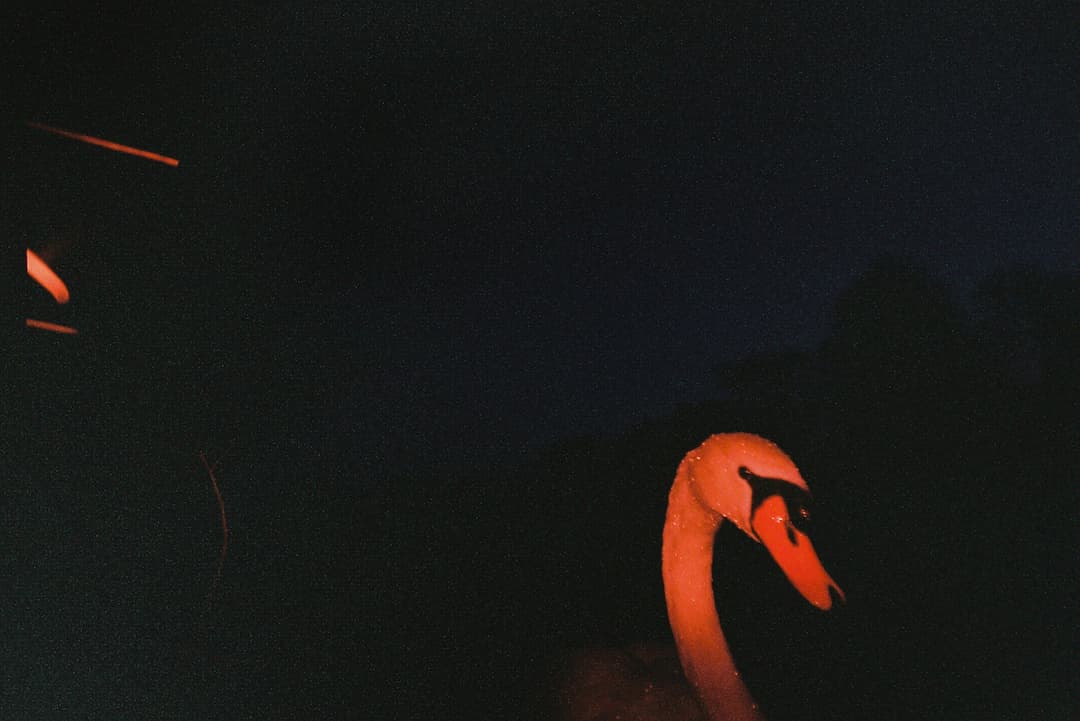
I always try to have a film camera with me. Although I rarely use it as my main camera, capturing a few 35mm shots is refreshing and adds another dimension to the shoot. I have a Lomo LC-Wide at the moment, and I love the wide-angle perspective it provides. It forces you to get closer to the action and pushes your angles to interesting limits.
Do you have any advice for contributors just starting out at Stocksy?
Don’t be afraid to try out your crazy ideas. While the final shot or edit matters, the creative journey is what truly counts. Stocksy is an amazing creative hub where you can share your work, get inspired, and inspire others worldwide, all while receiving support from the fantastic team if needed.