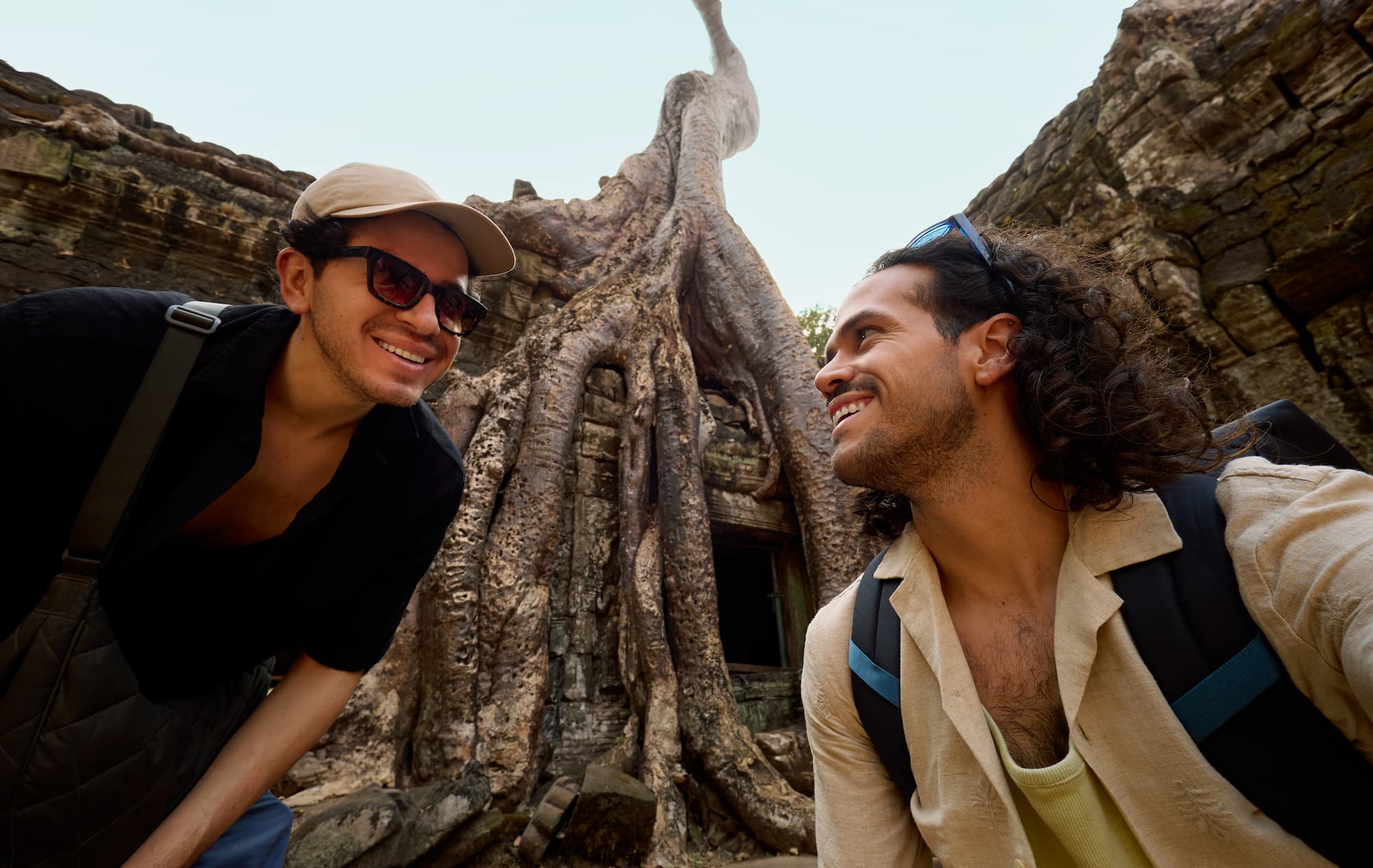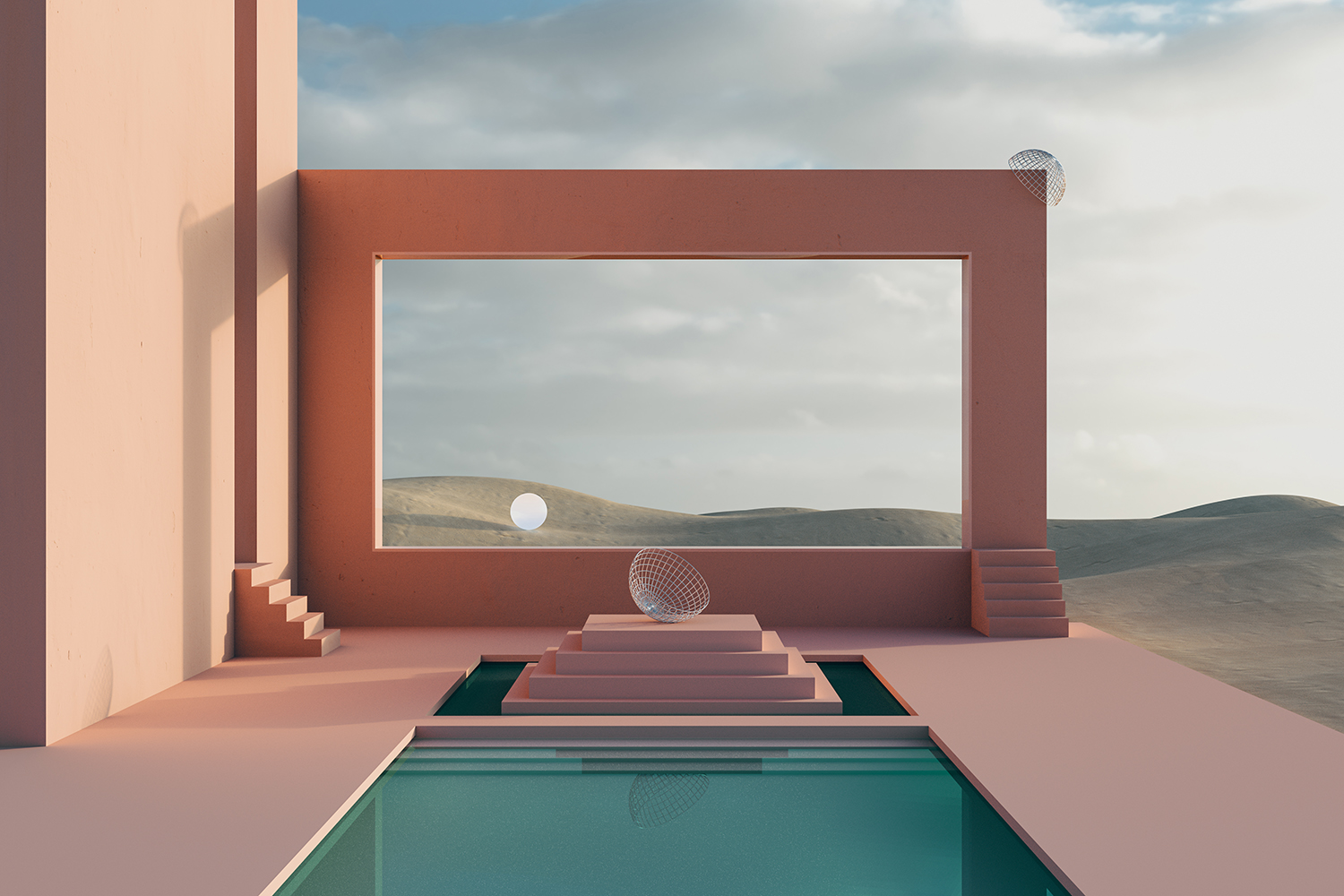
We’re excited to showcase Javier Pardina, a talented Stocksy artist whose career has evolved from macro photography to the limitless world of 3D art. With each new medium, Javier brings a fresh perspective, merging his eye for detail with a fascination for surreal, immersive environments. His work has attracted collaborations with leading brands, and he continues to push creative boundaries within the Stocksy collection. Read on as Javier shares insights into his artistic journey, his approach to innovation, and what inspires him to create.
You have been with Stocksy almost since the start. How did you get into stock photography and finally end up joining Stocksy?
Well, let’s start with the interview, regarding the first question: It’s a curious story, joining Stocksy was what led me to take stock photography seriously, let me explain: At that time, I was very focused on macro photography and had a fairly popular profile on Flickr. In addition, I collaborated as a wallpaper creator for the company Firefox OS. However, I combined all this passion with my full-time job, as a property manager, so photography was nothing more than a hobby from which I obtained some income, without any major expectations.
Everything changed when I heard about Stocksy. I applied in February 2013 and was accepted a few weeks later. At the time, I thought that Stocksy would be something like a mix of Flickr and Getty, but I had no idea what was to come.
I clearly remember my first sale in April 2013, and how in July of that same year I made my first big sale. I remember that when I saw those huge numbers for me, the first thing I did was write to Nuno, to confirm that the amount of money was not an error or some kind of bug (I think the website did not notify you of anything back then) and indeed it was not a bug, it was 2 product for resale licenses.
It was at that moment that my mentality changed completely and I began to see stock photography as a real profession. I remember attending what I think was the first meetup in Toronto, in November 2013. There I had the opportunity to meet my first Stocksy colleagues in person. There are so many anecdotes from that experience, including dinner with my great friend Cameron and Nuno, which was a real boost of motivation. From that moment on, I began to hone my technique in macro photography, exploring new horizons and gradually delving into social and commercial photography.
Two years later, in 2015, I decided to leave my job as a property manager to dedicate myself 100% to Stocksy and commercial photography in general.
Today, as I write these words, I look back with emotion. Almost ten years later, in 2024, I still think it was one of the best decisions of my life on a professional level. I feel very lucky to be part of this agency, and to follow this exciting path.
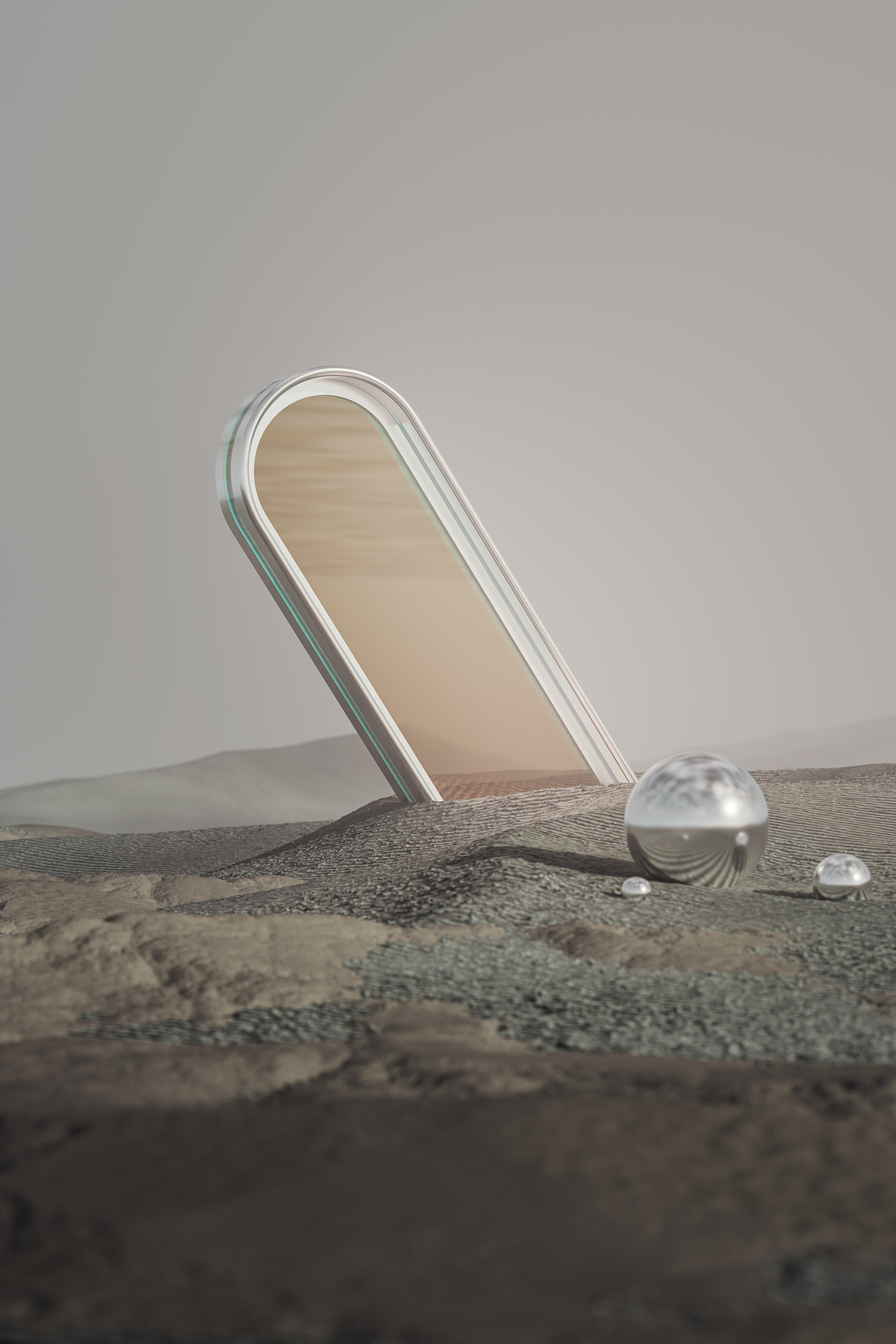
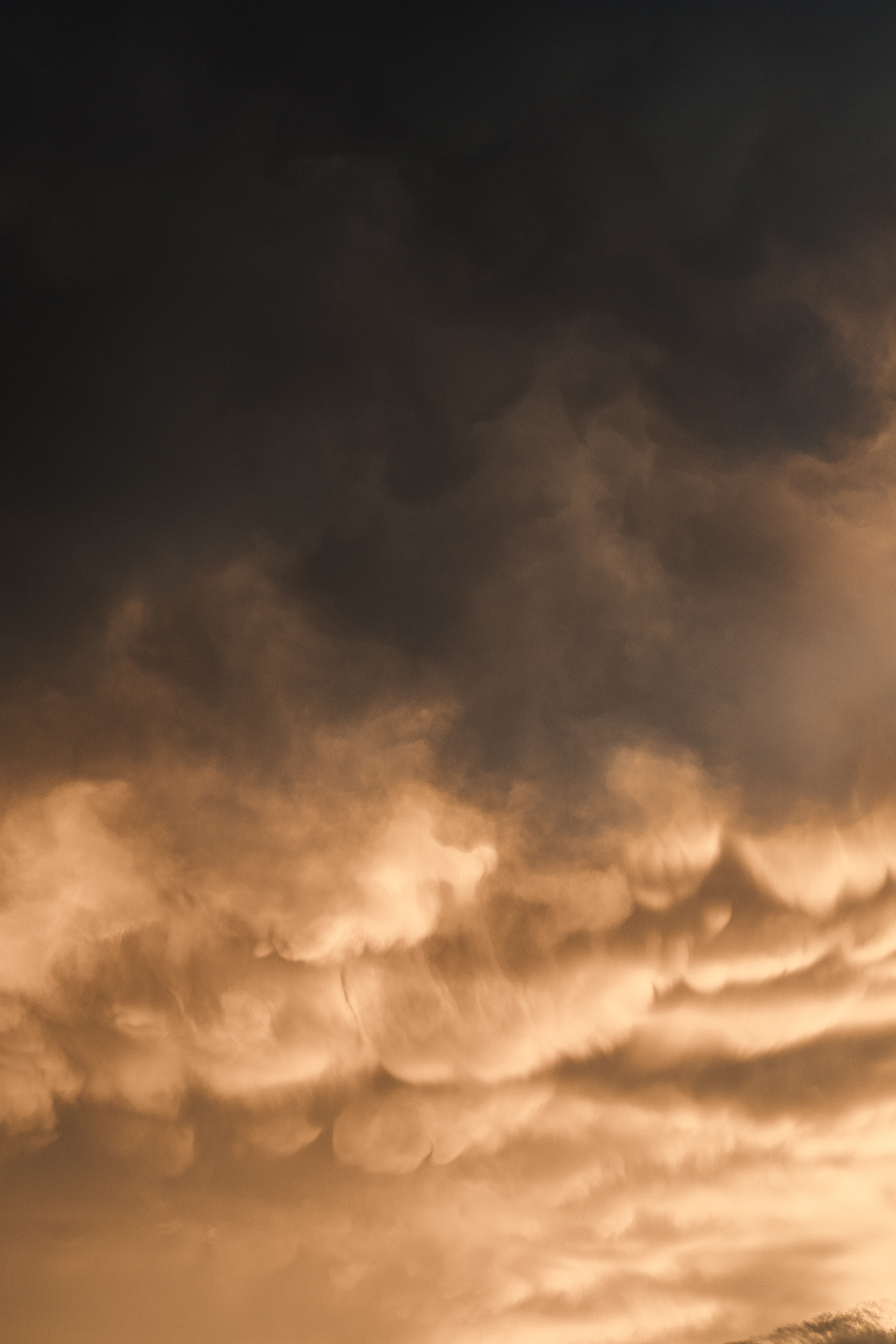
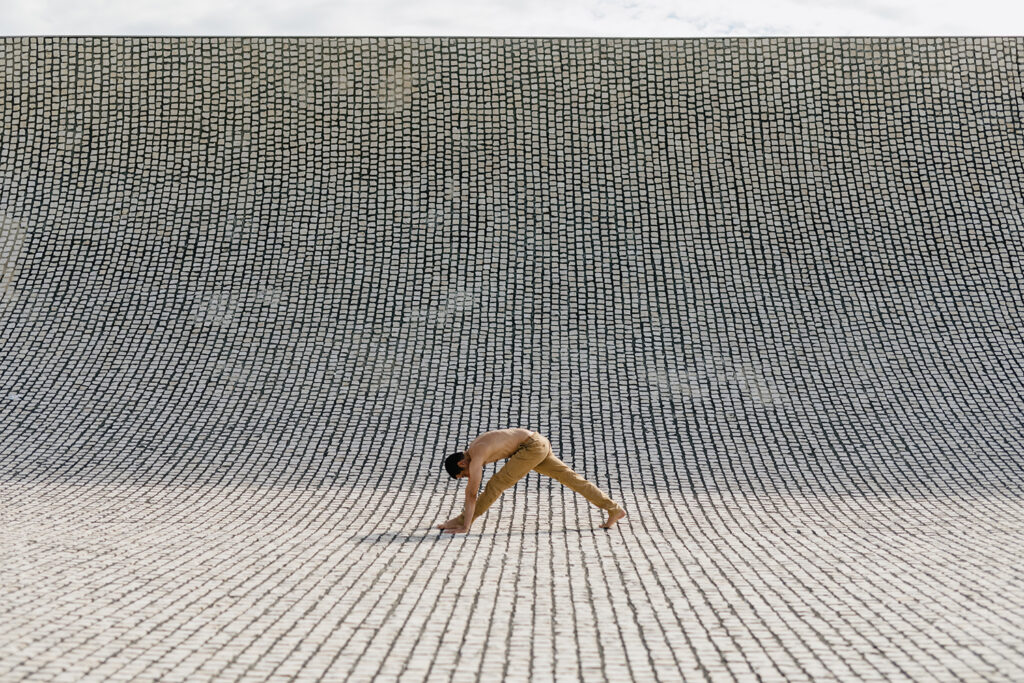
In your more recent years on Stocksy, you have done a deep dive into the world of 3D renders. What initially drew you to explore this new skill and how do you make sure you keep evolving?
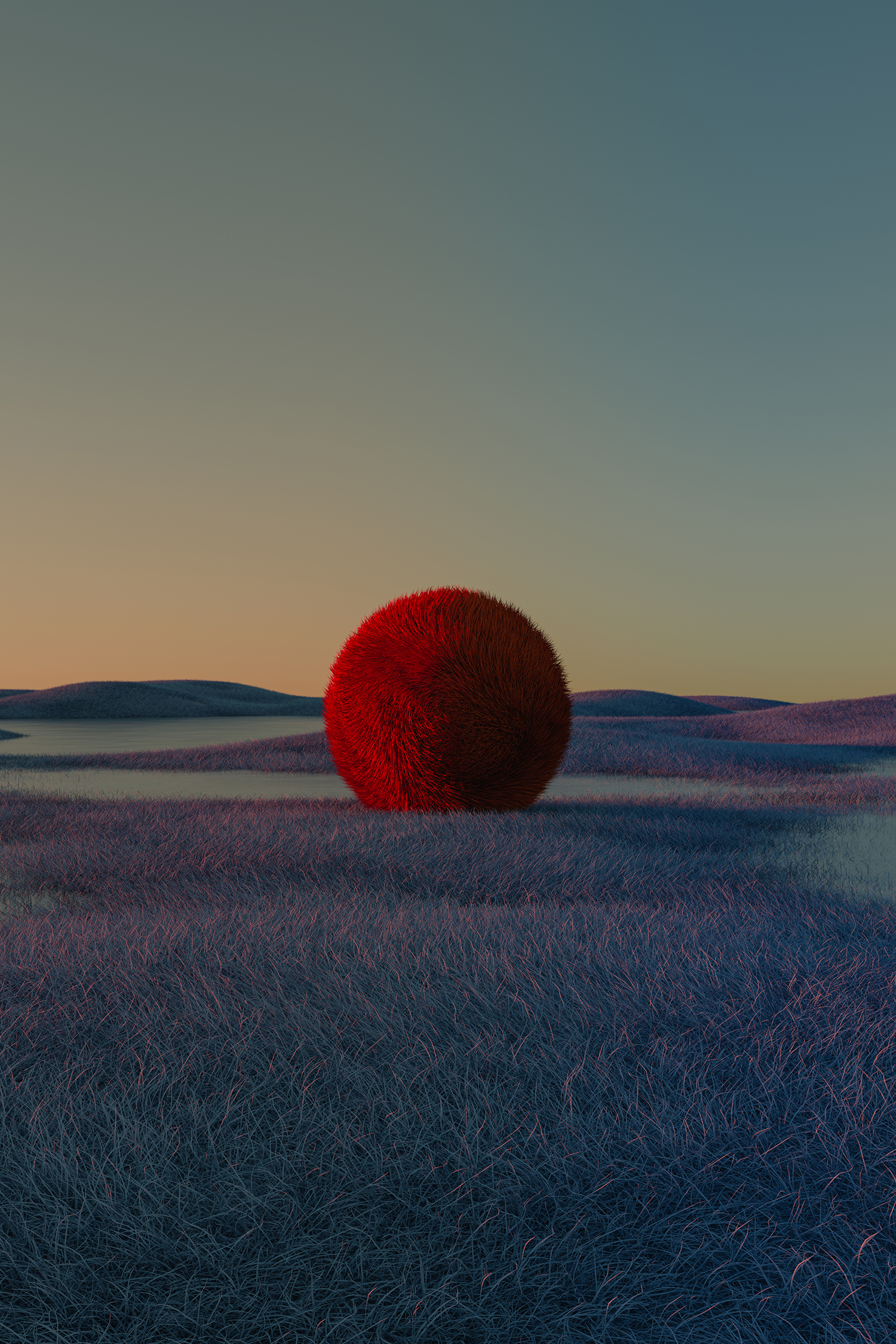
3D has definitely been the second big change in my professional life. It all started during the COVID-19 pandemic, specifically during lockdown. I took advantage of that time to refresh my limited knowledge of 3D that I had studied in the past, and I was surprised to see how much it had evolved. The level of realism that could be achieved was much higher compared to the last time I had tried it. That’s when I immersed myself in environment design, almost obsessively.
Thanks to my experience as a photographer, I had a clear advantage: I just needed to create the scene I imagined, and then “photograph” it as if I were there in person. I soon realized that what I was doing had potential.
I decided to submit my work to Stocksy to see if it could have a commercial outlet. Five years later, 3D is the only thing I do. I have left photography (at least for now) to focus entirely on this digital world.
The response has been incredible, not just on Stocksy, but on a commercial level as well. 3D has allowed me to meet many new people and collaborate with major studios that I would never have imagined working with as a photographer. For example, a few months ago, I was involved in the latest Coach campaign, and just last month, I finished a project with the Audi car brand, which should be launched globally before the end of the year.
Today, I am constantly evolving, although I honestly don’t know where this path will take me. My day-to-day consists of working and working on the various projects that come to me as a freelancer. When I am lucky enough to find some free time, I try to create new work and explore ideas for Stocksy. Although lately that is difficult, since commercial demand has grown so much, and some months I can’t even upload new content here.
It can seem daunting to start with renders. Which software? What techniques to learn? Do you need all the most expensive gear? Do you have any advice for people who want to start exploring creating 3D content?
As for the interesting world of 3D software, I have always worked with Cinema 4D. In recent years I have had the opportunity to try two rendering engines: Arnold and Redshift. I finally settled on Redshift, mainly because of its smooth integration and, in my opinion, because it is the most widely used software for commercial projects. It offers an excellent balance between image quality and hardware requirements.
Regarding hardware, it is true that you always need the latest, which is often expensive and sometimes risky. But it is worth it! Nowadays, rendering jobs are very well paid, allowing you to keep up with the most advanced hardware. Although there are cloud services for rendering remotely, I have always preferred to have everything at home, controlling the entire process.
Regarding the second question, I think yes, as in any other field, it is essential to start by “playing” and enjoying the process. If you start without these two attitudes, you will probably end up giving up. The world of 3D can be quite lonely and requires many hours in front of the computer. It can be exhausting at times, almost like going crazy. That’s why my advice is to take it easy and enjoy it as much as possible, because in the end everything flows. Although it may seem difficult at first, the learning curve becomes much more manageable over time.
Whenever we speak, you are busy working on your Stocksy portfolio and client work. Can you share how you balance the two and how the two worlds can support each other?
I would love to share it, but I honestly don’t think I’m the best example. I’m a mess when it comes to organization, always jumping from one thing to another. Everything happens so fast that I can barely manage to structure it. But, to be honest, this chaotic style of handling everything works for me. And not only that, I enjoy it! Although I still don’t fully understand how I do it, to be honest.
As for support, I can answer better here. It’s an excellent question. With each assigned/commercial project you learn something new, and I apply those lessons later in more depth when I create content for Stocksy. Then, I promote it on Behance, which attracts the attention of new clients and generates more demand. It’s like a continuous cycle, everything “feeds back” and that fascinates me. It allows me to enjoy my work as a 3D freelancer and content creator for Stocksy even more.
As you are creating everything from scratch, the possibilities are endless. We would love to hear more about where you find your inspiration and how you go from an idea to a finalized render.
The hardest part is deciding what to create. Just like in a photo shoot, which is also complex, but once you have the scene, you have reality at your fingertips to capture the best angle, here you start from scratch, from nothing. That is the biggest challenge, both when creating for Stocksy and when finishing a commercial project. But in the end, everything connects and you end up achieving something spectacular.
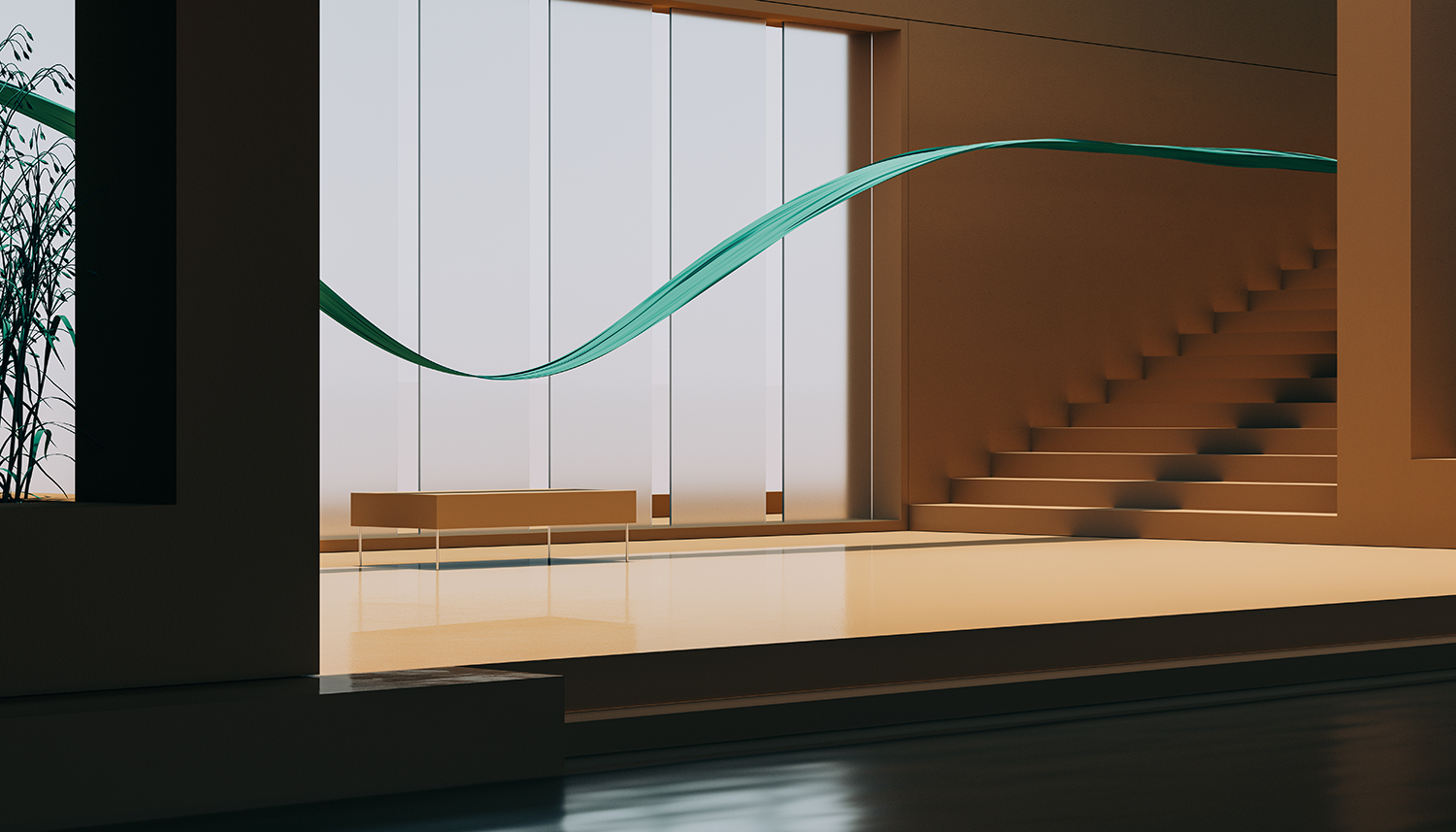
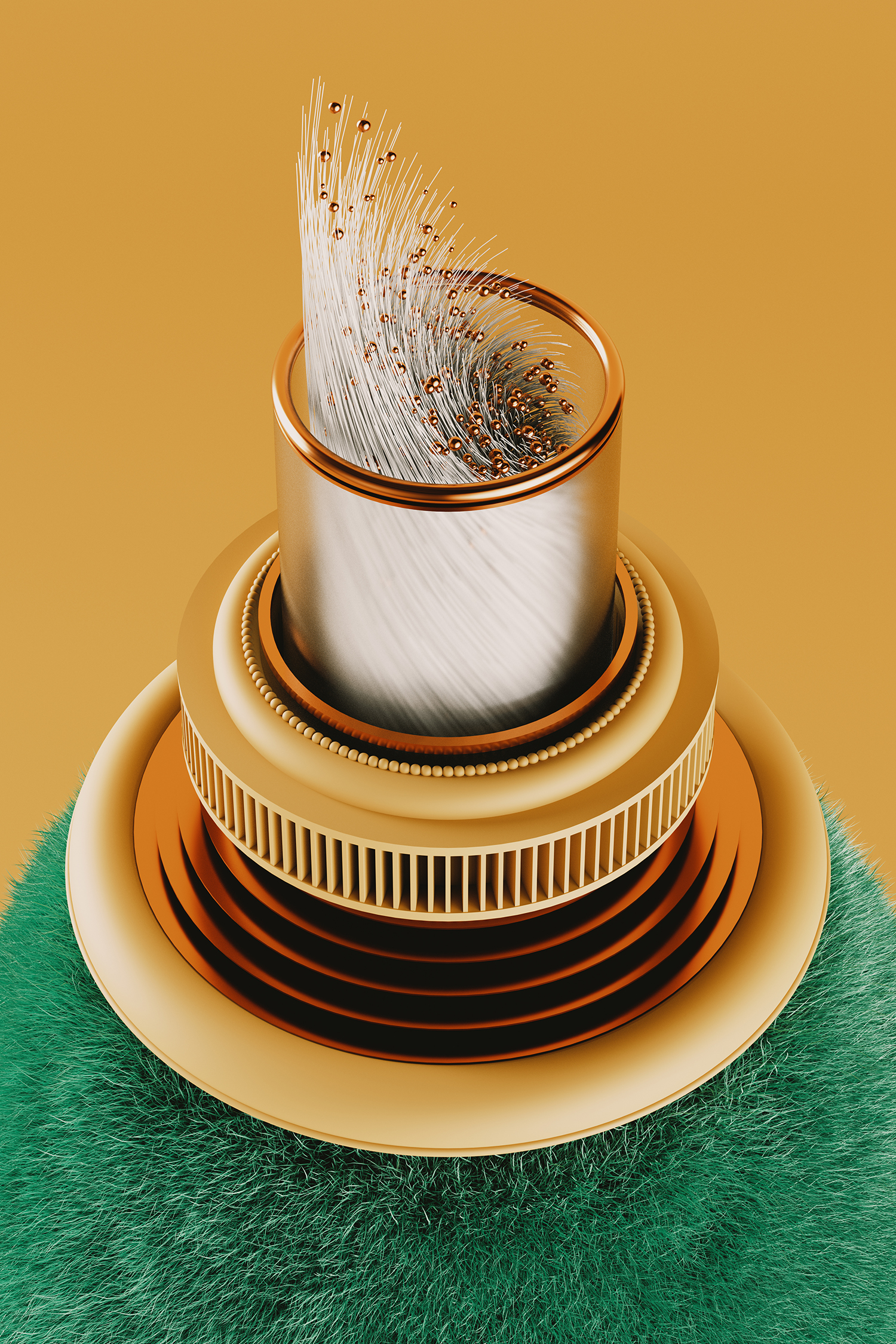
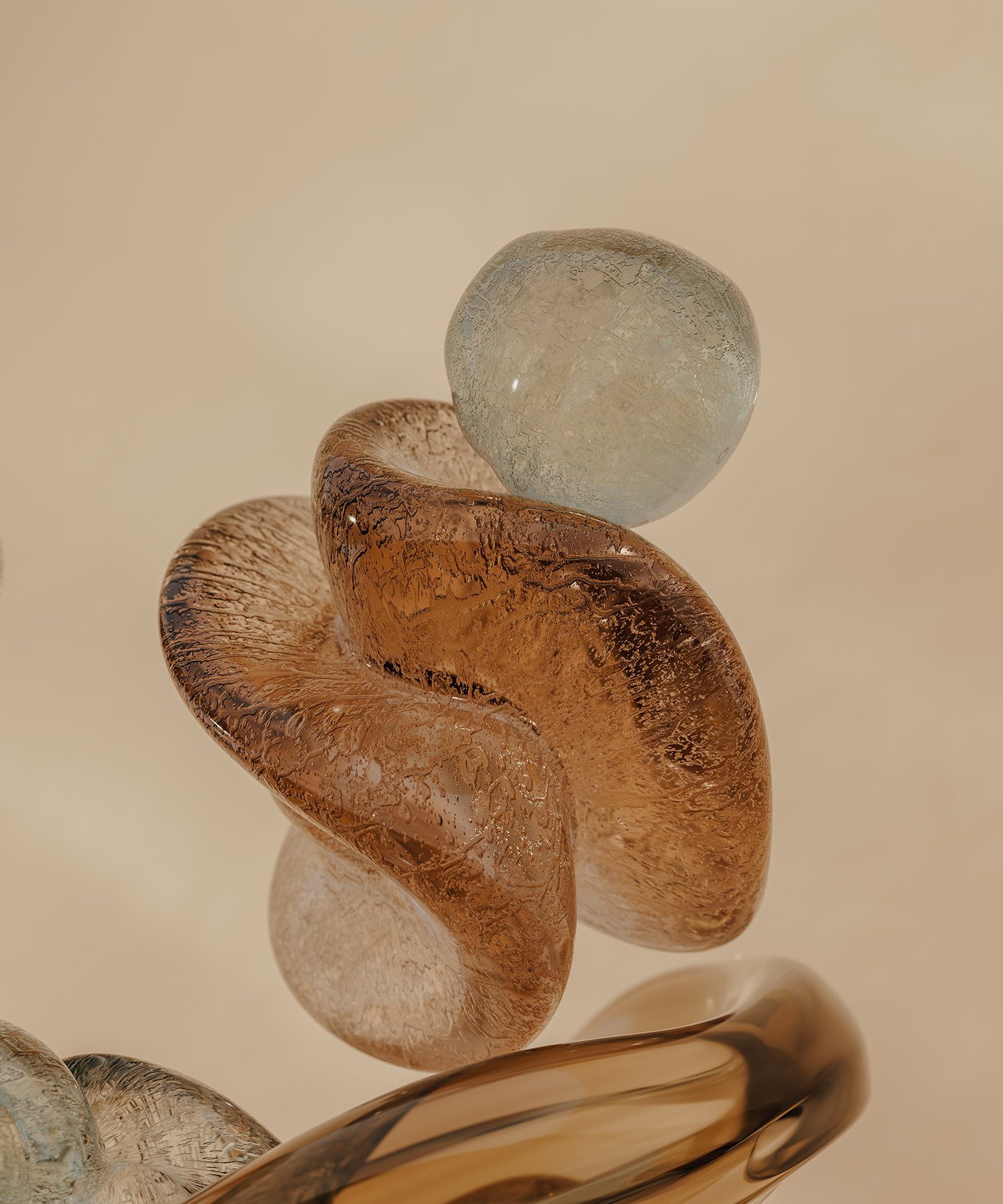
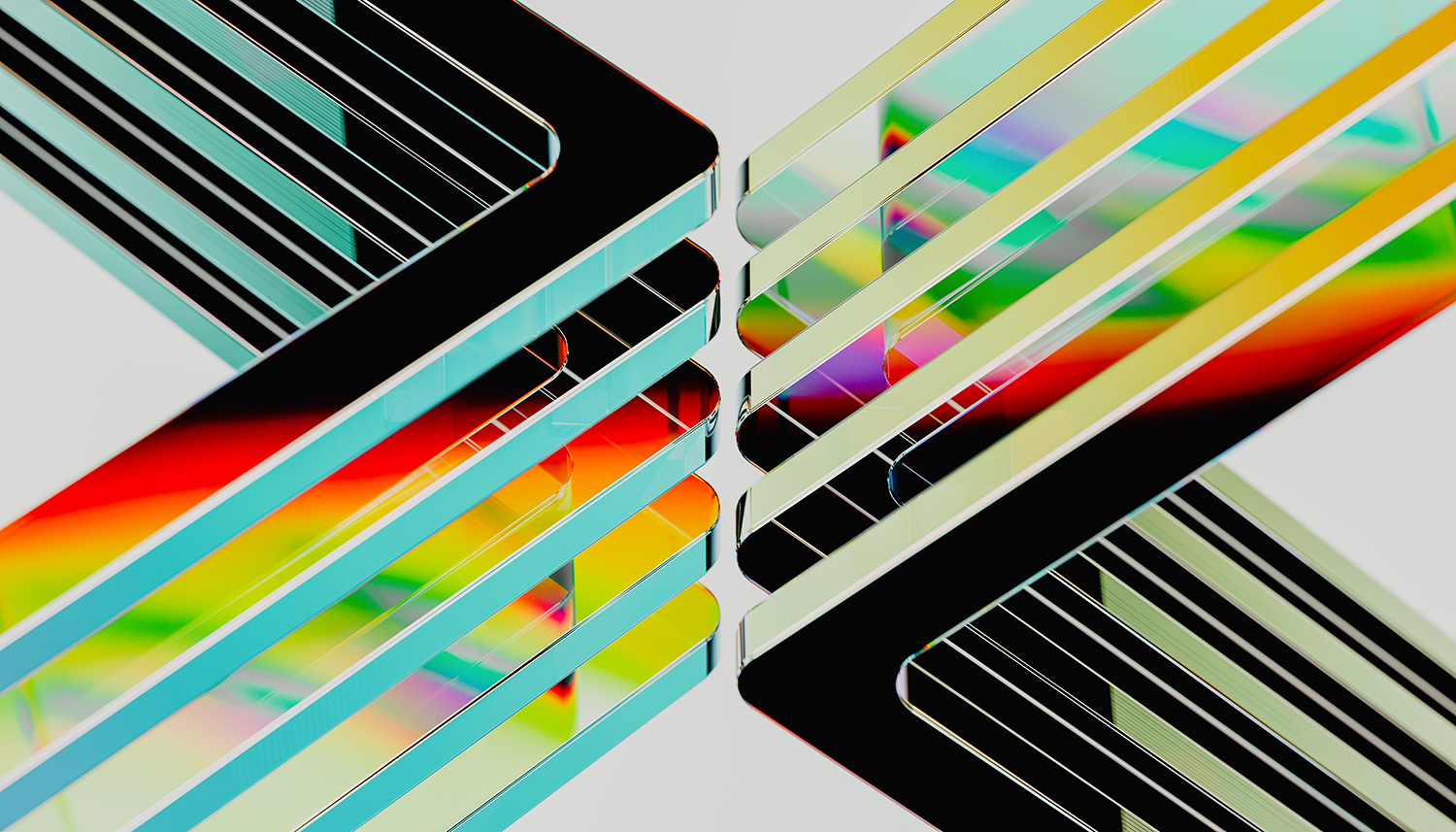
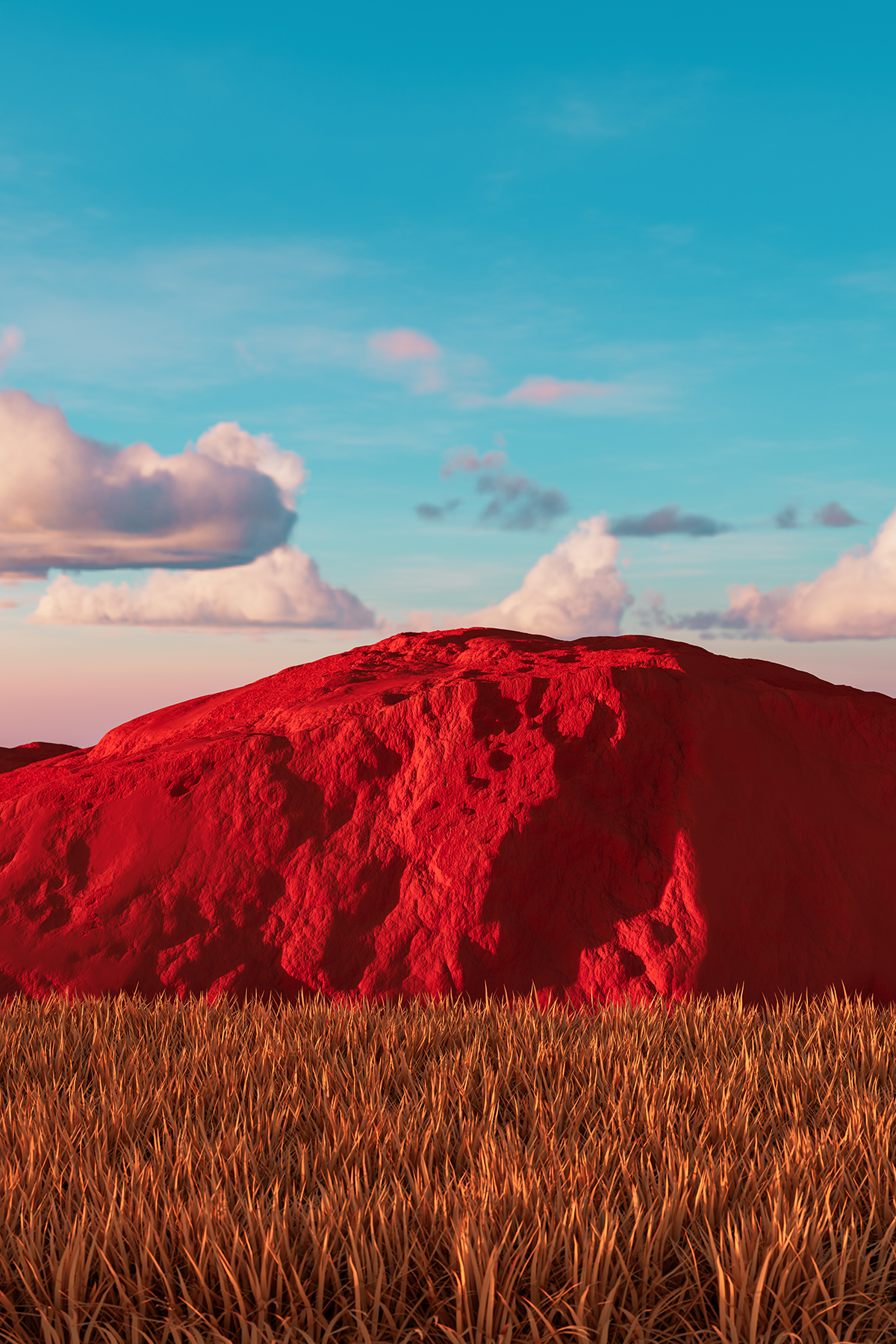
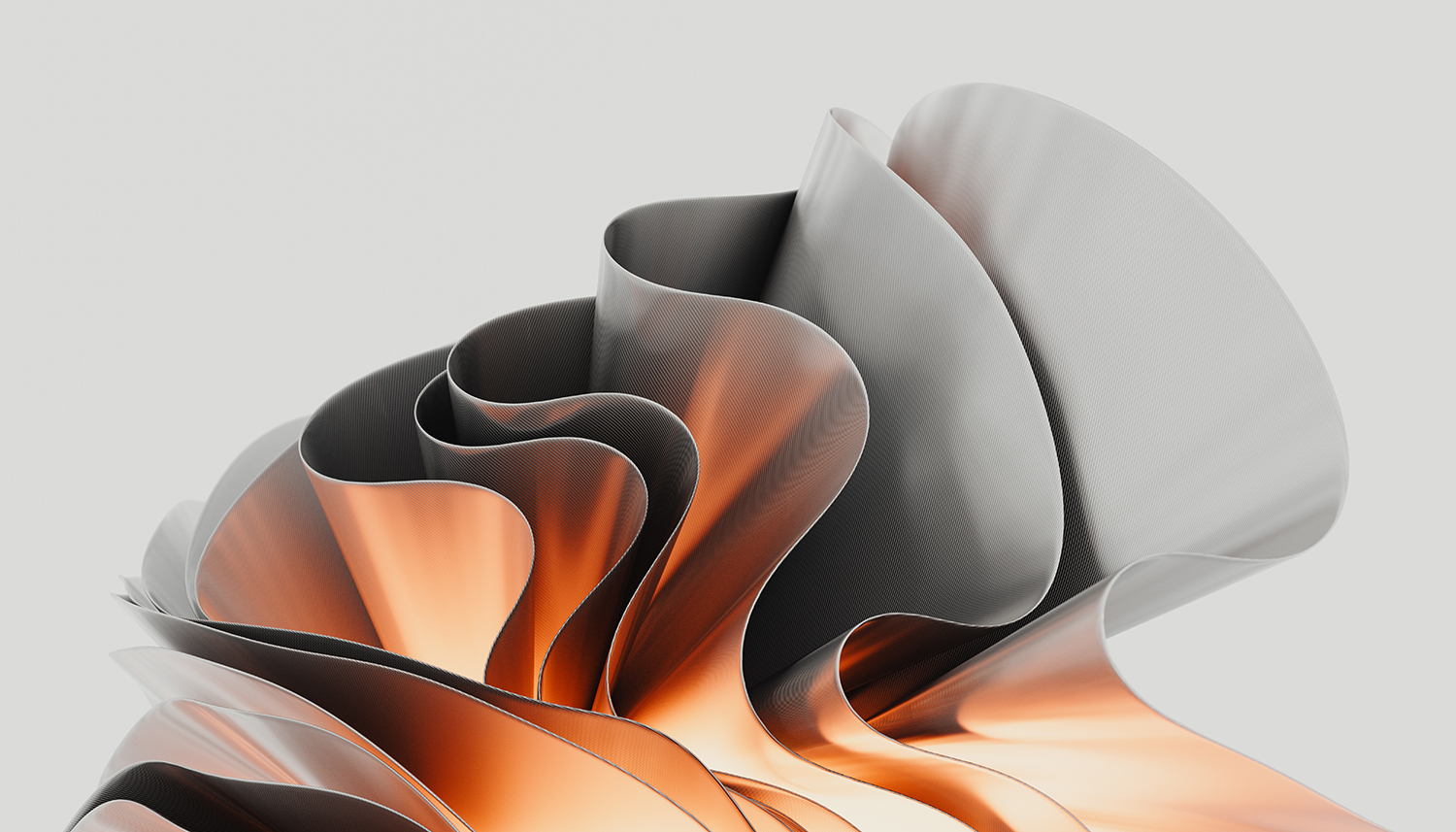
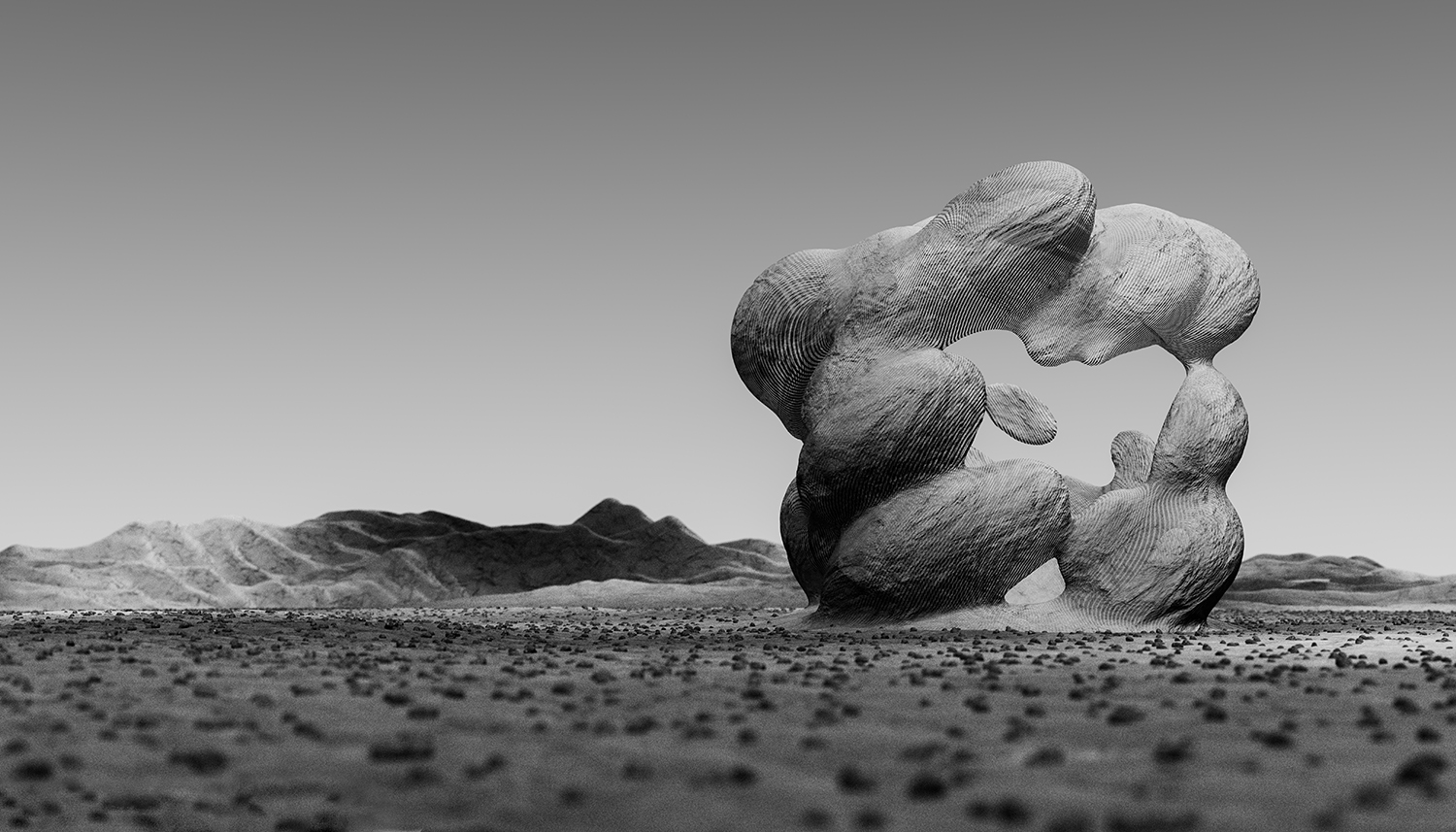
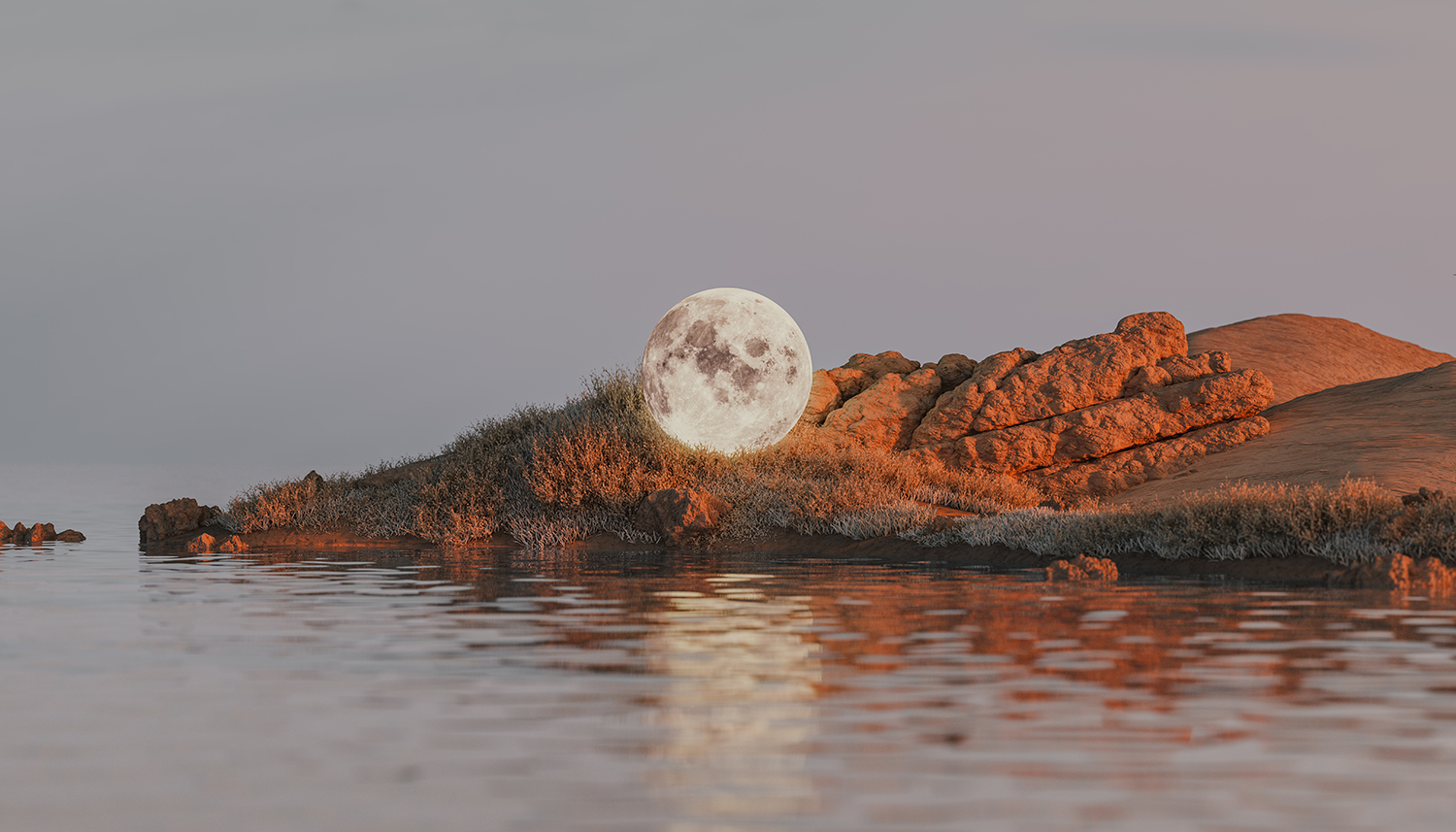
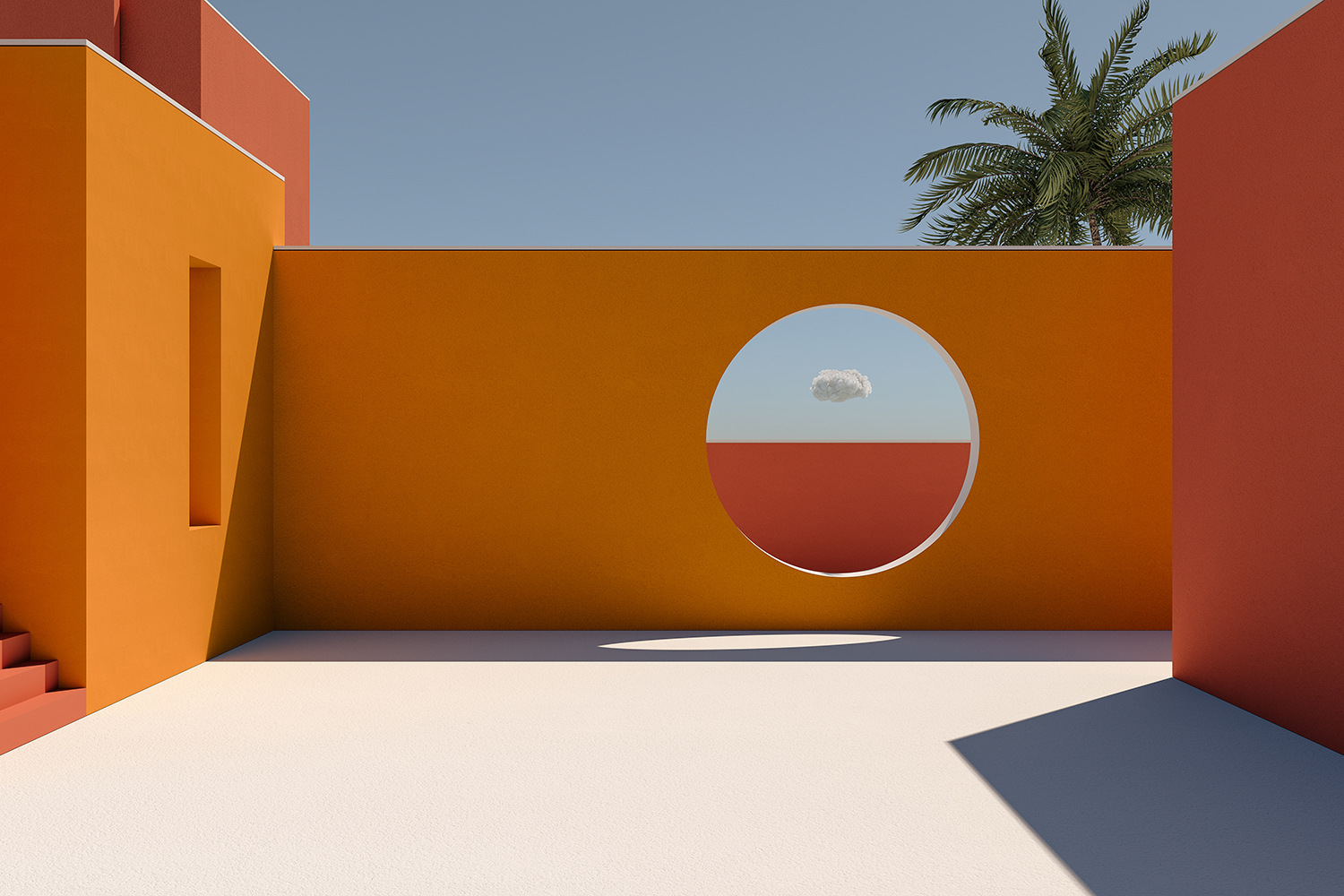
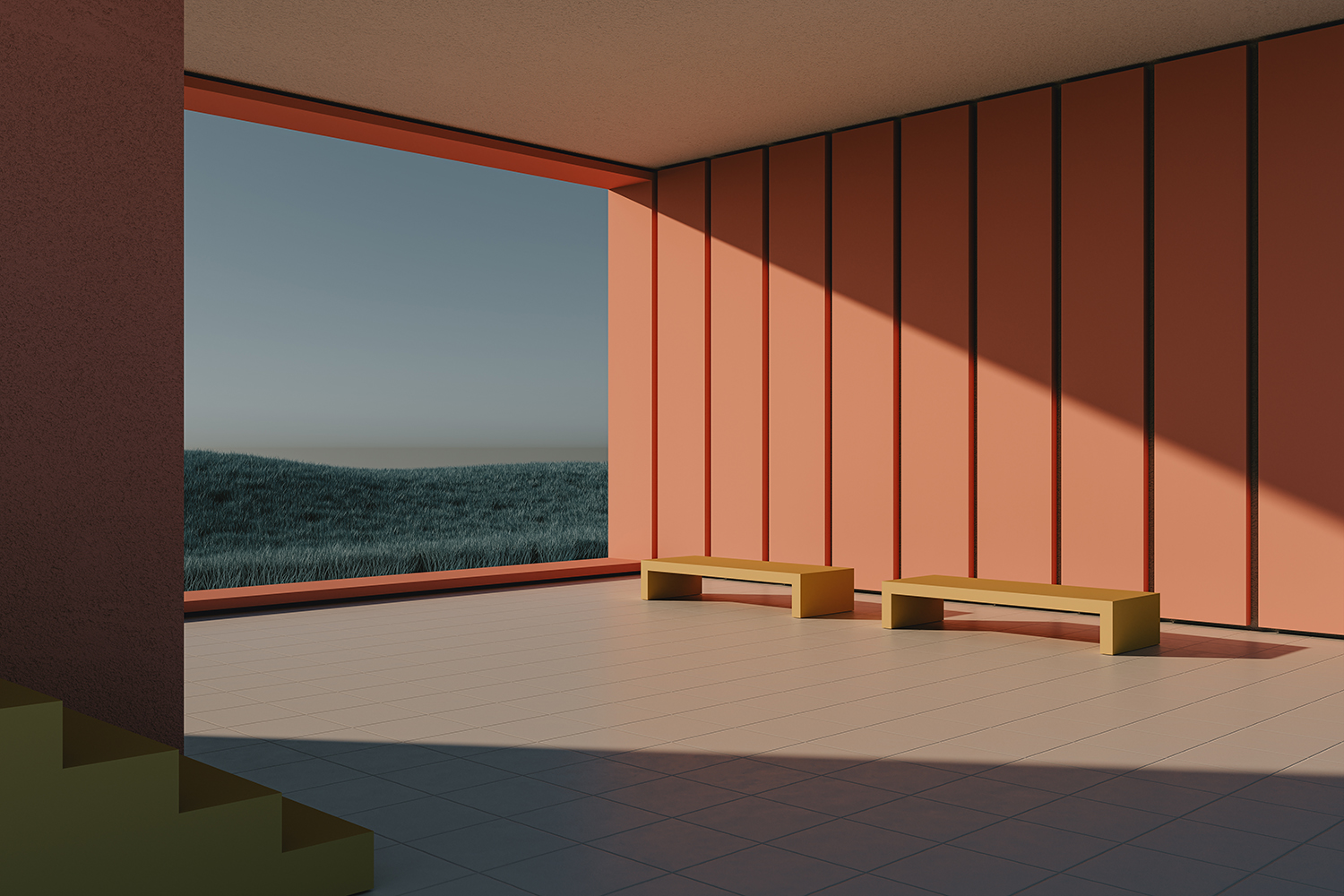
For stock content, I usually focus on various themes: surreal architecture, microchip manufacturing, physical simulations such as particles and fabrics, landscapes and abstract concepts. There is always something new to explore or improve.
Also, for a year now I have been living surrounded by nature, in my new studio/home full of computers, music and tranquility. And with all that, in the end, creativity flows easily.
Do you have any goals or plans that you are excited about?
Right now, one of my professional goals is to follow a clearer, more linear direction. As a freelancer, I do everything, but I would like to specialize in just one creative field, whether it be creating surreal spaces or designing wallpapers. Lately and fortunately, I have received many offers to work full-time as a 3D creator in various tech companies, which will probably be my next big challenge. However, I am in no hurry to make that decision. For now, my focus is on creating, creating, creating. Developing new content and continuing to enjoy this exciting professional adventure.
What is your motivation/driving force to create your work?
My biggest motivation is day to day, knowing that I am working on something so creative and free that it allows me to enjoy life in a unique way. I never tire of repeating it: working at Stocksy is the best job I could have ever imagined. Getting up every day and asking myself what sales I will have today? 0? 1? 10? It doesn’t matter what the answer is, this situation is a real luxury. Thanks to Stocksy, your work is open/available to the world. That anticipation/connection gives me the energy needed to continue moving forward and evolving, both professionally and personally.
Also, I like to think that everything I create artistically/freely can be acquired by a client and used in their project or work. That feeling of contributing and being part of something bigger makes me feel very alive, and that energy drives me almost to infinity.
If you could execute any idea — with no budget restraints or logistical limits — what would it be?
It’s a difficult question to answer, as there are many things I would like to do, some more successful than others. But realistically, I think that in the future I would settle for creating a training centre specialising in 3D, photography, video or even artificial intelligence, in a quiet environment away from the hustle and bustle of big cities. It would be like a rural ‘Silicon Valley’, focused on visual technologies and advertising. That would be wonderful, almost a dream come true.
Do you have any hidden talents besides creating your wonderful work?
Thanks for the compliment, but I really wouldn’t know how to do anything else other than what I do now. I’m pretty clumsy in other areas. The only thing I’m really good at is 3D and macro photography; in everything else, I’m not very good, I’m rather a disaster.
How do you ensure that your work remains enjoyable and that you don’t burn out when creating new content?
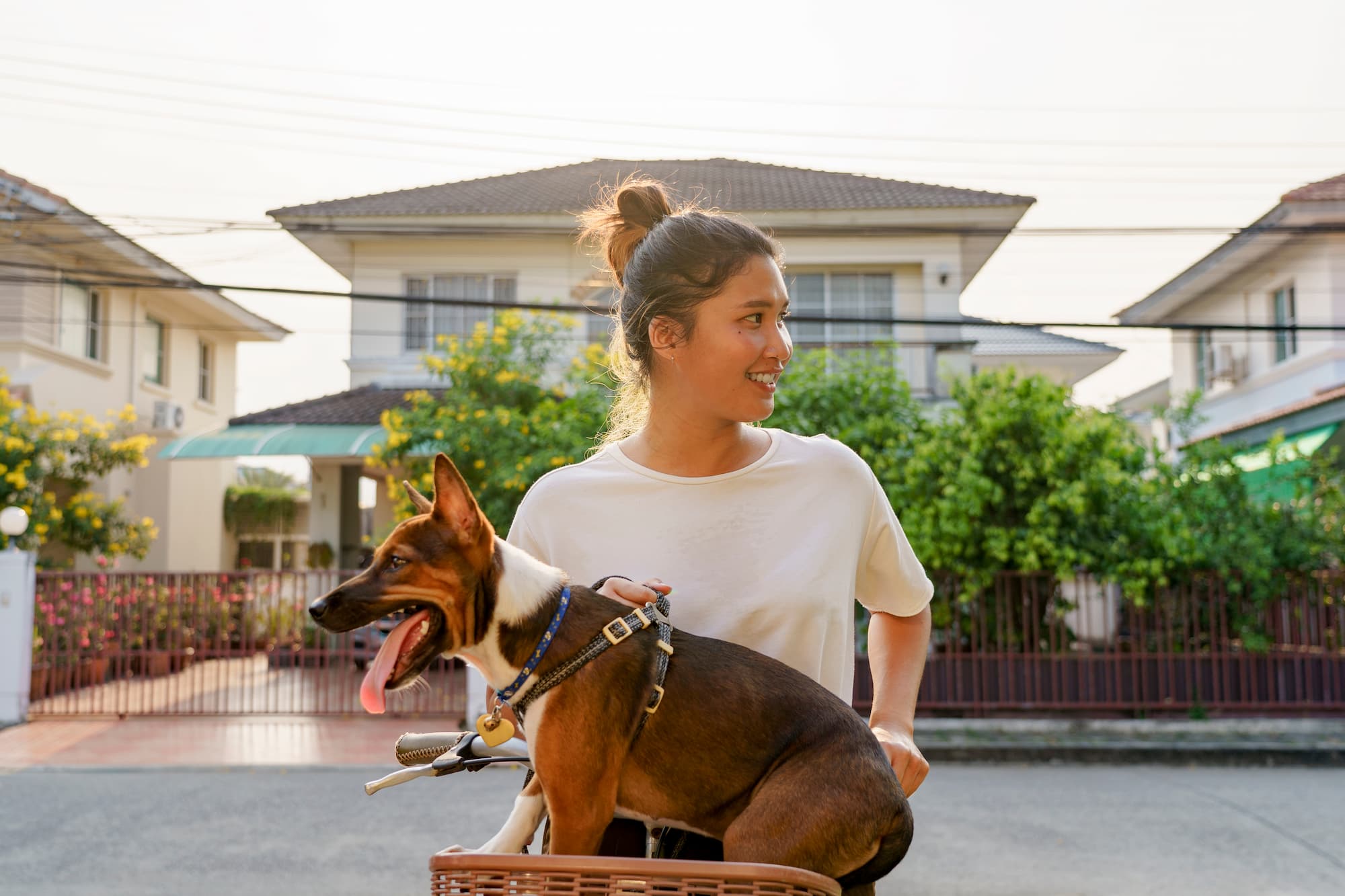
I always end up exhausted. That’s the hardest thing about 3D: it strains you mentally. It may sound exaggerated, but the overload is really felt. As I mentioned before, my trick, or rather, my salvation, is to live surrounded by nature. I often stop what I’m doing and go for a walk with my dog, a short bike ride, or at this time of year, to pick mushrooms near home, without even having to drive. For me, being in contact with nature is key to then being able to give it my all in front of the computer.
The only thing I don’t like about 3D is how exhausting it can be. In stock photography you move around more, you meet people and it’s a much more sociable job.
On the other hand, as a freelance 3D, although you are also in contact with people, it is almost always virtual, with many meetings. There are also many moments when you only see the screen and the hardware. Concentration has to be maximum, because everything is numbers and values; There are so many parameters to control that, at least for me, it can sometimes be an uphill battle.
Even so, I always end up with a smile. And that is what drives me to keep going, exploring new ideas and creating more digital content.
What is the one bit of advice you wish you had known from the start?
I’m sorry I can’t answer this question precisely. I could say many and none at the same time. I don’t usually spend time thinking about the past; I got to this point for a reason, even if I don’t fully understand it. What helps me personally is believing that we all have our own path, and the only advice I can offer is to follow what your heart tells you. I believe there is no other way to achieve both personal and professional goals.
Creative blocks can happen to everybody; what works for you to get out of them?
As I mentioned before, what helps me the most is nature. But also sometimes driving, which I really like, even if it’s just a few miles from home. These are things that allow me to disconnect quite a bit. I would also include doing some DIY work at home, which is also fantastic for clearing the mind and making room for new ideas or solutions! In general, that’s what works best for me to unblock situations when I feel stuck.
For example, I recently worked on a project of 51 office furniture renders, where I had more blocks than usual. It wasn’t a particularly difficult project, but its magnitude intimidated me. The best way I found to successfully complete it was to alternate the creative process with chopping wood for the winter. It sounds strange, but it worked.
And I forgot to mention something very obvious, and that is that sport also plays a fundamental role for those of us who work in front of a computer. Maintaining the balance between body and mind is crucial, otherwise both can betray us.
Is there something that you can not go without while creating new work? And why is this so important?
Music and coffee. Without them, I am nothing; I need them constantly to work. Music helps me enormously to think and connect with the brief or the main idea, it even pushes me to go further.
It is fundamental because that connection I achieve through music elevates my creativity, or at least my emphasis on continuing to explore and try until I reach the result that I consider optimal for my portfolio.
Do you have any advice for contributors just starting out at Stocksy?
Yes, I think I have it figured out, but please don’t take this as a definitive formula. What worked for me won’t necessarily work for everyone, but honestly, you know that the most important thing is to be yourself and ask yourself: what can I bring that’s unique to the Stocksy collection?
There’s no need to stress or worry about sales, or make excuses. The key is to create authentically. I know this isn’t easy, but whether it’s with photos, videos, renders or illustrations, the trick is always the same: create and learn, learn and create, and keep going as long as you have the strength to.
A fundamental aspect for me is to follow the briefs that Stocksy provides us, they are a valuable guide. However, my advice is not to stop there, go a step further. Try to take the work to your own ground, whether in terms of locations, colors, characters or scenes. Use what you have at hand or what inspires the most confidence; This way, your work will be more authentic and original, which will undoubtedly help you stand out.
At this point, I want to thank you for taking the time to read this interview. I hope you enjoyed it as much as I did answering. I would also like to highlight the incredible visual quality that Stocksy contributors are contributing. We are at the highest point in these almost 11 years of journey, and I have never seen such extraordinary material or such talented contributors. This also motivates me to continue striving every day.
I sincerely thank the entire Stocksy United team for giving me this opportunity. It has been very gratifying to stop the routine to reflect and answer these interesting questions in a sincere and authentic way. In addition, I greatly appreciate the great work that you do day after day. I can only toast to all of you and wish you lots of creativity, many sales and, above all, great times. Thank you and enjoy your day!
See more from Javier Pardina